AEM 400 LPH Universal High Flow Inline Fuel Pump
- Supports Up to 1200 HP NA & 860 HP Boosted
- Inline Design Makes it Widely Compatible
- Compatible with All Fuel Types
- Designed for High Output NA or Forced Induction
- Description
- Vehicle Fitment
- Technical Data
- Included
- Install Guide
-
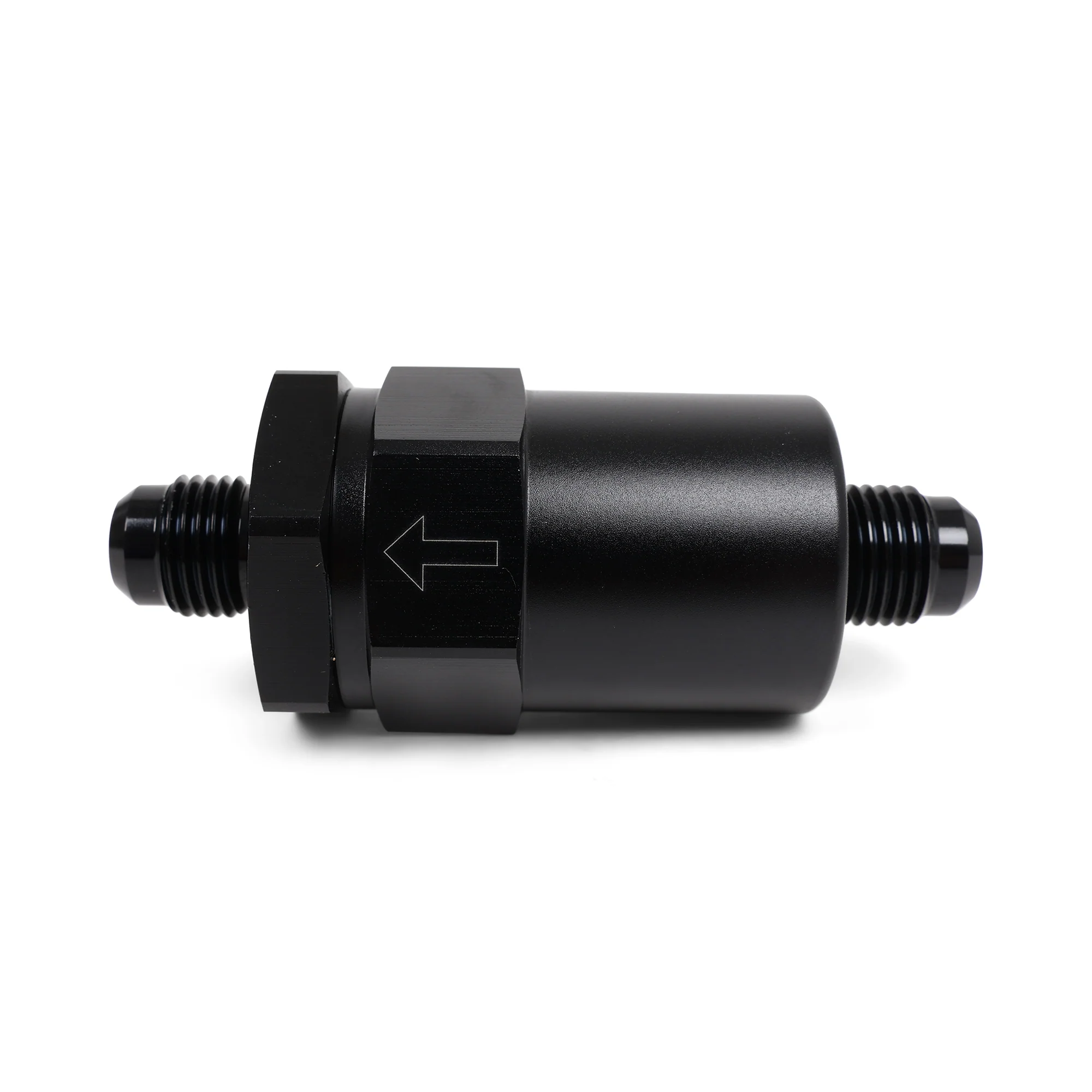
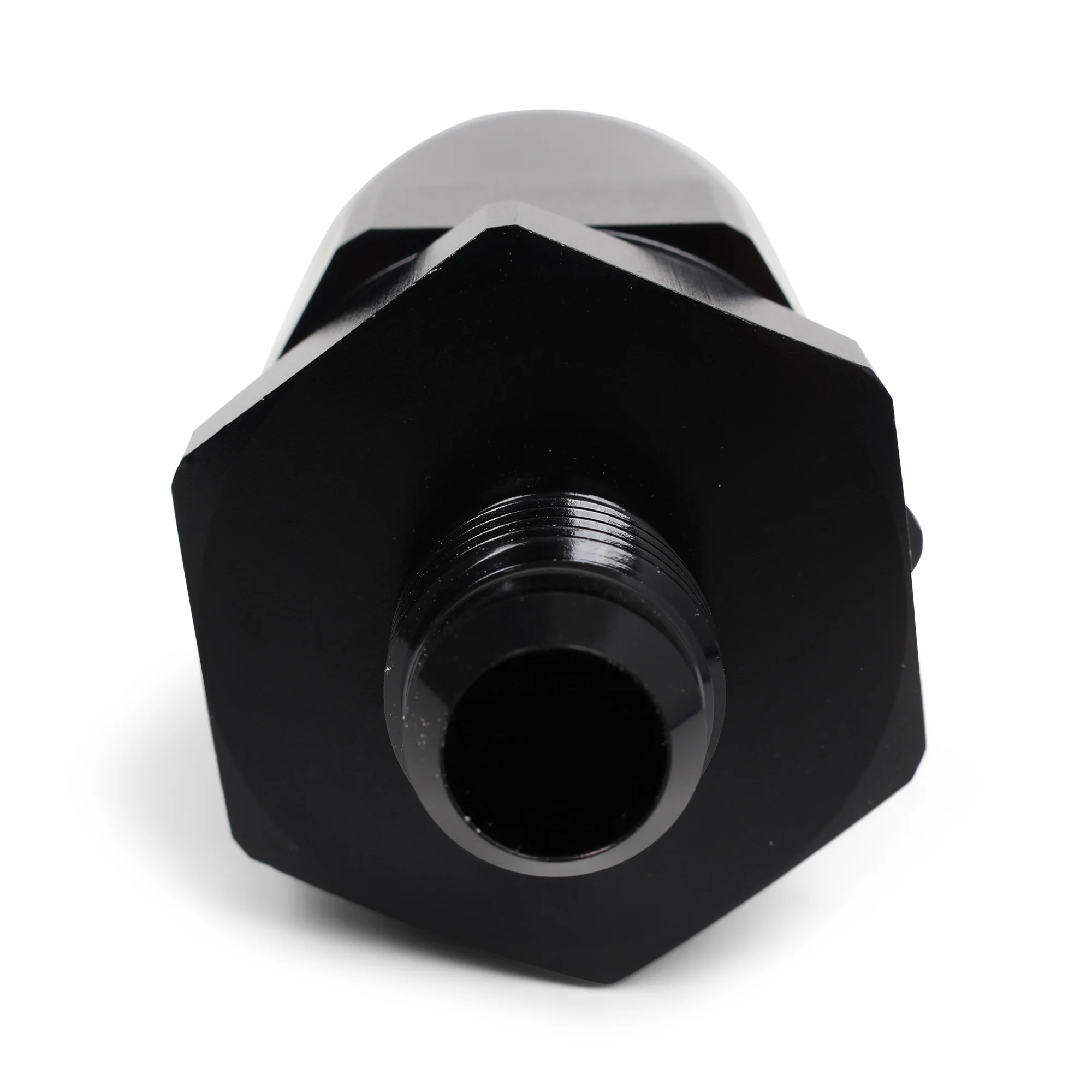
AEM 400 LPH Inline Fuel Pump - Universal (50-1009)
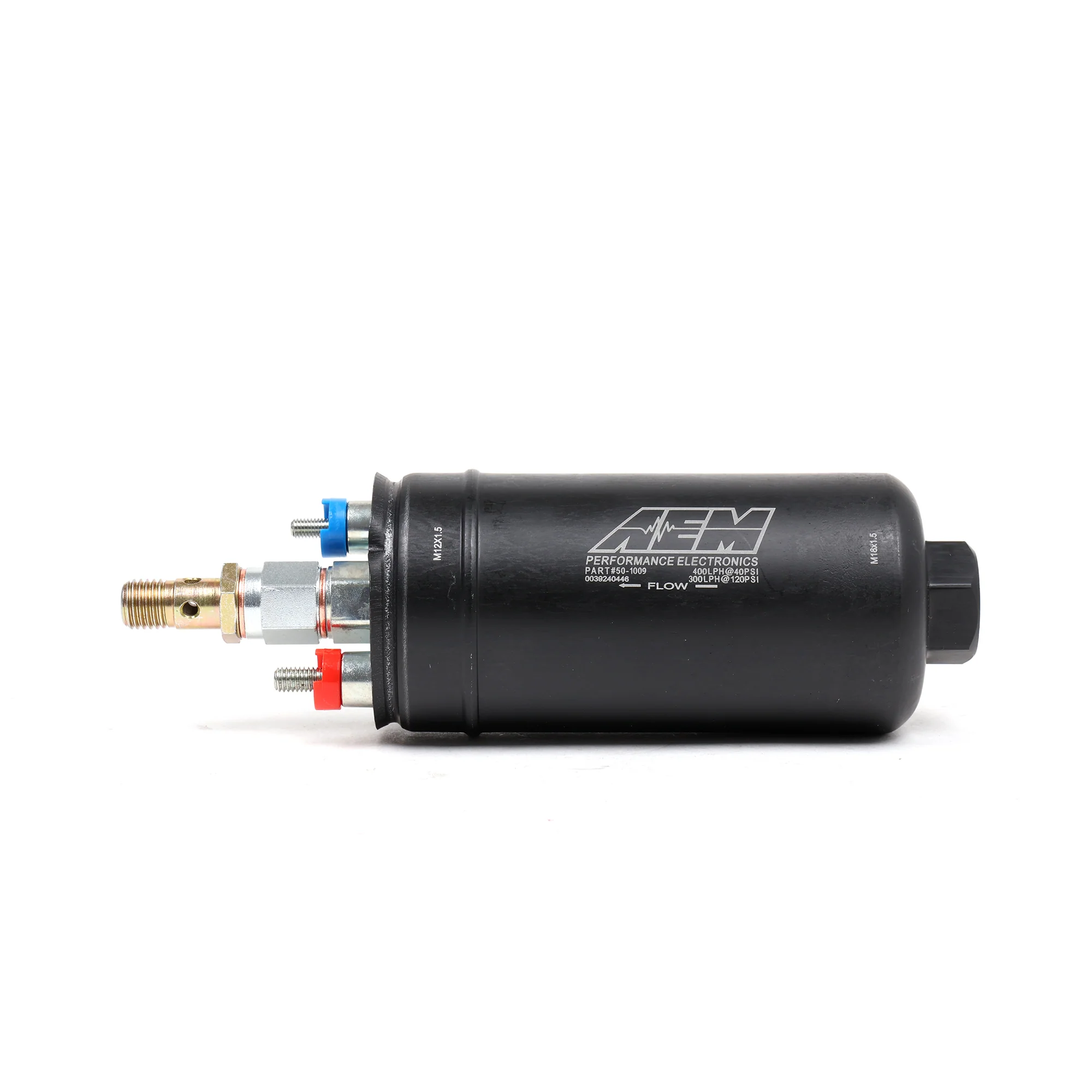
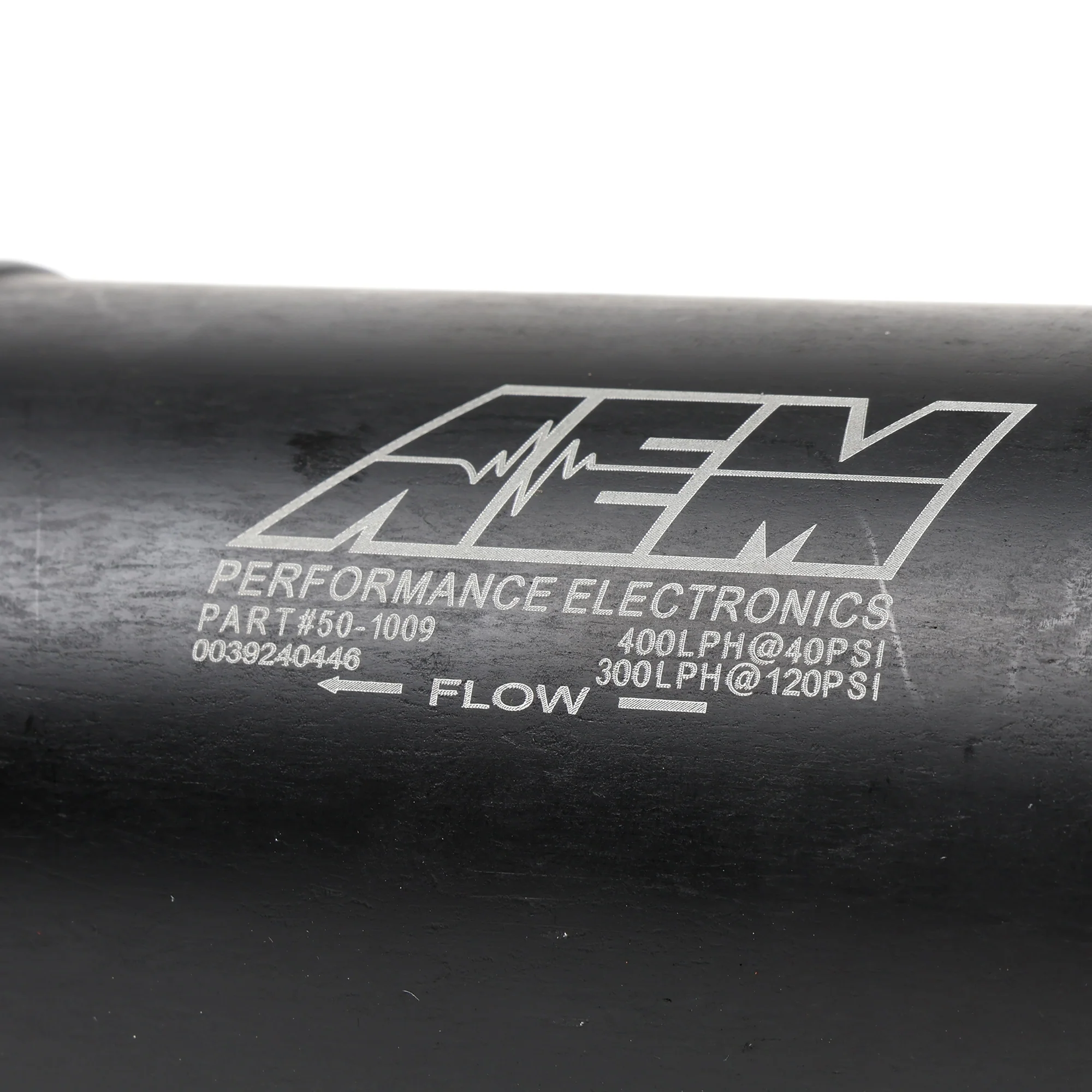
You're building a turbo K series and you need a fuel pump that'll actually flow 400 liters per hour at 60 PSI, not at zero PSI like the marketing sheet says. Most fuel pumps are rated at free flow with no backpressure. That's useless. Your fuel system runs at 40-60 PSI base pressure, then it climbs 1:1 with boost. If you're running 20 PSI of boost on top of 50 PSI base pressure, your fuel pump's working against 70 PSI. A pump that flows 400 LPH at zero PSI might only flow 250 LPH at 70 PSI. That's not enough fuel for 500 whp and you're going lean at the top of the RPM range. AEM publishes actual flow numbers at actual pressure. This pump flows 400 LPH at 40 PSI, 340 LPH at 73 PSI, and 270 LPH at 120 PSI. You know exactly what you're getting at your operating pressure instead of guessing. This is a 60mm inline fuel pump that fits standard 044-style pump brackets. If you're already running an 044 bracket, this drops right in. The inlet's M18x1.5 female threads, the outlet's M12x1.5 male threads. If you're running AN fittings, you'll need adapters.
Here's Why Flow at Pressure Actually Matters
Your fuel system doesn't run at zero PSI. It runs at base pressure (usually 40-60 PSI depending on your regulator setting) plus boost pressure if you're running forced induction. If you're making 500 whp on a turbo motor at 20 PSI of boost with a 50 PSI base fuel pressure, your fuel pump's working against 70 PSI of backpressure. Most cheap fuel pumps lose 30-40% of their flow when you add that much backpressure. A pump rated at 400 LPH free flow might only flow 240-260 LPH at 70 PSI. That's not enough fuel. Your injectors are maxed out, your AFR's going lean, and you're detonating or you're pulling timing to stay safe. AEM publishes flow at actual pressure so you can size the pump correctly. At 73 PSI, this pump's still flowing 340 LPH. That's real flow at real pressure. You're not guessing if the pump can keep up. You know it can.
It Fits 044-Style Brackets with Metric Ports
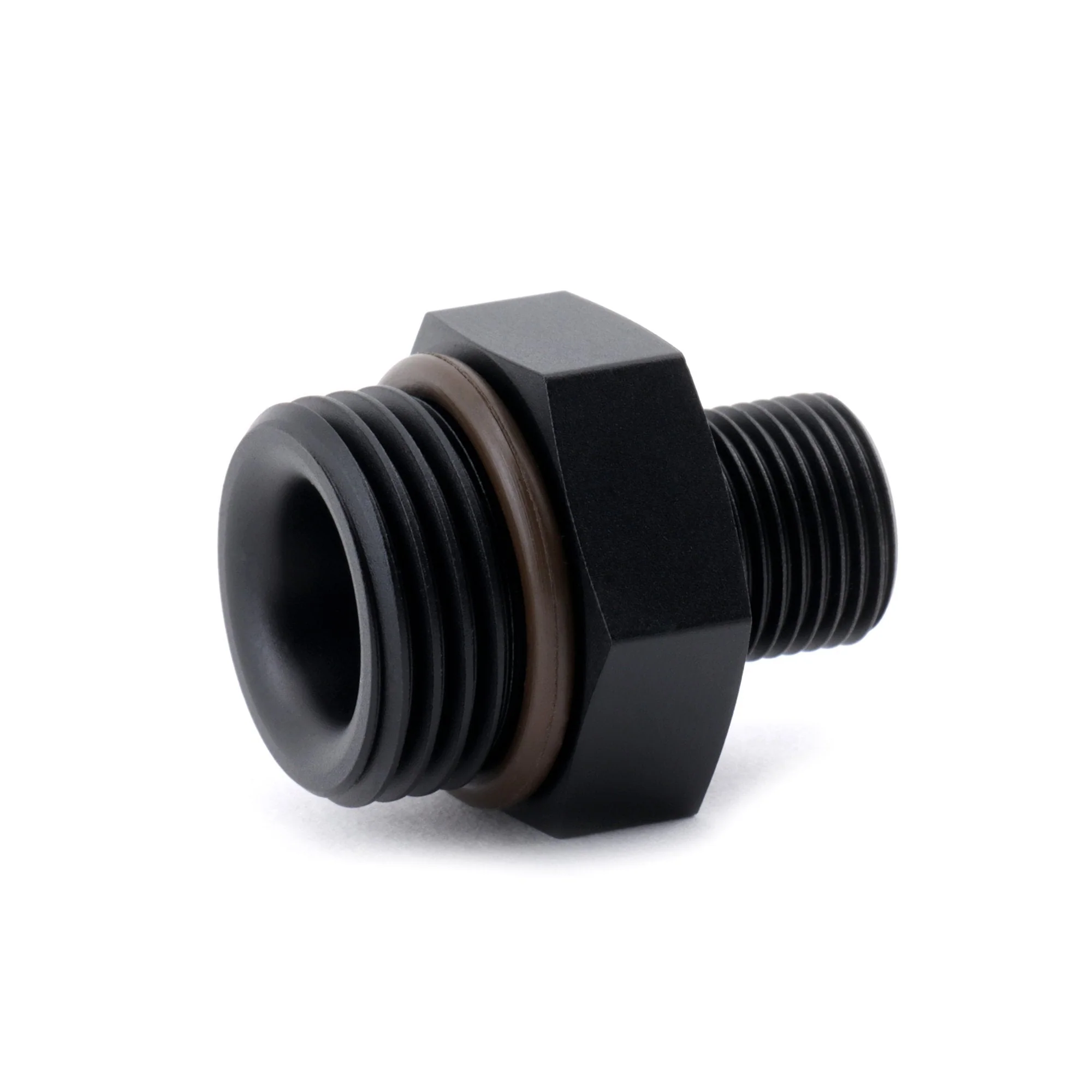
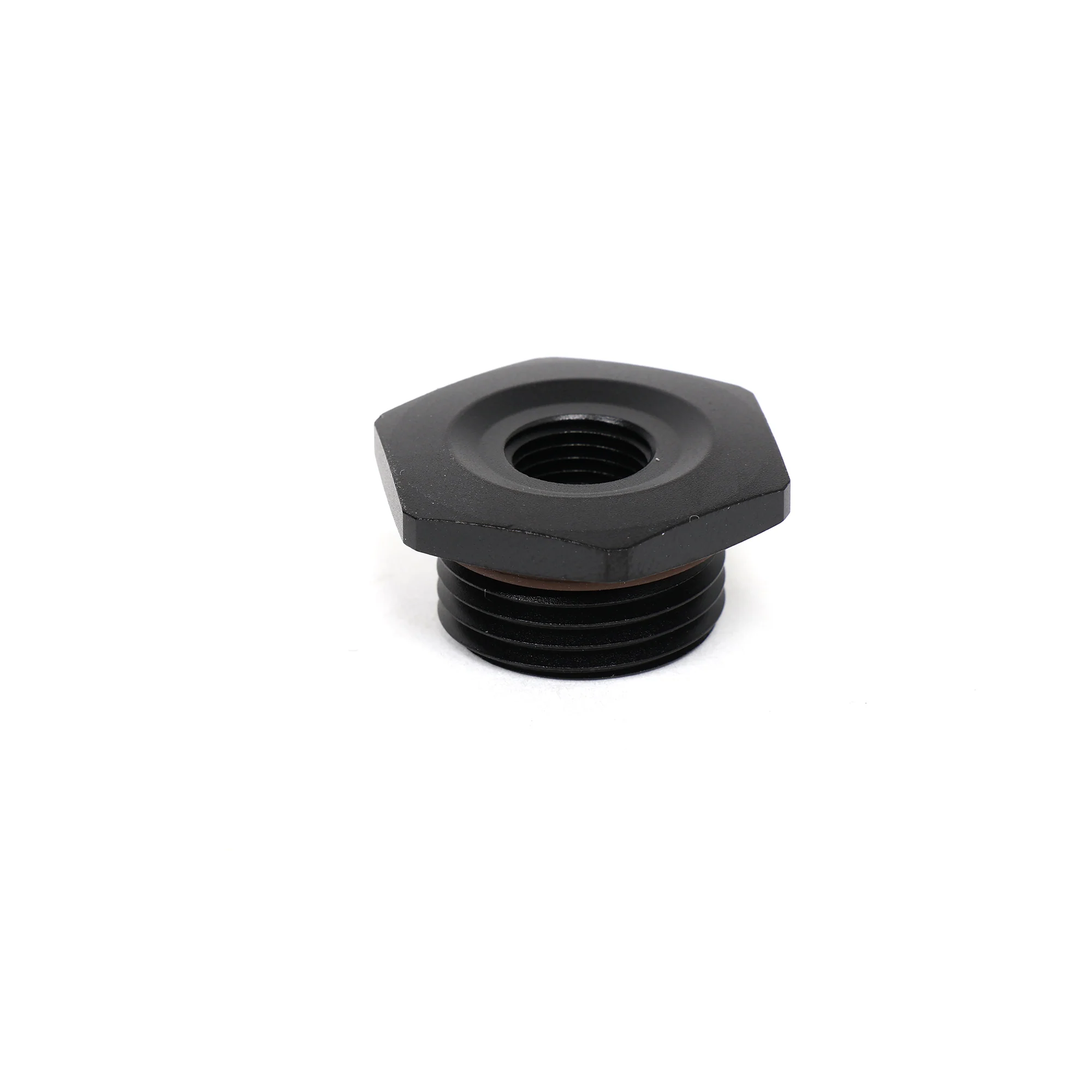
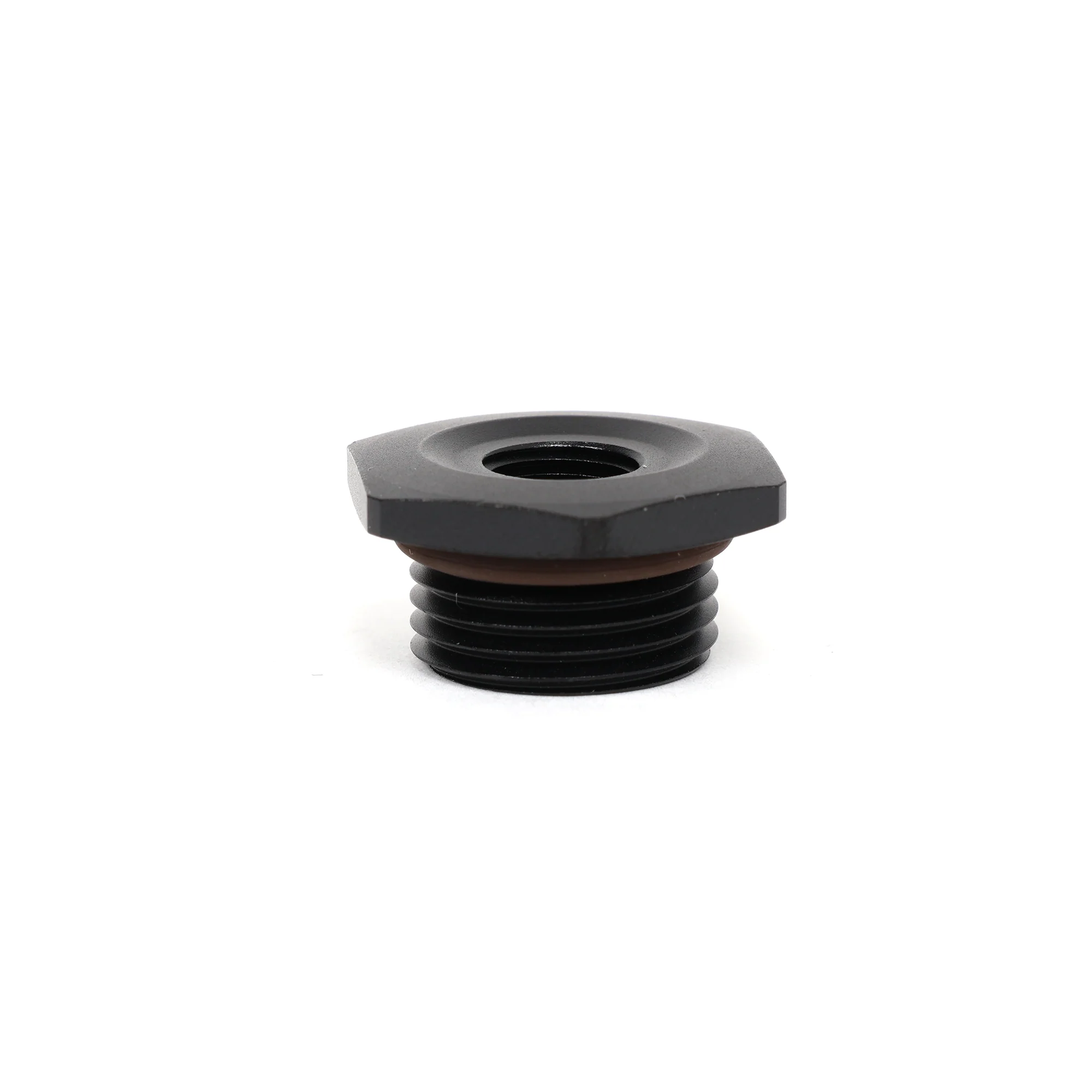
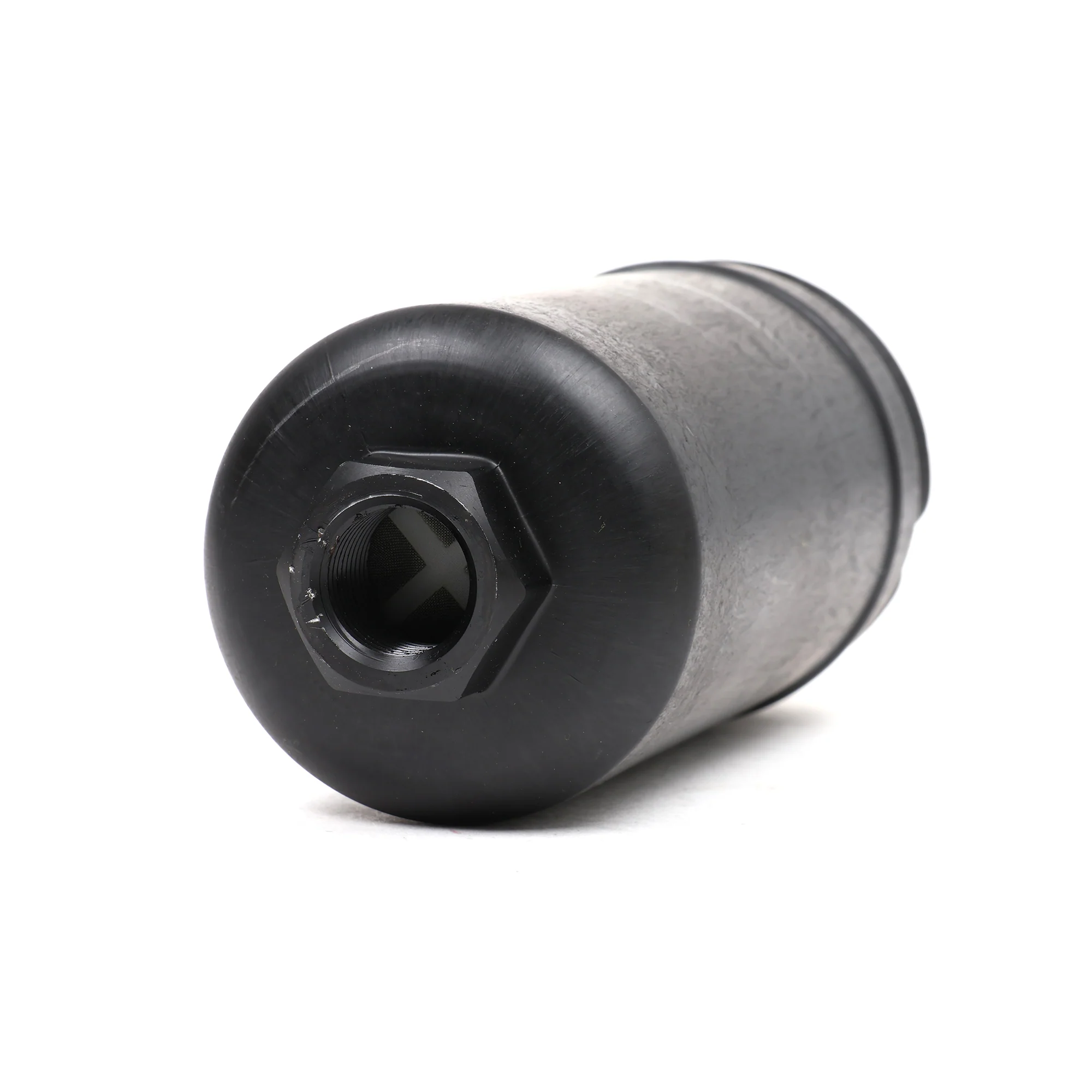
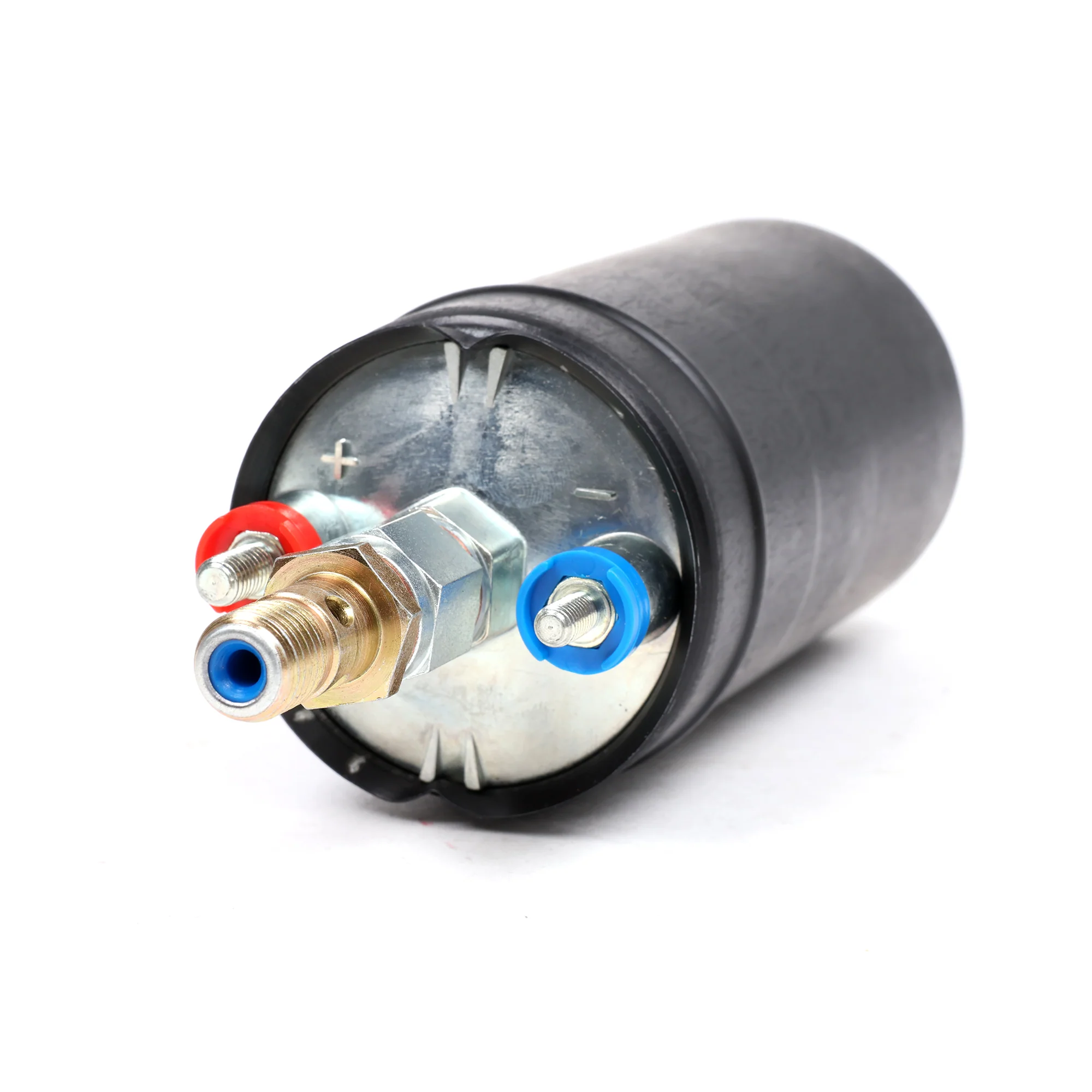
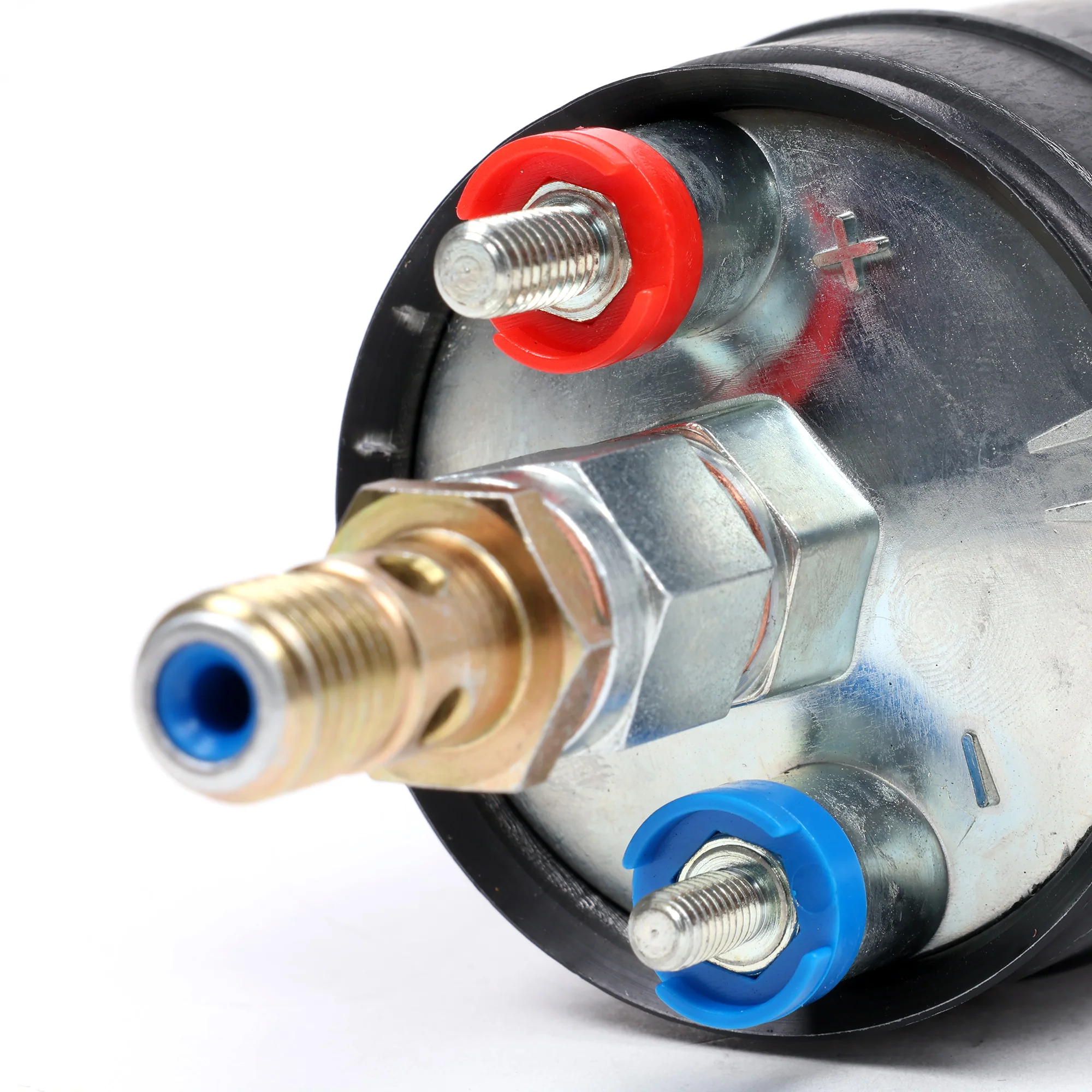
This pump's 60mm diameter. That's the same size as a Bosch 044 pump. If you've already got an 044 bracket mounted in your car, this pump drops right in. Same bolt pattern, same clamp diameter. The difference is the ports. Bosch 044 pumps use AN fittings. This AEM pump uses metric threads. The inlet's M18x1.5 female (that's where fuel comes in from your tank or your pre-pump filter). The outlet's M12x1.5 male (that's where fuel goes out to your fuel rail). If you're running AN lines and AN fittings, you'll need metric-to-AN adapters. AEM sells them. Vibrant sells them. Radium sells them. Don't skip the adapters and try to force AN fittings onto metric threads. You'll strip the threads and trash the pump.
You Need Real Wiring for This Pump
This pump pulls serious current. At 40 PSI it's pulling about 10 amps. At 120 PSI it's pulling 17 amps. That's way more than your stock fuel pump wiring can handle. Stock fuel pump wiring's usually 16-gauge or 18-gauge wire with a 15-amp fuse. That's fine for a stock 80-LPH fuel pump pulling 5 amps. It's not fine for this pump. You need to run dedicated power and ground wires. Use 10-gauge or 12-gauge wire from the battery to a relay, then from the relay to the pump. Use a 25-amp fuse. Mount the relay close to the battery. Run a trigger wire from your stock fuel pump circuit to activate the relay. If you try to run this pump on stock wiring, you're going to get voltage drop. The pump's going to see 11 volts instead of 13.5 volts. Voltage drop kills flow. The pump won't flow what it's supposed to flow and you'll be chasing a lean condition that's caused by bad wiring, not a bad pump.
Rated Power Numbers Are Guidelines, Not Guarantees
AEM says this pump supports 1,200 HP naturally aspirated or 860 HP at 30 PSI boost. Those are guidelines based on a generic engine with a generic BSFC (brake-specific fuel consumption). Your engine might be different. If you're running E85, your BSFC's higher and you need more fuel. If you're running a built engine with a lumpy cam and poor VE (volumetric efficiency) at low RPM, you might need more fuel at idle and cruise. If you're running a high-compression all-motor build with great VE, you might need less fuel. Don't just look at the horsepower number and assume the pump's big enough. Calculate your actual fuel flow requirement based on your horsepower, your BSFC, and your fuel type. If you're making 500 whp on E85 with a BSFC of 0.65, you need about 325 LPH at your operating pressure. This pump flows 340 LPH at 73 PSI. You've got headroom. If you're making 800 whp on E85, you need about 520 LPH. This pump won't cut it. You need two pumps or a bigger pump.
What You Get
- AEM 400 LPH inline fuel pump (part number 50-1009)
- Flow ratings: 400 LPH at 40 PSI, 340 LPH at 73 PSI, 270 LPH at 120 PSI
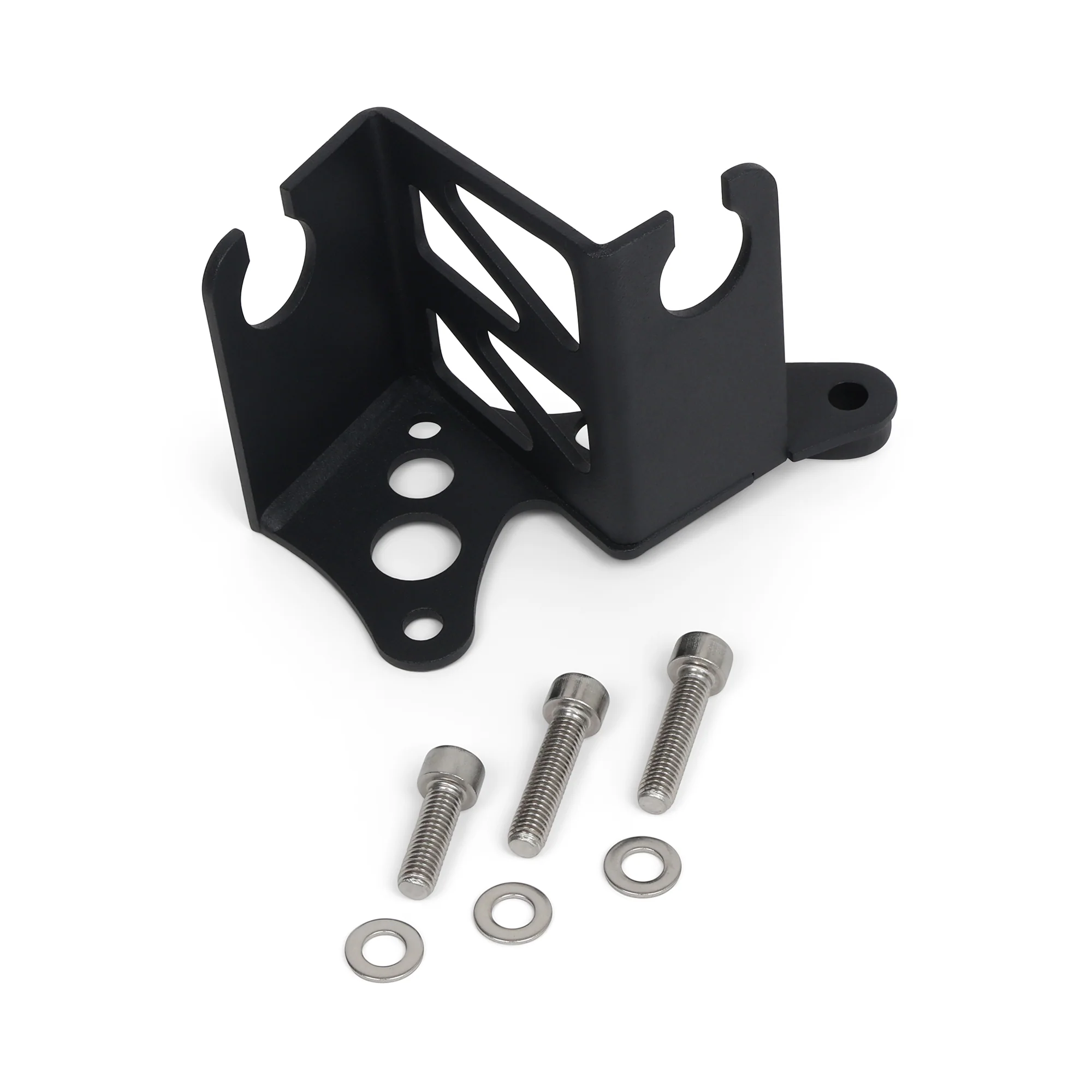
- 60mm diameter (fits standard 044-style pump brackets)
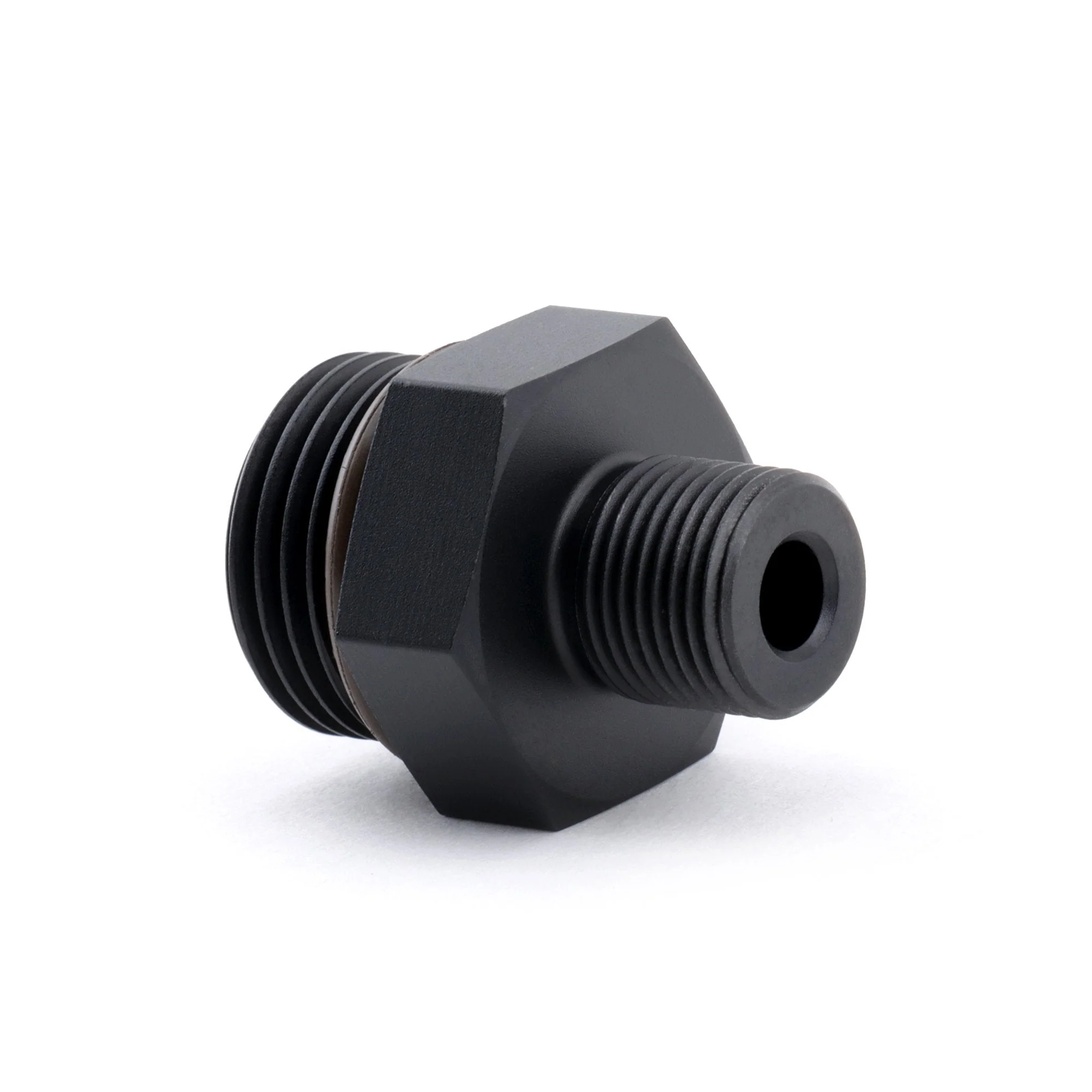
- Inlet: M18x1.5 female threads
- Outlet: M12x1.5 male threads
- Roller vane impeller with ceramic end plate
- Steel body with black plating
- Internal pressure relief valve (opens at 150 PSI)
- Voltage range: 10V minimum, 18V maximum
- Current draw: 10-17 amps depending on pressure
- Recommended fuse: 25 amps
- Compatible with gasoline, E85, E90 (pump life may be reduced on 100% alcohol)
- Weight: 35.8 oz (1,015 grams)
Note: This is a universal inline fuel pump - you need to mount it externally with an 044-style bracket (not included). Inlet is M18x1.5 female, outlet is M12x1.5 male - if you're running AN fittings, you need metric-to-AN adapters (not included). This pump pulls 10-17 amps depending on pressure - you MUST run dedicated wiring with a relay, 10-gauge or 12-gauge wire, and a 25-amp fuse. Do not use stock fuel pump wiring or you'll have voltage drop and the pump won't flow correctly. AEM's power ratings (1,200 HP NA / 860 HP boosted) are guidelines - calculate your actual fuel requirement based on your horsepower, fuel type, and BSFC. This pump works with pump gas and ethanol blends including E85 - running 100% methanol or 100% ethanol may reduce pump life. Mount the pump below the fuel tank if possible so it's always primed with fuel.
- Universal
-
Flows 400lph (105 gph) at 40 PSI, 340 lph (90 gph) at 73 PSI, and 270 lph (71 gph) at 120 PSIOutside Diameter: 60mm ODExternal Materials: Plated steelInlet Fitting: M18X1.5 femaleOutlet Fitting: M12x1.5 malePRV Activation: 150 PSIImpeller: Roller vane with ceramic end plate.
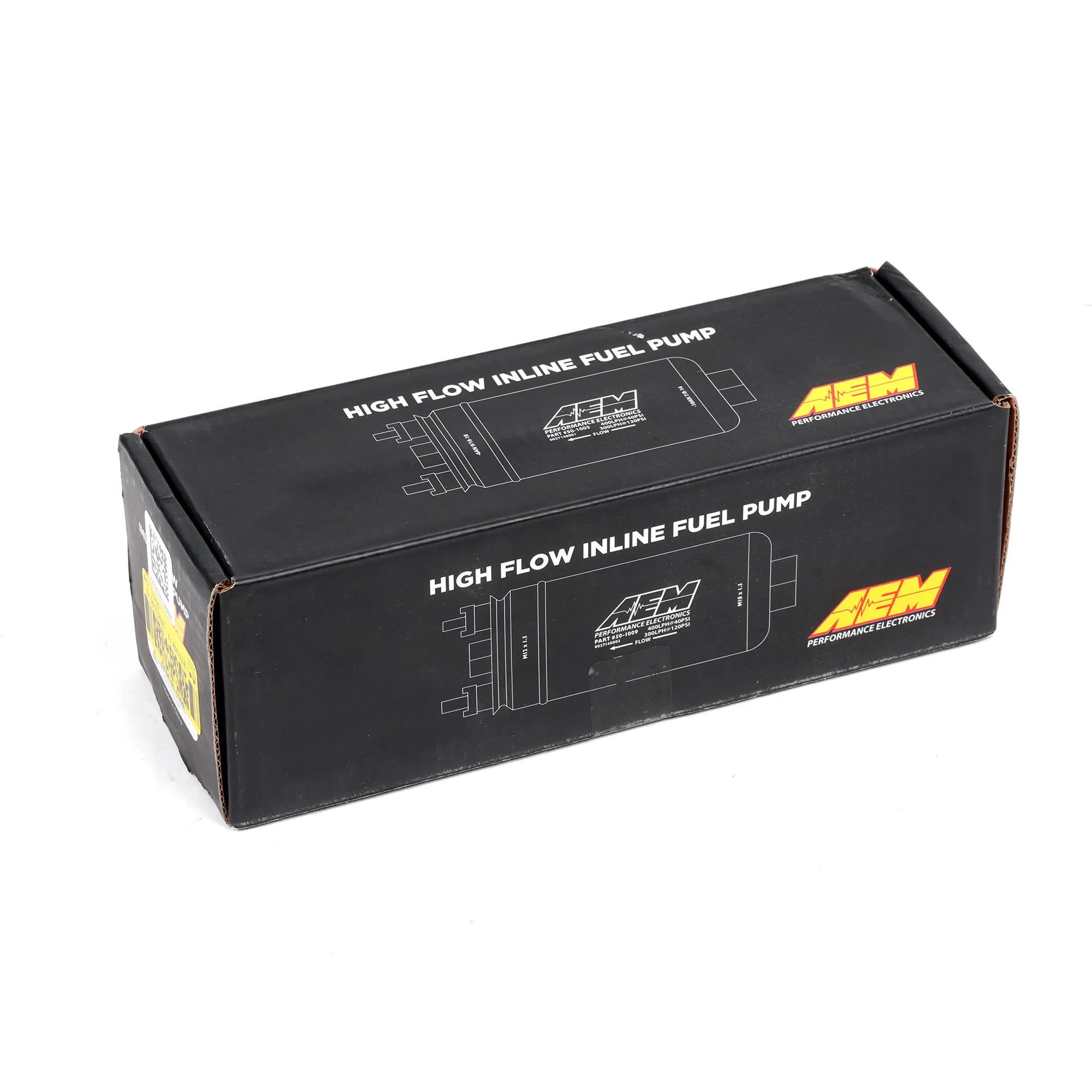
- (1) Fuel Pump
- Install the fuel pump using the provided hardware and check valve fitting. Ensure proper wiring as per the Electrical Requirements section in the instructions document. Follow the detailed installation instructions included in the package.
Original: $218.95
-65%$218.95
$76.63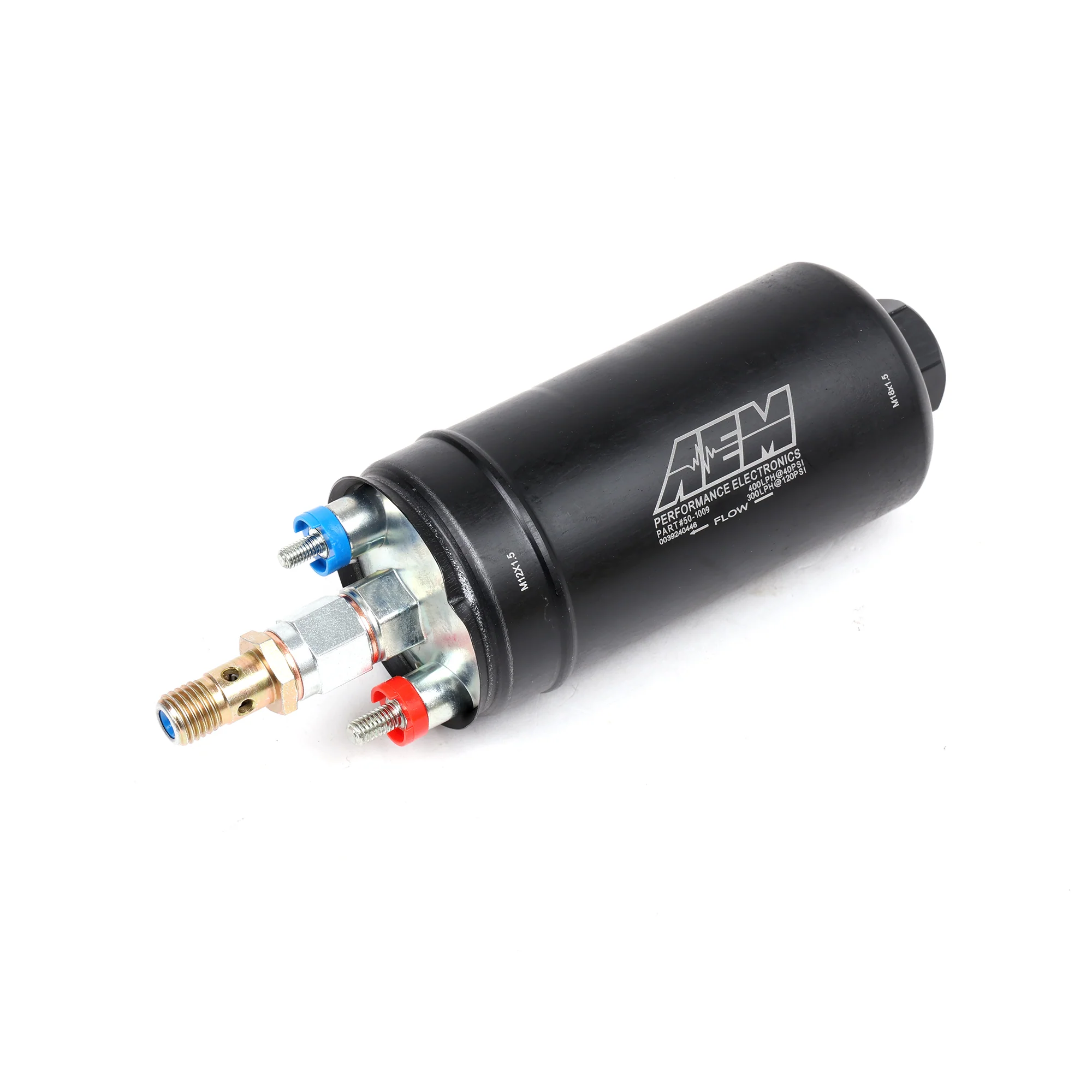

Description
- Supports Up to 1200 HP NA & 860 HP Boosted
- Inline Design Makes it Widely Compatible
- Compatible with All Fuel Types
- Designed for High Output NA or Forced Induction
- Description
- Vehicle Fitment
- Technical Data
- Included
- Install Guide
-
AEM 400 LPH Inline Fuel Pump - Universal (50-1009)
You're building a turbo K series and you need a fuel pump that'll actually flow 400 liters per hour at 60 PSI, not at zero PSI like the marketing sheet says. Most fuel pumps are rated at free flow with no backpressure. That's useless. Your fuel system runs at 40-60 PSI base pressure, then it climbs 1:1 with boost. If you're running 20 PSI of boost on top of 50 PSI base pressure, your fuel pump's working against 70 PSI. A pump that flows 400 LPH at zero PSI might only flow 250 LPH at 70 PSI. That's not enough fuel for 500 whp and you're going lean at the top of the RPM range. AEM publishes actual flow numbers at actual pressure. This pump flows 400 LPH at 40 PSI, 340 LPH at 73 PSI, and 270 LPH at 120 PSI. You know exactly what you're getting at your operating pressure instead of guessing. This is a 60mm inline fuel pump that fits standard 044-style pump brackets. If you're already running an 044 bracket, this drops right in. The inlet's M18x1.5 female threads, the outlet's M12x1.5 male threads. If you're running AN fittings, you'll need adapters.
Here's Why Flow at Pressure Actually Matters
Your fuel system doesn't run at zero PSI. It runs at base pressure (usually 40-60 PSI depending on your regulator setting) plus boost pressure if you're running forced induction. If you're making 500 whp on a turbo motor at 20 PSI of boost with a 50 PSI base fuel pressure, your fuel pump's working against 70 PSI of backpressure. Most cheap fuel pumps lose 30-40% of their flow when you add that much backpressure. A pump rated at 400 LPH free flow might only flow 240-260 LPH at 70 PSI. That's not enough fuel. Your injectors are maxed out, your AFR's going lean, and you're detonating or you're pulling timing to stay safe. AEM publishes flow at actual pressure so you can size the pump correctly. At 73 PSI, this pump's still flowing 340 LPH. That's real flow at real pressure. You're not guessing if the pump can keep up. You know it can.
It Fits 044-Style Brackets with Metric Ports
This pump's 60mm diameter. That's the same size as a Bosch 044 pump. If you've already got an 044 bracket mounted in your car, this pump drops right in. Same bolt pattern, same clamp diameter. The difference is the ports. Bosch 044 pumps use AN fittings. This AEM pump uses metric threads. The inlet's M18x1.5 female (that's where fuel comes in from your tank or your pre-pump filter). The outlet's M12x1.5 male (that's where fuel goes out to your fuel rail). If you're running AN lines and AN fittings, you'll need metric-to-AN adapters. AEM sells them. Vibrant sells them. Radium sells them. Don't skip the adapters and try to force AN fittings onto metric threads. You'll strip the threads and trash the pump.
You Need Real Wiring for This Pump
This pump pulls serious current. At 40 PSI it's pulling about 10 amps. At 120 PSI it's pulling 17 amps. That's way more than your stock fuel pump wiring can handle. Stock fuel pump wiring's usually 16-gauge or 18-gauge wire with a 15-amp fuse. That's fine for a stock 80-LPH fuel pump pulling 5 amps. It's not fine for this pump. You need to run dedicated power and ground wires. Use 10-gauge or 12-gauge wire from the battery to a relay, then from the relay to the pump. Use a 25-amp fuse. Mount the relay close to the battery. Run a trigger wire from your stock fuel pump circuit to activate the relay. If you try to run this pump on stock wiring, you're going to get voltage drop. The pump's going to see 11 volts instead of 13.5 volts. Voltage drop kills flow. The pump won't flow what it's supposed to flow and you'll be chasing a lean condition that's caused by bad wiring, not a bad pump.
Rated Power Numbers Are Guidelines, Not Guarantees
AEM says this pump supports 1,200 HP naturally aspirated or 860 HP at 30 PSI boost. Those are guidelines based on a generic engine with a generic BSFC (brake-specific fuel consumption). Your engine might be different. If you're running E85, your BSFC's higher and you need more fuel. If you're running a built engine with a lumpy cam and poor VE (volumetric efficiency) at low RPM, you might need more fuel at idle and cruise. If you're running a high-compression all-motor build with great VE, you might need less fuel. Don't just look at the horsepower number and assume the pump's big enough. Calculate your actual fuel flow requirement based on your horsepower, your BSFC, and your fuel type. If you're making 500 whp on E85 with a BSFC of 0.65, you need about 325 LPH at your operating pressure. This pump flows 340 LPH at 73 PSI. You've got headroom. If you're making 800 whp on E85, you need about 520 LPH. This pump won't cut it. You need two pumps or a bigger pump.
What You Get
- AEM 400 LPH inline fuel pump (part number 50-1009)
- Flow ratings: 400 LPH at 40 PSI, 340 LPH at 73 PSI, 270 LPH at 120 PSI
- 60mm diameter (fits standard 044-style pump brackets)
- Inlet: M18x1.5 female threads
- Outlet: M12x1.5 male threads
- Roller vane impeller with ceramic end plate
- Steel body with black plating
- Internal pressure relief valve (opens at 150 PSI)
- Voltage range: 10V minimum, 18V maximum
- Current draw: 10-17 amps depending on pressure
- Recommended fuse: 25 amps
- Compatible with gasoline, E85, E90 (pump life may be reduced on 100% alcohol)
- Weight: 35.8 oz (1,015 grams)
Note: This is a universal inline fuel pump - you need to mount it externally with an 044-style bracket (not included). Inlet is M18x1.5 female, outlet is M12x1.5 male - if you're running AN fittings, you need metric-to-AN adapters (not included). This pump pulls 10-17 amps depending on pressure - you MUST run dedicated wiring with a relay, 10-gauge or 12-gauge wire, and a 25-amp fuse. Do not use stock fuel pump wiring or you'll have voltage drop and the pump won't flow correctly. AEM's power ratings (1,200 HP NA / 860 HP boosted) are guidelines - calculate your actual fuel requirement based on your horsepower, fuel type, and BSFC. This pump works with pump gas and ethanol blends including E85 - running 100% methanol or 100% ethanol may reduce pump life. Mount the pump below the fuel tank if possible so it's always primed with fuel.
- Universal
-
Flows 400lph (105 gph) at 40 PSI, 340 lph (90 gph) at 73 PSI, and 270 lph (71 gph) at 120 PSIOutside Diameter: 60mm ODExternal Materials: Plated steelInlet Fitting: M18X1.5 femaleOutlet Fitting: M12x1.5 malePRV Activation: 150 PSIImpeller: Roller vane with ceramic end plate.
- (1) Fuel Pump
- Install the fuel pump using the provided hardware and check valve fitting. Ensure proper wiring as per the Electrical Requirements section in the instructions document. Follow the detailed installation instructions included in the package.