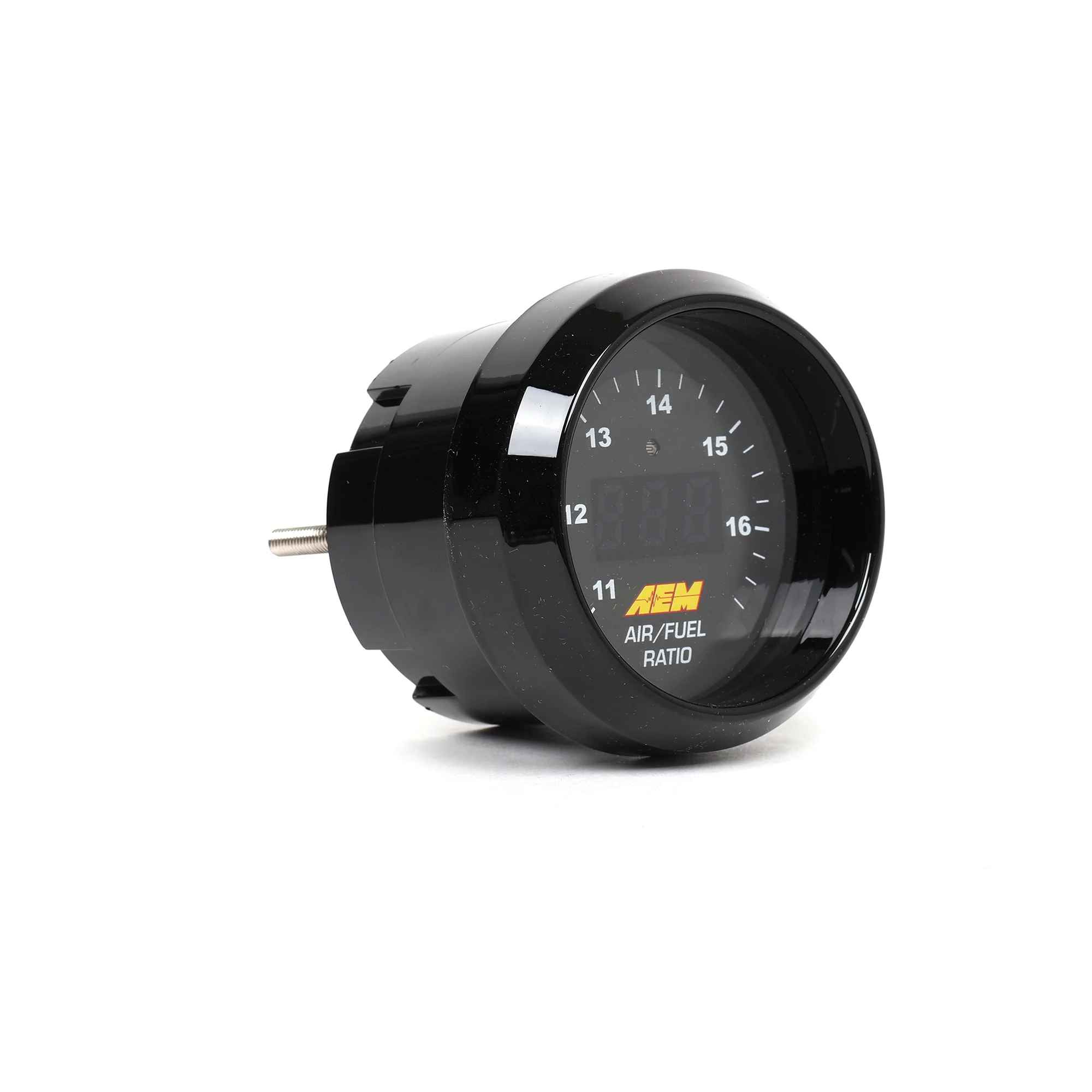
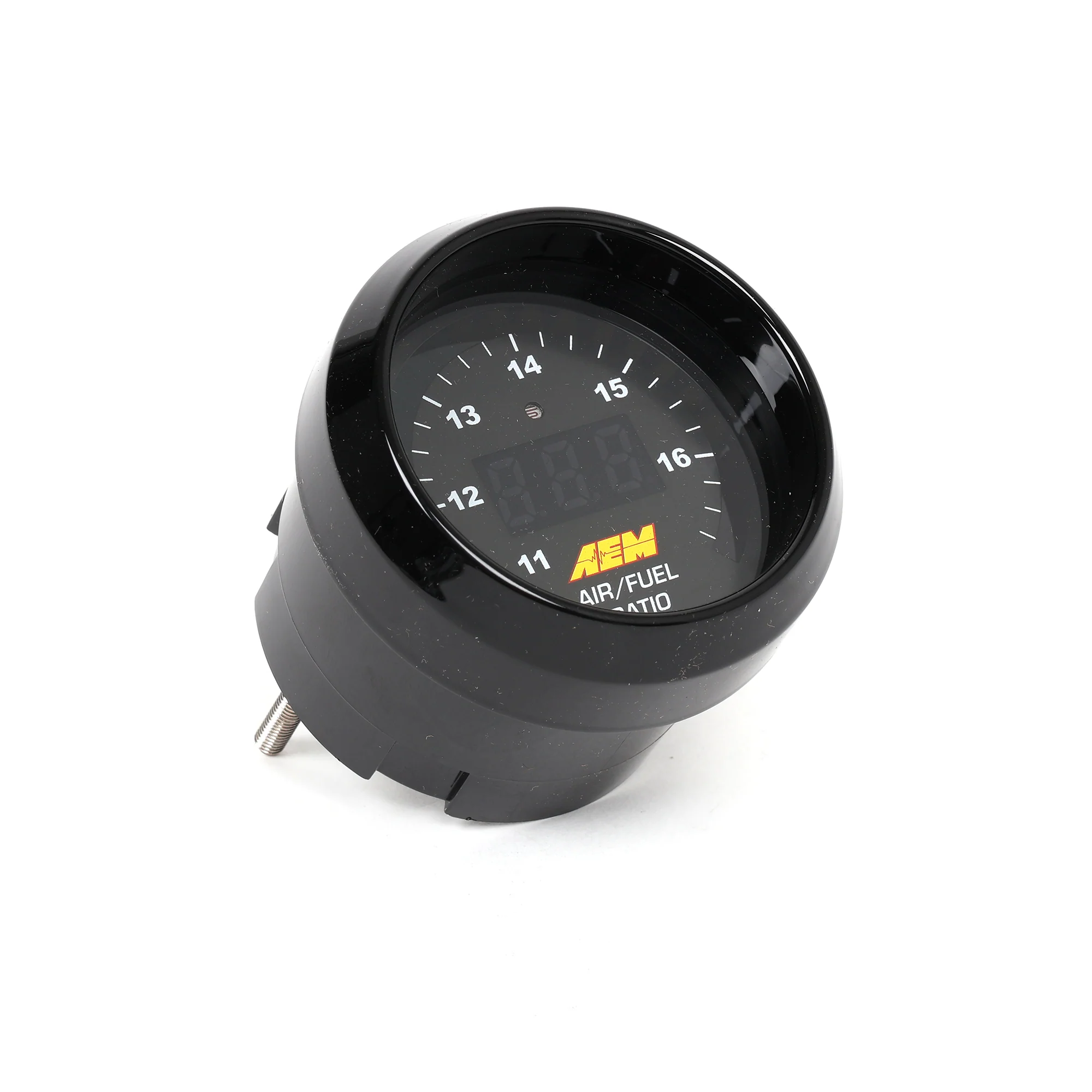
AEM X-Series Universal 8-18v Voltage Gauge
- Real-Time Voltage Monitoring
- 52mm Size Fits Most Gauge Clusters
- Bright, Day/Night Display
- Easy Installation Kit
- Description
- Vehicle Fitment
- Included
-
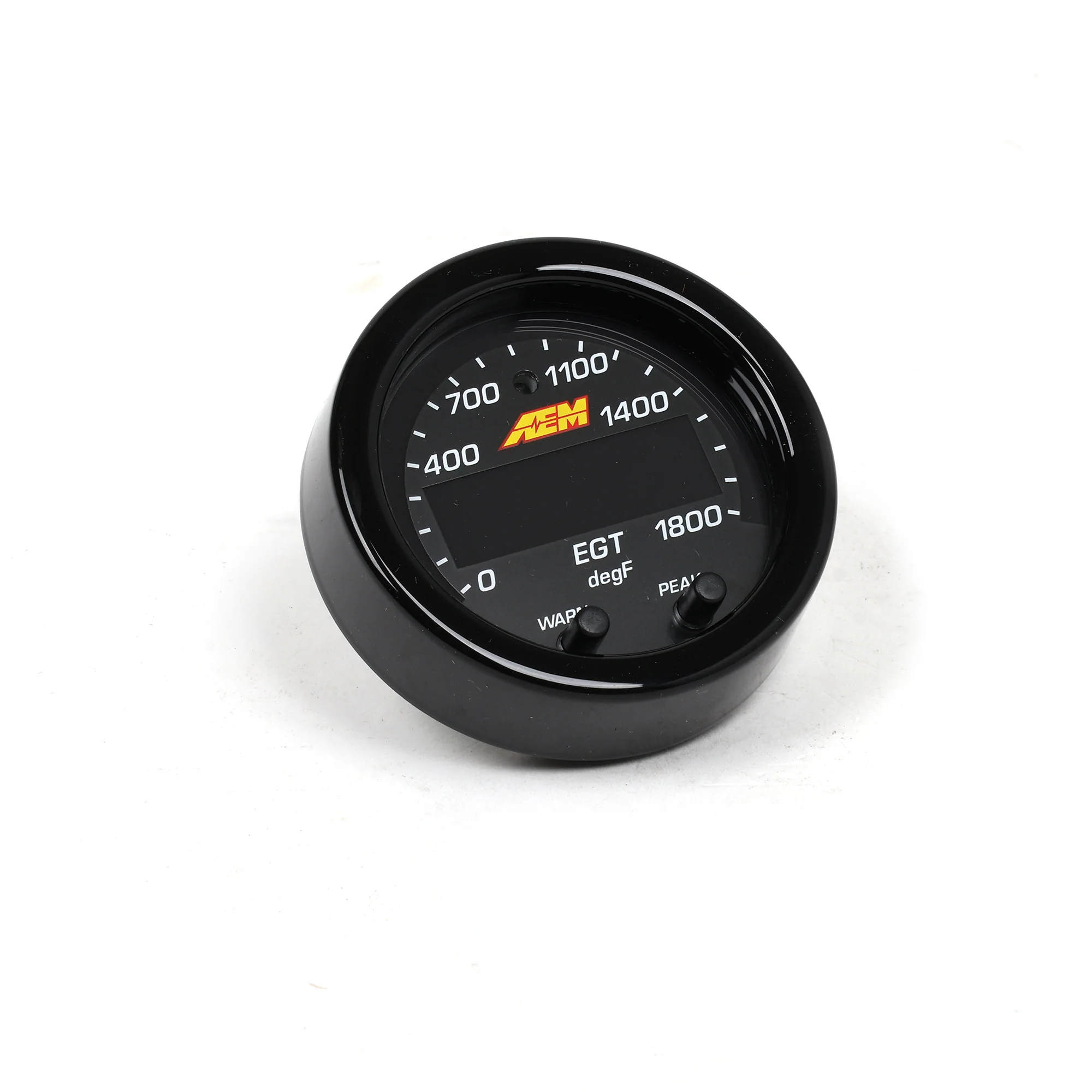
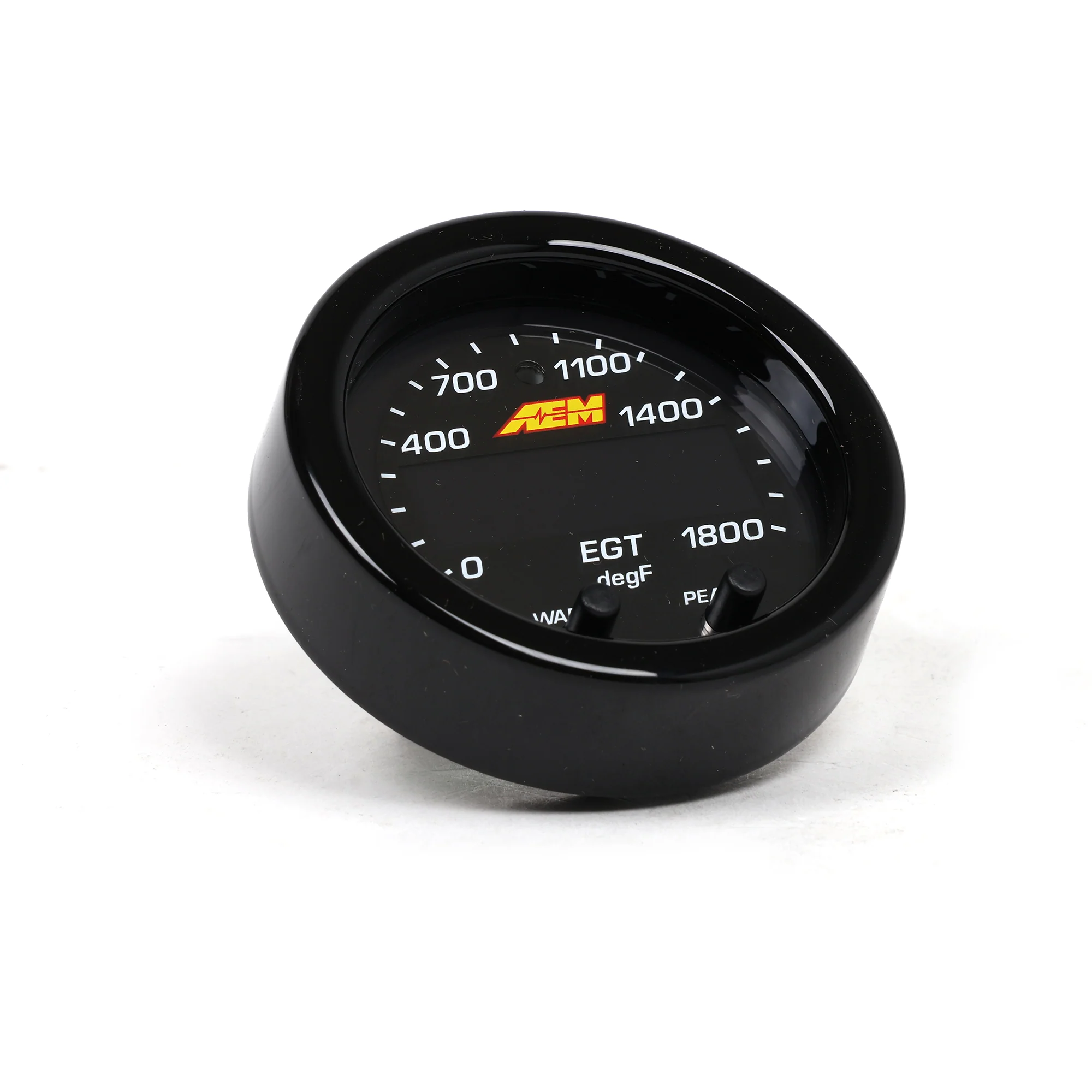
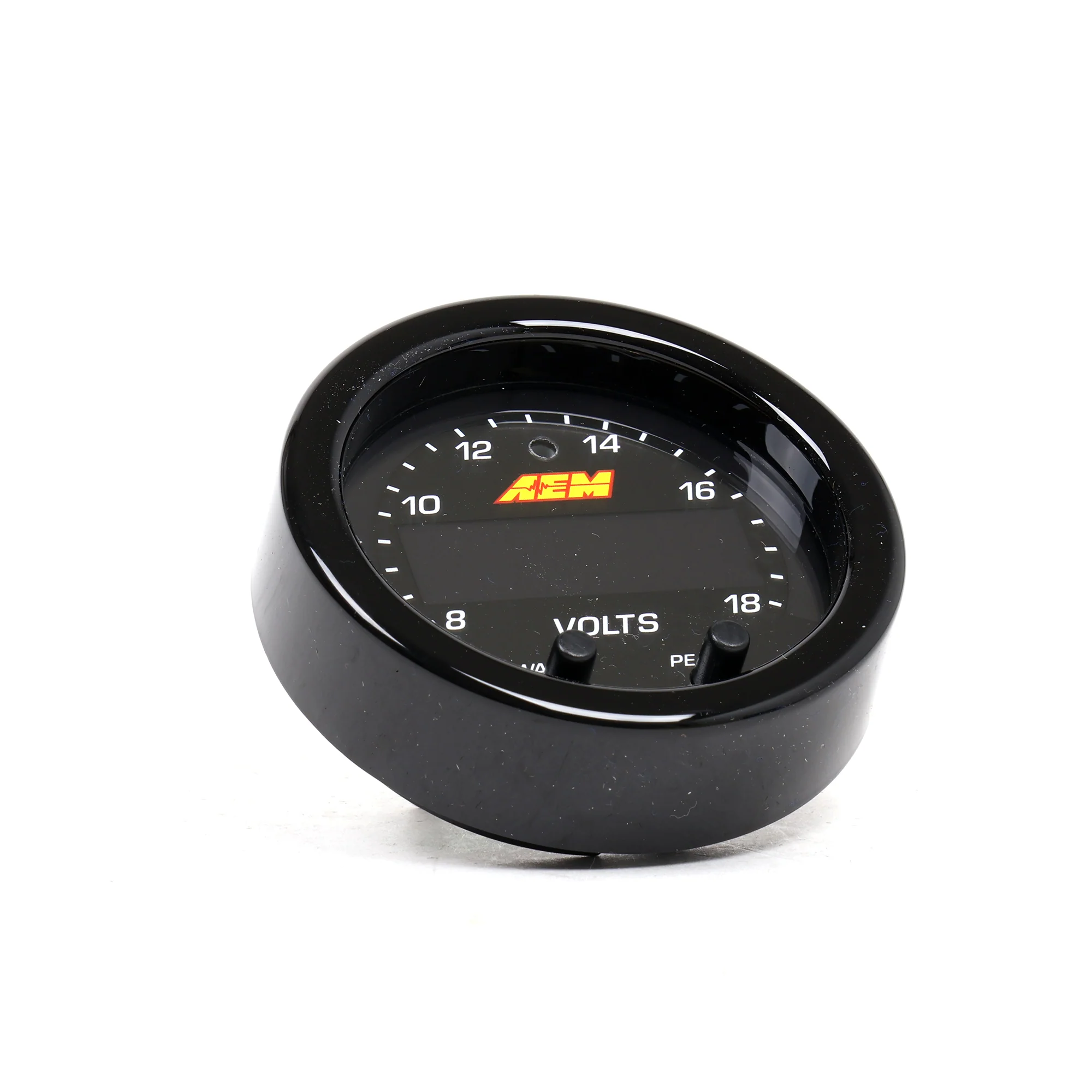
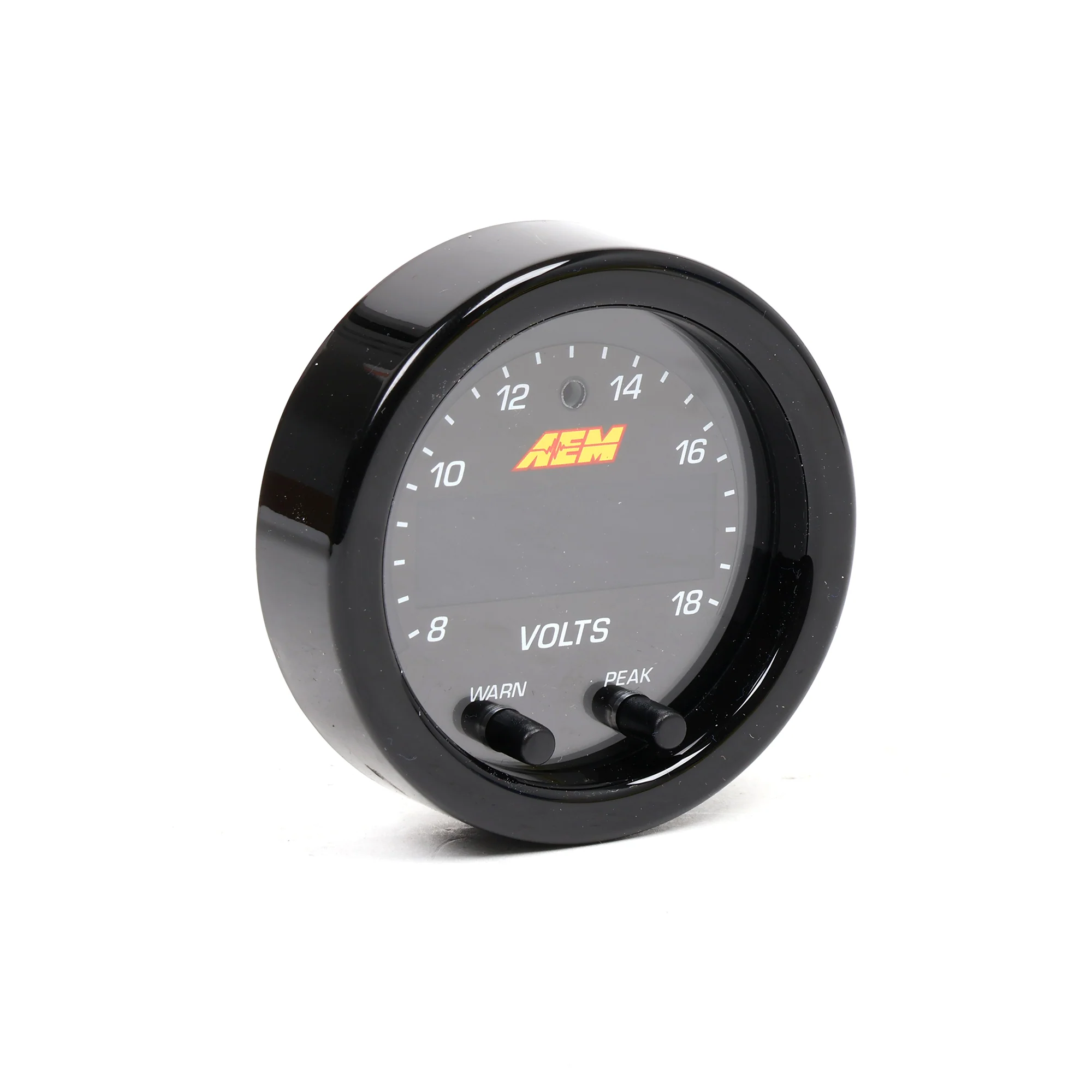
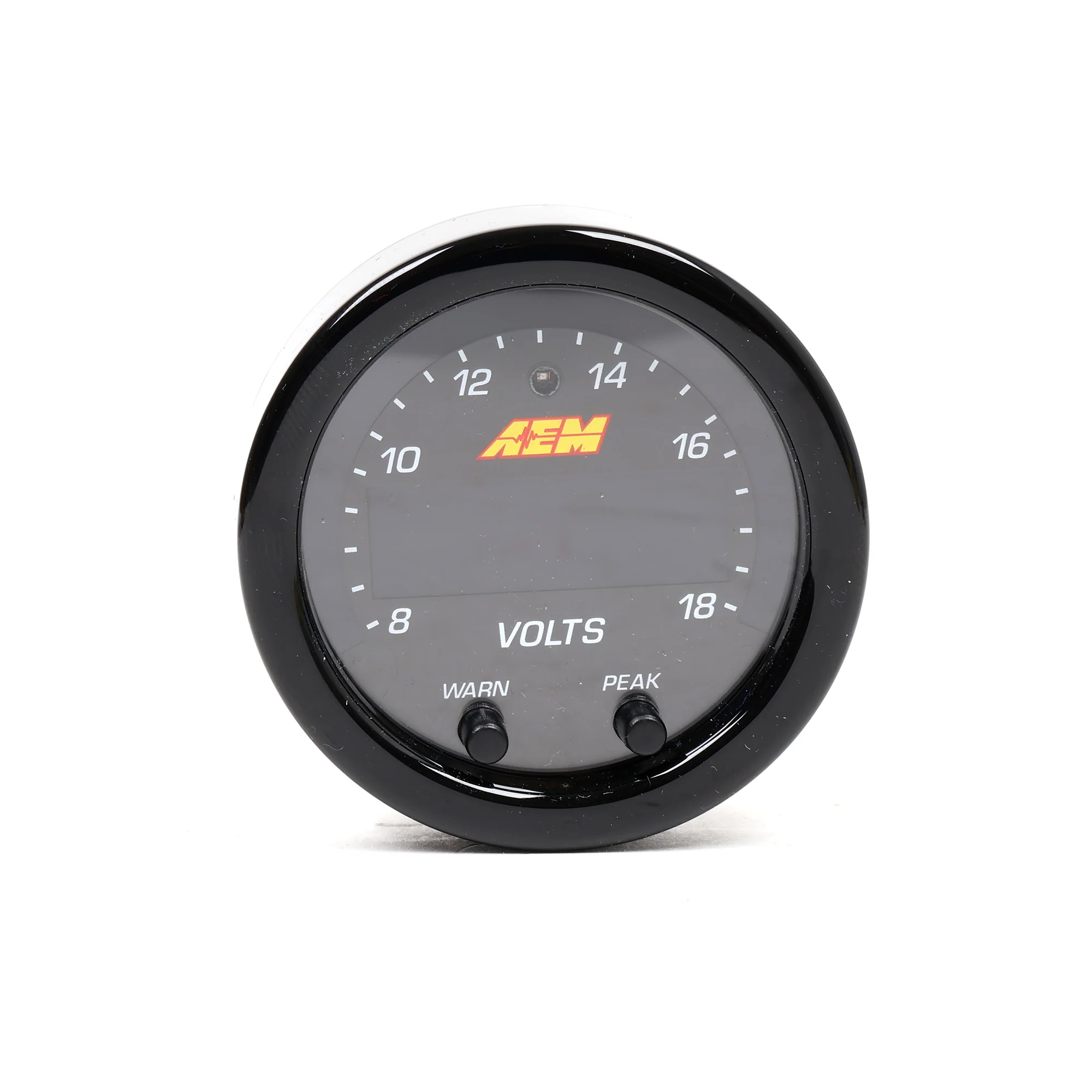
AEM X-Series Universal Voltage Gauge - 52mm
If you're running an aftermarket stereo, a big fuel pump, upgraded headlights, and maybe an electric fan conversion, your stock alternator's working overtime and you've got no idea if your charging system's keeping up or if you're slowly draining your battery every time you drive. AEM's X-Series voltage gauge shows you exactly what your electrical system's doing in real time. The gauge displays voltage from 8 to 18 volts. You can see if your alternator's charging properly, if your battery's healthy, or if you're about to get stranded because your charging system's failing. This is a 52mm gauge that fits most aftermarket gauge pods and dash panels. It comes with the wiring harness and sensor. You're mounting the gauge, running the wires, and you're done. Now you know what your electrical system's doing instead of guessing.
Here's What Voltage Sag Tells You
Your car's electrical system should run at around 13.5 to 14.5 volts when the engine's running and the alternator's charging. That's your alternator maintaining the battery and powering everything in the car. If you're idling at a stoplight and your voltage drops to 12.5 or 12 volts, your alternator's not keeping up with the electrical load. You're pulling power from the battery to run everything and the battery's getting drained. Drive for an hour like that and your battery's going to be dead. The AEM voltage gauge shows you that voltage drop in real time. You see the number fall when you turn on the headlights, the A/C, and the stereo. If the voltage doesn't recover when you rev the engine, your alternator's not strong enough for your electrical load. You need a bigger alternator or you need to reduce the load. Without the gauge, you don't know there's a problem until your car won't start.
Track Charging System Performance Under Load
If you've upgraded your fuel pump, your ignition system, your stereo, or you've added auxiliary lights, you're pulling more power than the stock electrical system was designed for. The stock alternator on most Hondas is 80-100 amps. That's fine for a stock car. Add a 450-watt stereo amp, a high-flow fuel pump, LED headlights, and an electric fan, and you're pulling 120+ amps. Your alternator can't keep up. The voltage gauge lets you see what's happening. Idle at a stoplight with everything on and watch the voltage. If it's sitting at 13.8 volts, you're fine. The alternator's handling the load. If it drops to 12.8 or 12.5 volts, you're draining the battery. Rev the engine and see if the voltage comes back up. If it does, your alternator's marginal but it's working. If it doesn't, your alternator's toast or it's too small for your electrical system. Either way, you know you've got a problem and you can fix it before you're stuck on the side of the road.
52mm Size Fits Most Gauge Pods
AEM designed the X-Series gauges to fit standard 52mm gauge pods. That's the size most companies use for aftermarket gauge setups. If you've got an A-pillar pod, a dash pod, or a custom gauge panel, this gauge fits. The LED display's bright enough to read in direct sunlight and it dims automatically at night so it's not blinding you when you're driving. The gauge comes with a wiring harness and a voltage sensor. You're running power and ground to the gauge, connecting the voltage sensor to your battery or alternator output, mounting the gauge in your pod, and you're done. The gauge also has an analog output if you're running a data logger. You can record voltage during track sessions or dyno runs to see how your electrical system's performing under load.
When You Need This Gauge
You need a voltage gauge if you've done any electrical upgrades. Aftermarket stereo with a big amp? You need to know if your alternator's keeping up. Upgraded fuel pump for a turbo build? You need to monitor voltage to make sure the pump's getting consistent power. Electric fan conversion? Same thing. LED lights, HID headlights, auxiliary driving lights? All of that pulls power and you need to know if your charging system's handling it. If you're running a built engine with an aftermarket ECU and you're tracking the car, voltage stability matters. If your voltage sags during a track session, your ECU might cut fuel or spark to protect itself. That costs you power and it might even put you into limp mode. A voltage gauge tells you if your electrical system's the problem before you start chasing ghosts with your tune.
What You Get
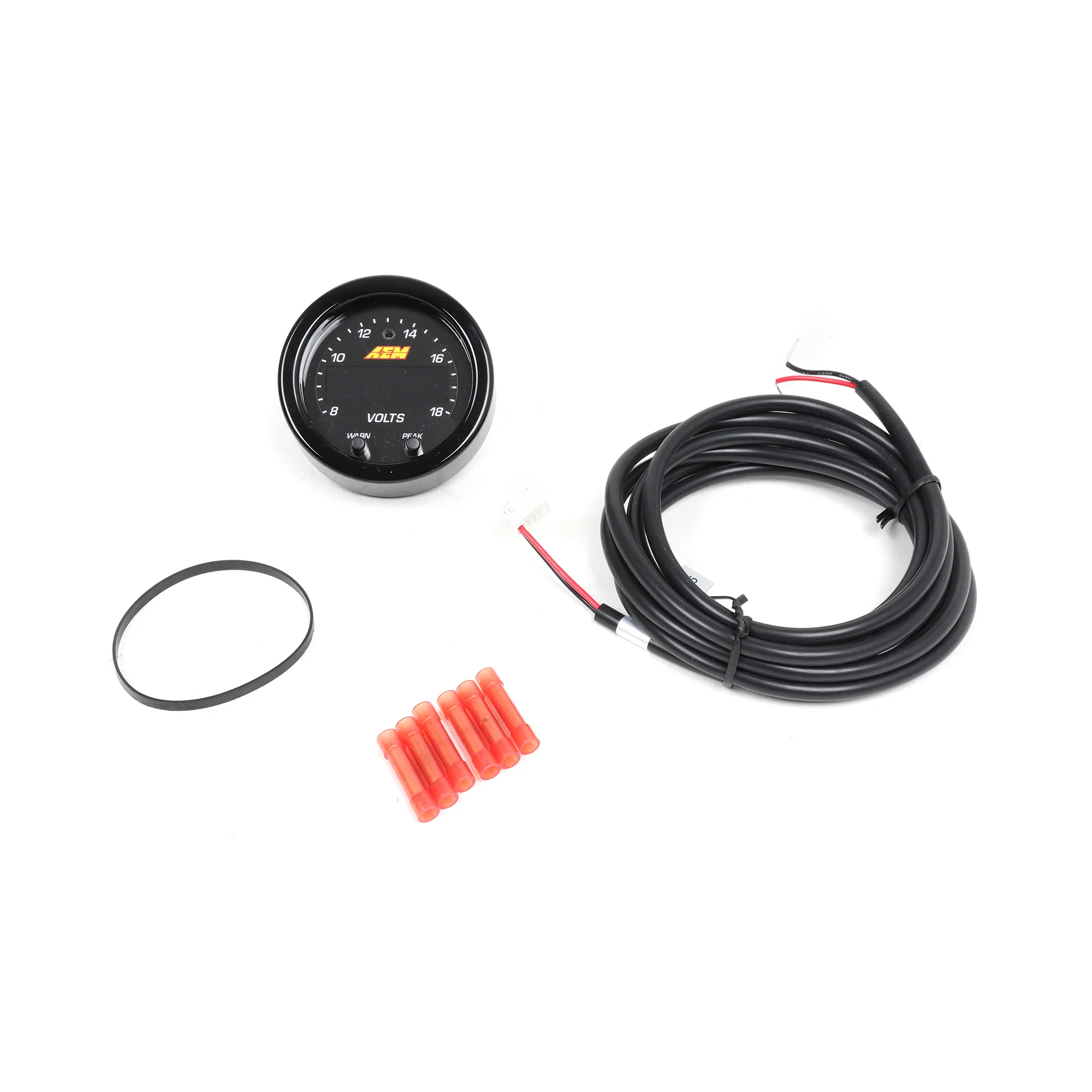
- AEM X-Series universal voltage gauge - 52mm
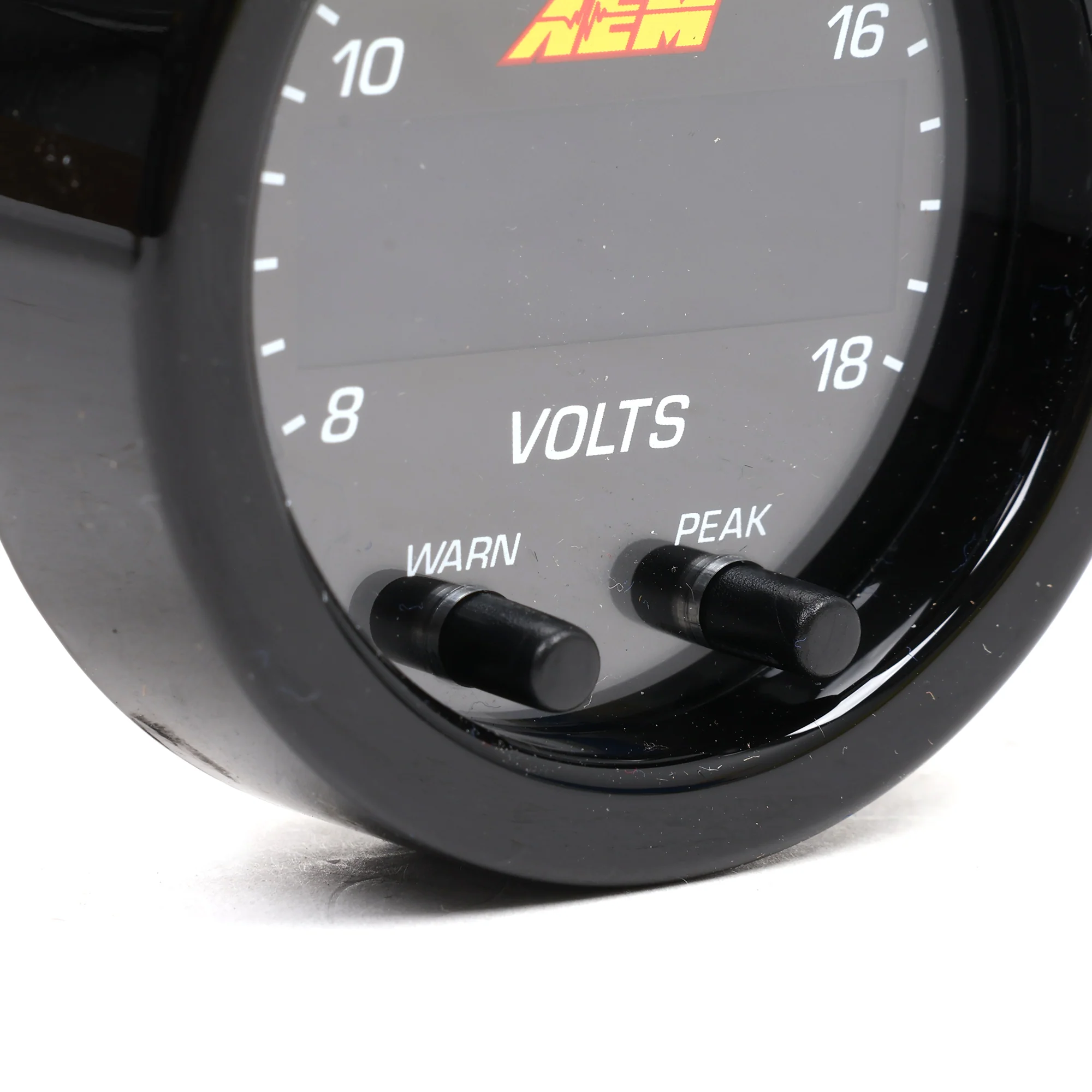
- Voltage range: 8 to 18 volts
- Bright LED display (readable in direct sunlight, auto-dims at night)
- 52mm diameter (fits standard aftermarket gauge pods)
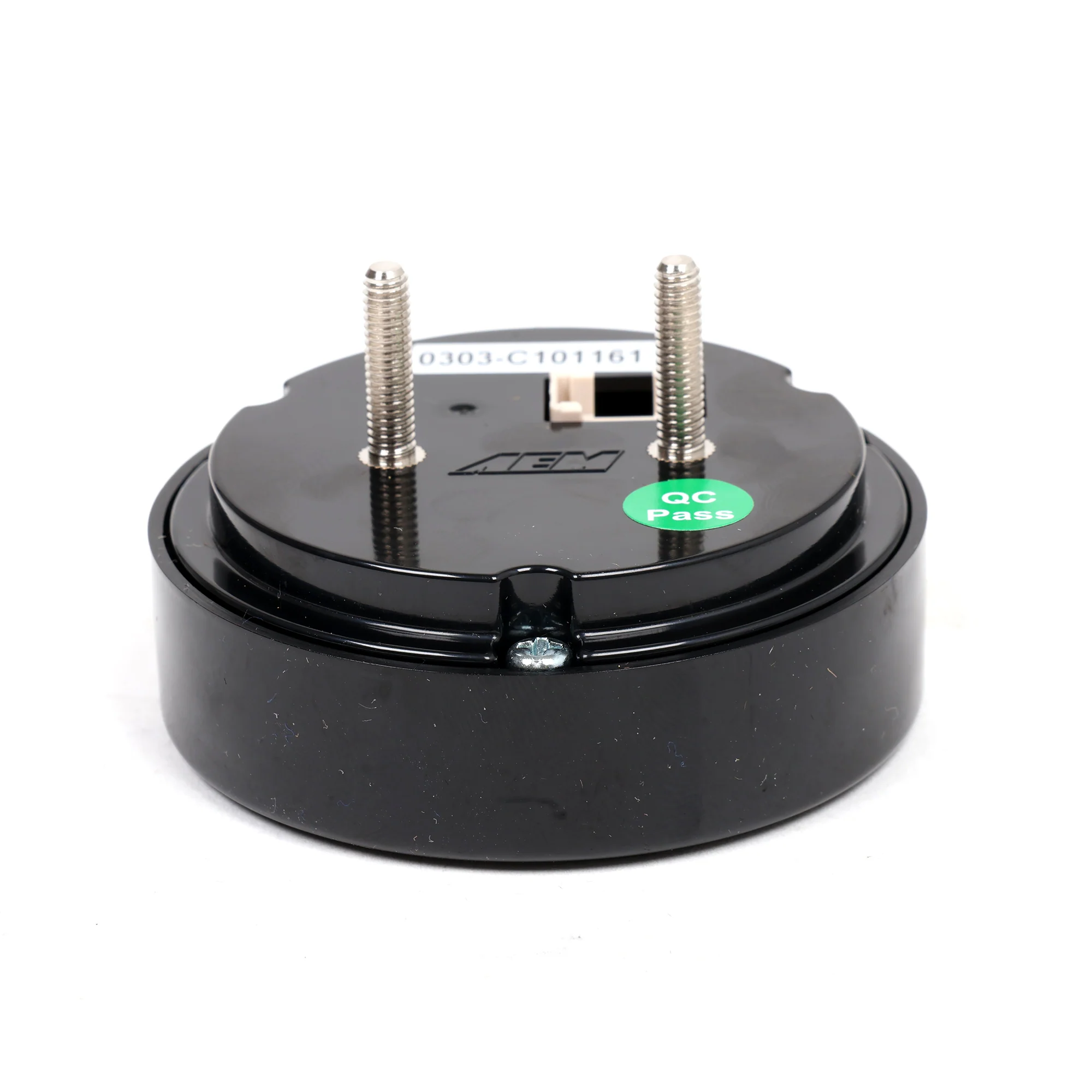
- Includes wiring harness and voltage sensor
- Analog output for data logging
- Universal fitment (works on any vehicle with 12V electrical system)
Note: This is a universal gauge - fits any vehicle with a 12-volt electrical system. Requires 52mm gauge pod or dash panel (not included). Installation requires running power, ground, and sensor wires - basic wiring skills needed. The gauge monitors voltage in real time - healthy charging system should show 13.5-14.5 volts with engine running. Lower voltage (12.5V or less) with engine running means your alternator's not keeping up or your battery's failing. If voltage drops when you turn on accessories (headlights, A/C, stereo) and doesn't recover when you rev the engine, your alternator's too small for your electrical load. Gauge is especially useful if you've upgraded your stereo, fuel pump, lighting, or added electric fans - all of these increase electrical demand on your charging system.
- Universal
-
(1) Voltage Gauge(1) Data Cable(5) Butt Connectors
Original: $182.95
-65%$182.95
$64.03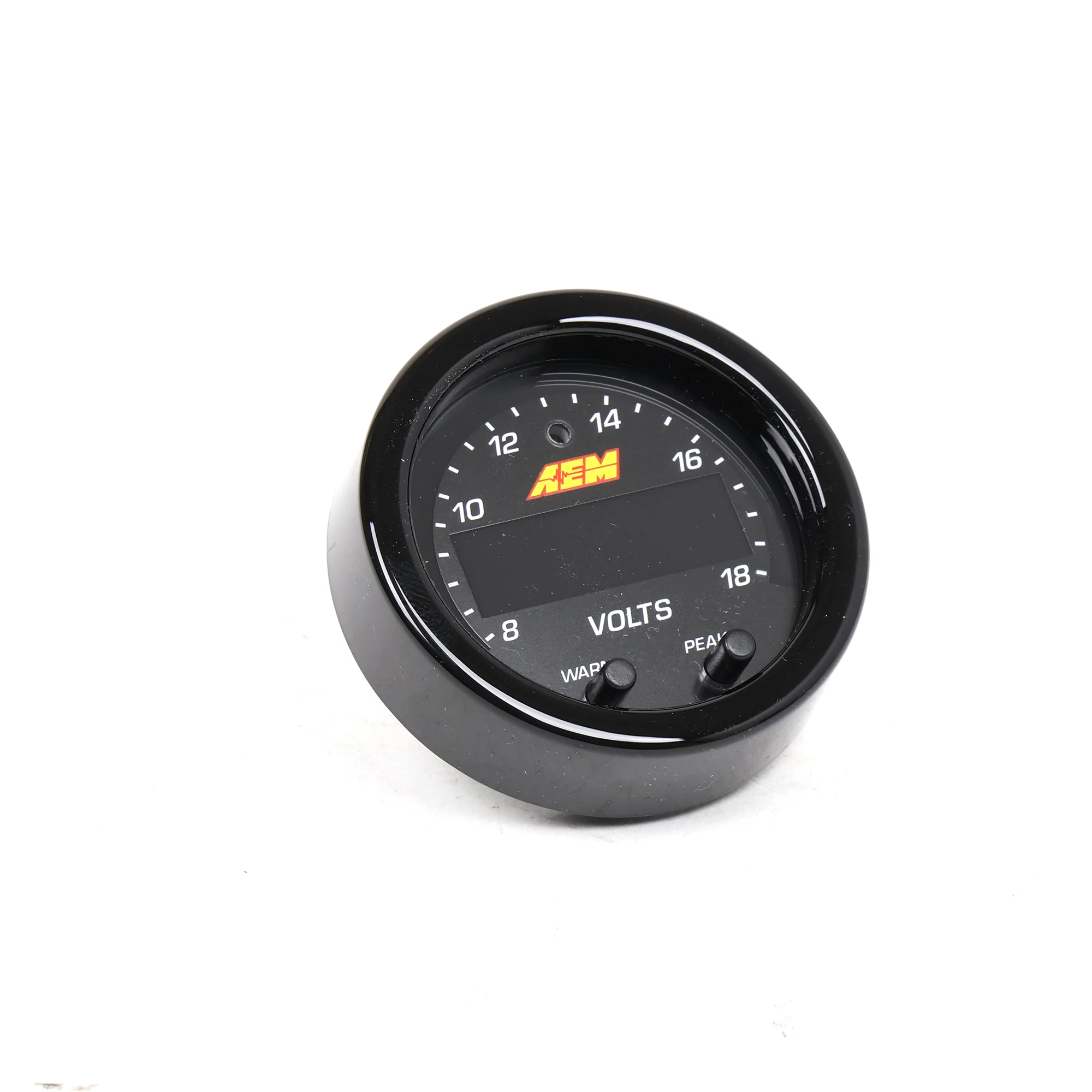

Description
- Real-Time Voltage Monitoring
- 52mm Size Fits Most Gauge Clusters
- Bright, Day/Night Display
- Easy Installation Kit
- Description
- Vehicle Fitment
- Included
-
AEM X-Series Universal Voltage Gauge - 52mm
If you're running an aftermarket stereo, a big fuel pump, upgraded headlights, and maybe an electric fan conversion, your stock alternator's working overtime and you've got no idea if your charging system's keeping up or if you're slowly draining your battery every time you drive. AEM's X-Series voltage gauge shows you exactly what your electrical system's doing in real time. The gauge displays voltage from 8 to 18 volts. You can see if your alternator's charging properly, if your battery's healthy, or if you're about to get stranded because your charging system's failing. This is a 52mm gauge that fits most aftermarket gauge pods and dash panels. It comes with the wiring harness and sensor. You're mounting the gauge, running the wires, and you're done. Now you know what your electrical system's doing instead of guessing.
Here's What Voltage Sag Tells You
Your car's electrical system should run at around 13.5 to 14.5 volts when the engine's running and the alternator's charging. That's your alternator maintaining the battery and powering everything in the car. If you're idling at a stoplight and your voltage drops to 12.5 or 12 volts, your alternator's not keeping up with the electrical load. You're pulling power from the battery to run everything and the battery's getting drained. Drive for an hour like that and your battery's going to be dead. The AEM voltage gauge shows you that voltage drop in real time. You see the number fall when you turn on the headlights, the A/C, and the stereo. If the voltage doesn't recover when you rev the engine, your alternator's not strong enough for your electrical load. You need a bigger alternator or you need to reduce the load. Without the gauge, you don't know there's a problem until your car won't start.
Track Charging System Performance Under Load
If you've upgraded your fuel pump, your ignition system, your stereo, or you've added auxiliary lights, you're pulling more power than the stock electrical system was designed for. The stock alternator on most Hondas is 80-100 amps. That's fine for a stock car. Add a 450-watt stereo amp, a high-flow fuel pump, LED headlights, and an electric fan, and you're pulling 120+ amps. Your alternator can't keep up. The voltage gauge lets you see what's happening. Idle at a stoplight with everything on and watch the voltage. If it's sitting at 13.8 volts, you're fine. The alternator's handling the load. If it drops to 12.8 or 12.5 volts, you're draining the battery. Rev the engine and see if the voltage comes back up. If it does, your alternator's marginal but it's working. If it doesn't, your alternator's toast or it's too small for your electrical system. Either way, you know you've got a problem and you can fix it before you're stuck on the side of the road.
52mm Size Fits Most Gauge Pods
AEM designed the X-Series gauges to fit standard 52mm gauge pods. That's the size most companies use for aftermarket gauge setups. If you've got an A-pillar pod, a dash pod, or a custom gauge panel, this gauge fits. The LED display's bright enough to read in direct sunlight and it dims automatically at night so it's not blinding you when you're driving. The gauge comes with a wiring harness and a voltage sensor. You're running power and ground to the gauge, connecting the voltage sensor to your battery or alternator output, mounting the gauge in your pod, and you're done. The gauge also has an analog output if you're running a data logger. You can record voltage during track sessions or dyno runs to see how your electrical system's performing under load.
When You Need This Gauge
You need a voltage gauge if you've done any electrical upgrades. Aftermarket stereo with a big amp? You need to know if your alternator's keeping up. Upgraded fuel pump for a turbo build? You need to monitor voltage to make sure the pump's getting consistent power. Electric fan conversion? Same thing. LED lights, HID headlights, auxiliary driving lights? All of that pulls power and you need to know if your charging system's handling it. If you're running a built engine with an aftermarket ECU and you're tracking the car, voltage stability matters. If your voltage sags during a track session, your ECU might cut fuel or spark to protect itself. That costs you power and it might even put you into limp mode. A voltage gauge tells you if your electrical system's the problem before you start chasing ghosts with your tune.
What You Get
- AEM X-Series universal voltage gauge - 52mm
- Voltage range: 8 to 18 volts
- Bright LED display (readable in direct sunlight, auto-dims at night)
- 52mm diameter (fits standard aftermarket gauge pods)
- Includes wiring harness and voltage sensor
- Analog output for data logging
- Universal fitment (works on any vehicle with 12V electrical system)
Note: This is a universal gauge - fits any vehicle with a 12-volt electrical system. Requires 52mm gauge pod or dash panel (not included). Installation requires running power, ground, and sensor wires - basic wiring skills needed. The gauge monitors voltage in real time - healthy charging system should show 13.5-14.5 volts with engine running. Lower voltage (12.5V or less) with engine running means your alternator's not keeping up or your battery's failing. If voltage drops when you turn on accessories (headlights, A/C, stereo) and doesn't recover when you rev the engine, your alternator's too small for your electrical load. Gauge is especially useful if you've upgraded your stereo, fuel pump, lighting, or added electric fans - all of these increase electrical demand on your charging system.
- Universal
-
(1) Voltage Gauge(1) Data Cable(5) Butt Connectors