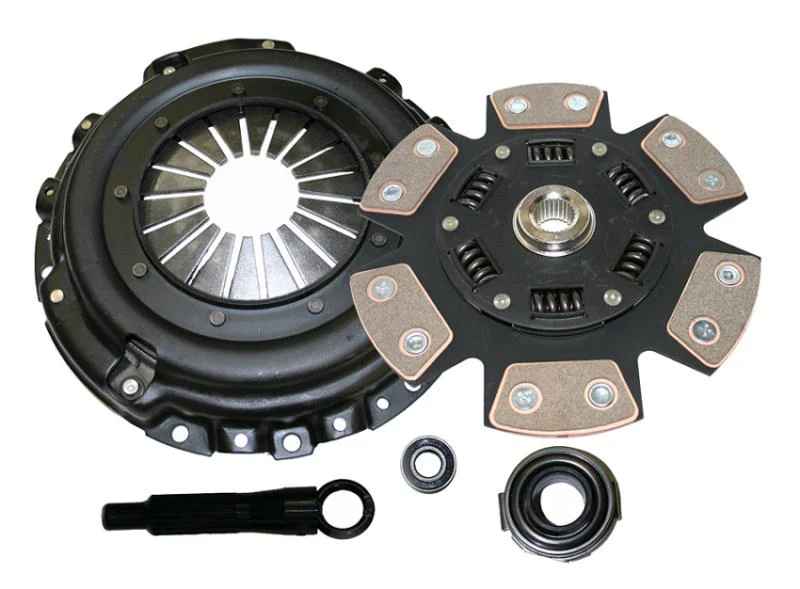
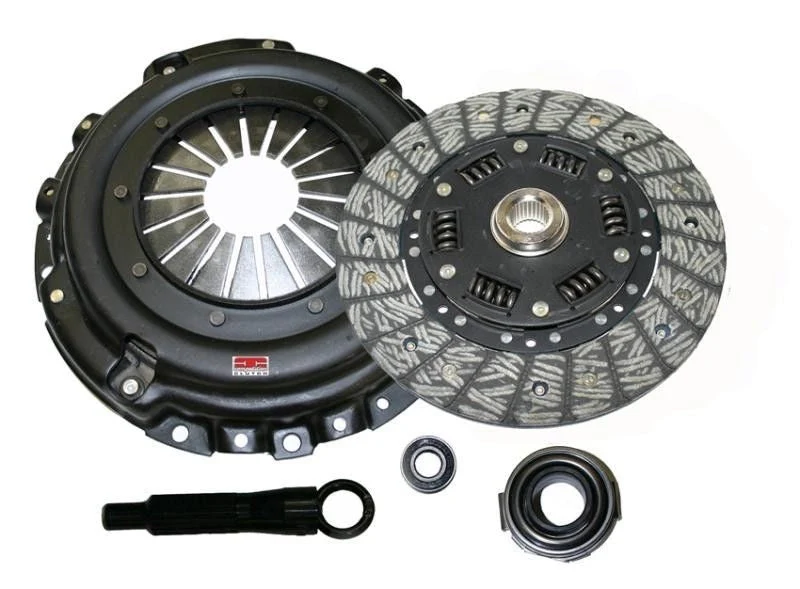
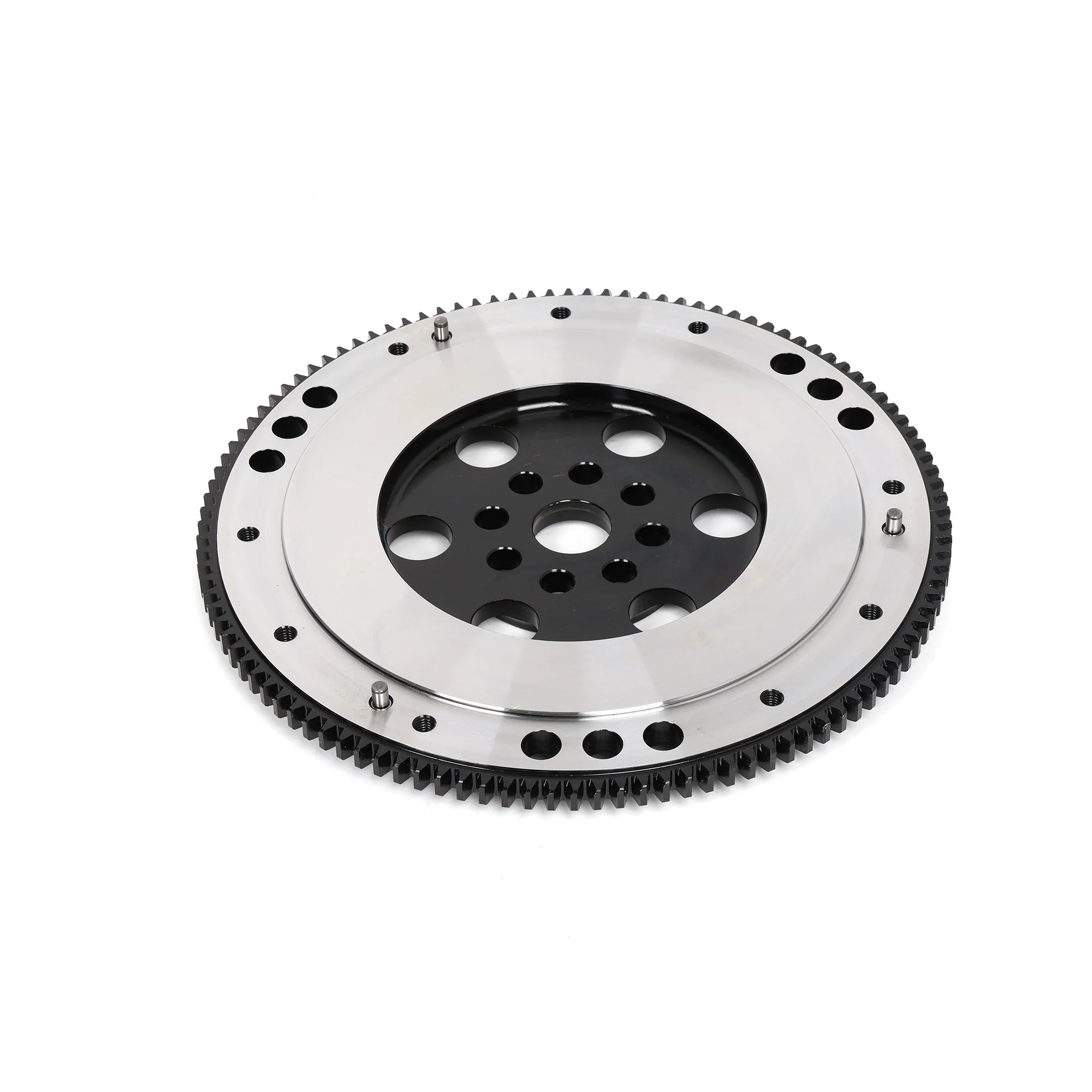
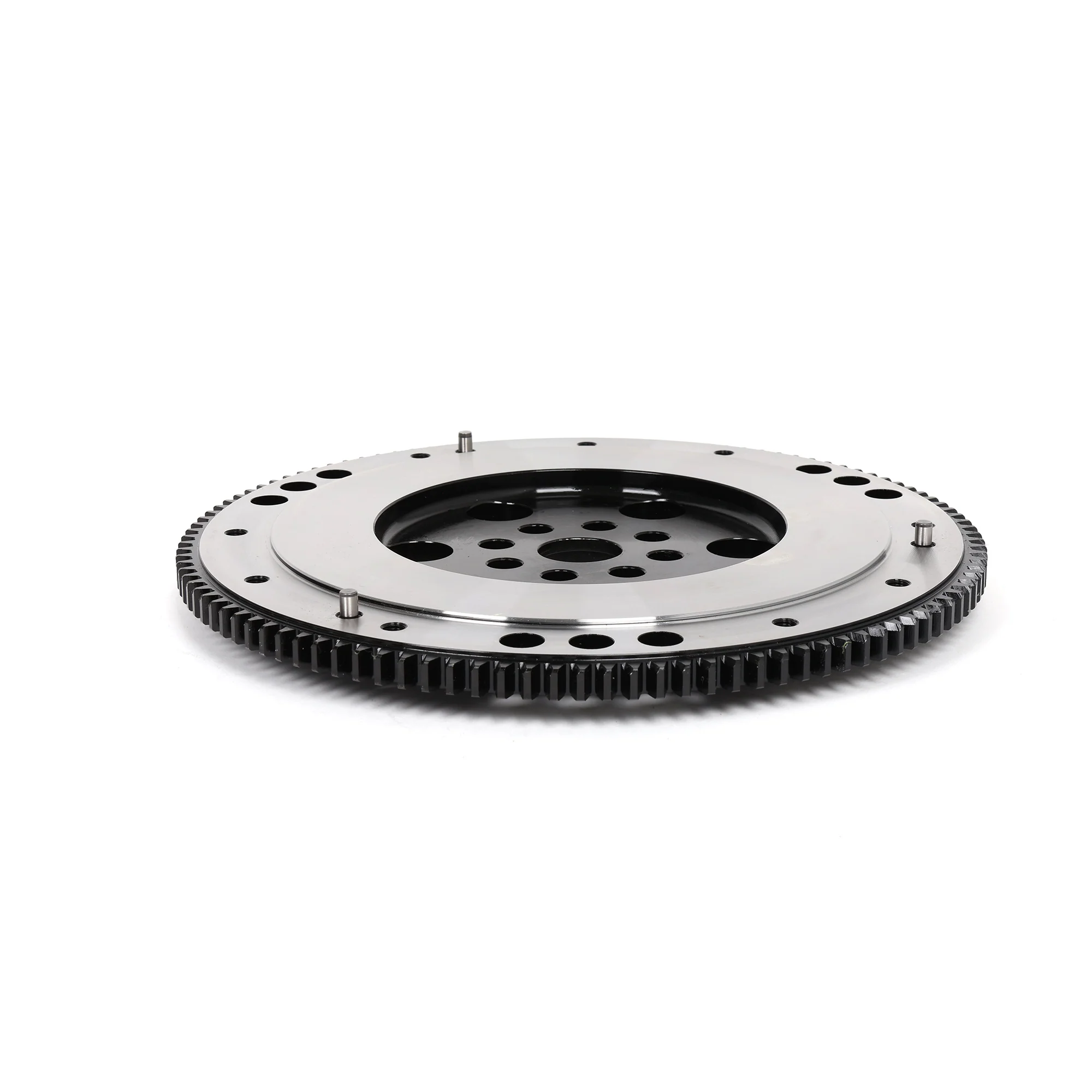
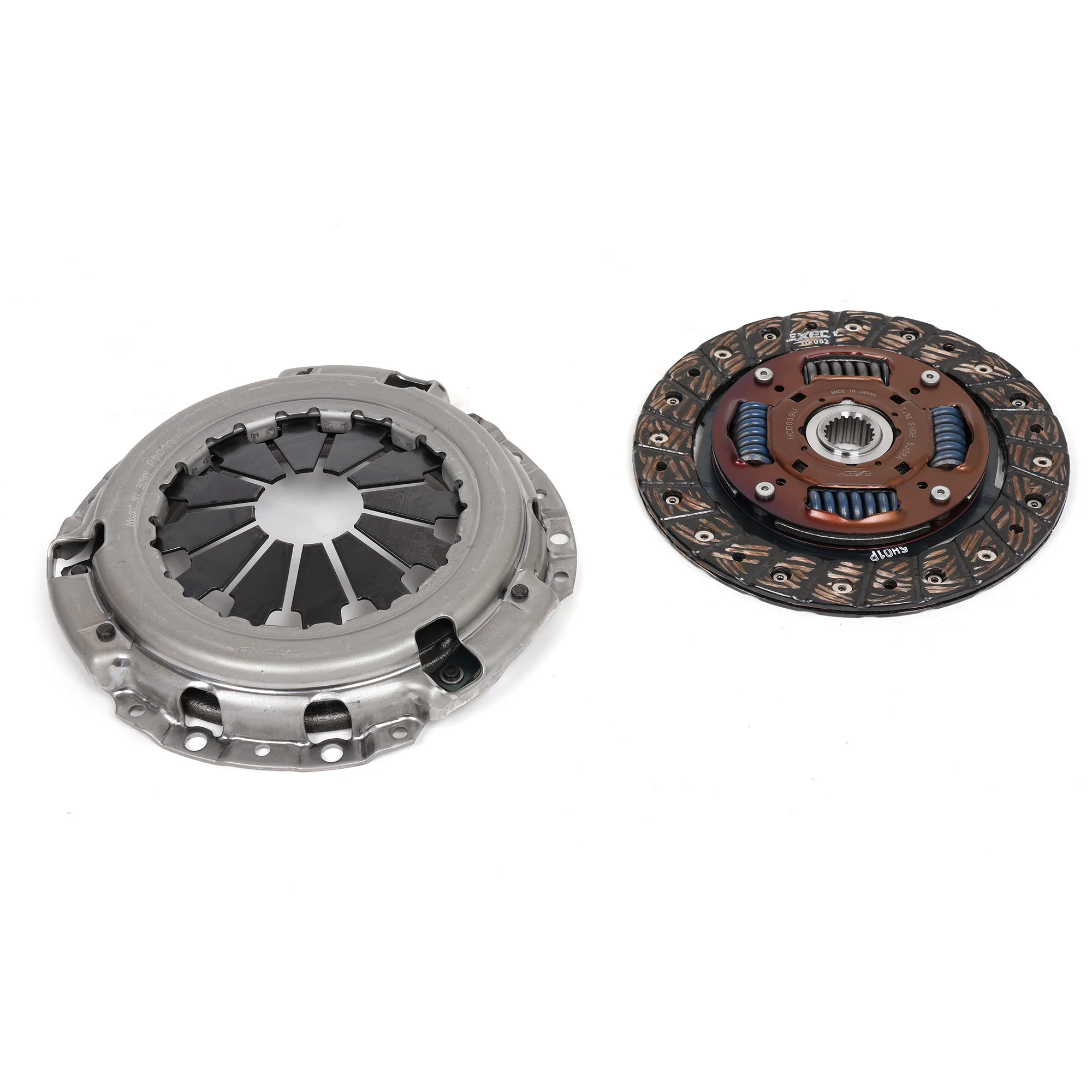
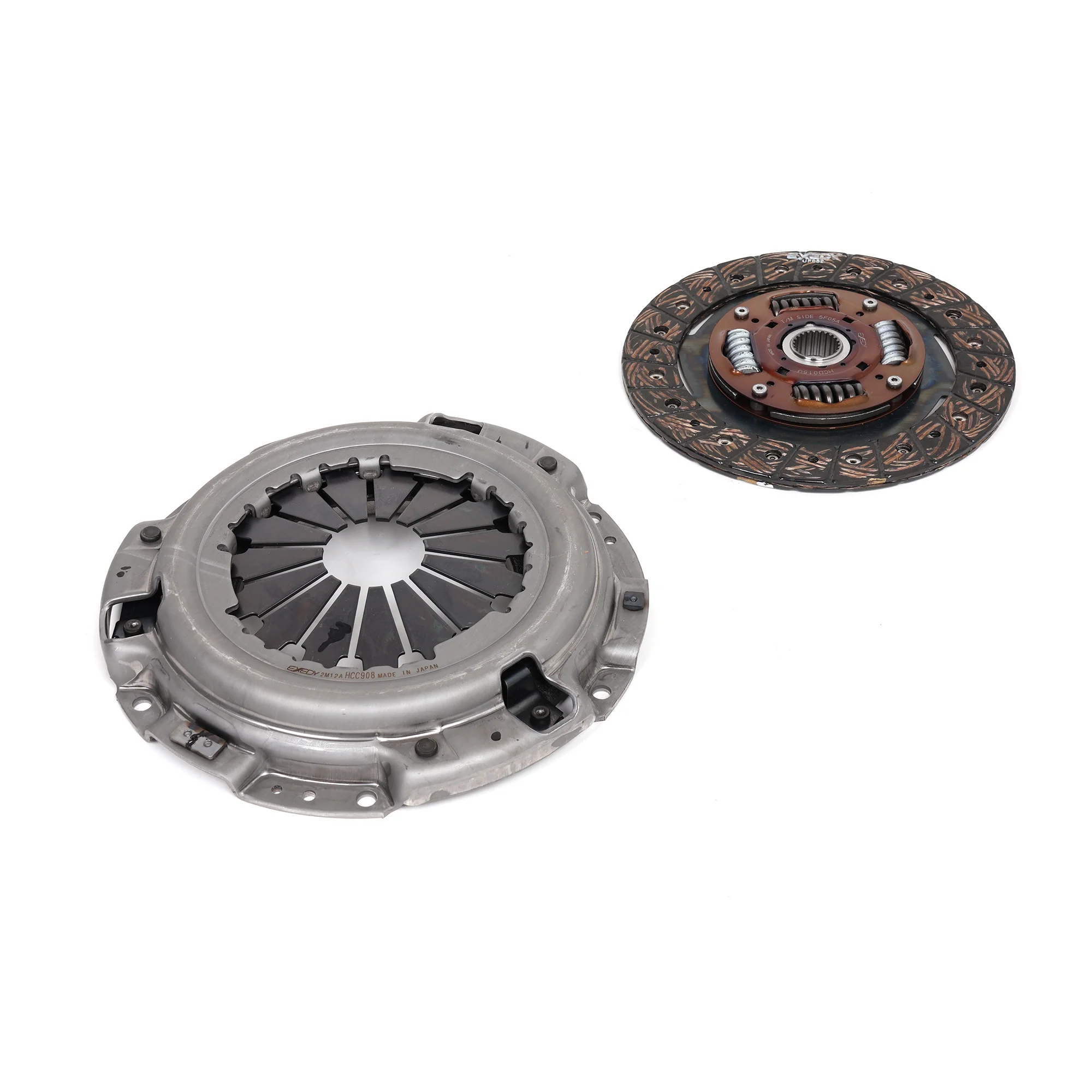
Competition Clutch Flywheel 00-09 Honda S2000 (Ultra-Light)
- Weighs only 9.25 lbs.
- One-piece ring gear for durability.
- CNC machined for precision balance.
- Compatible with performance and stock clutches.
- Exceeds SFI 1.5 safety standards.
- Description
- Vehicle Fitment
- Technical Data
- Install Guide
-
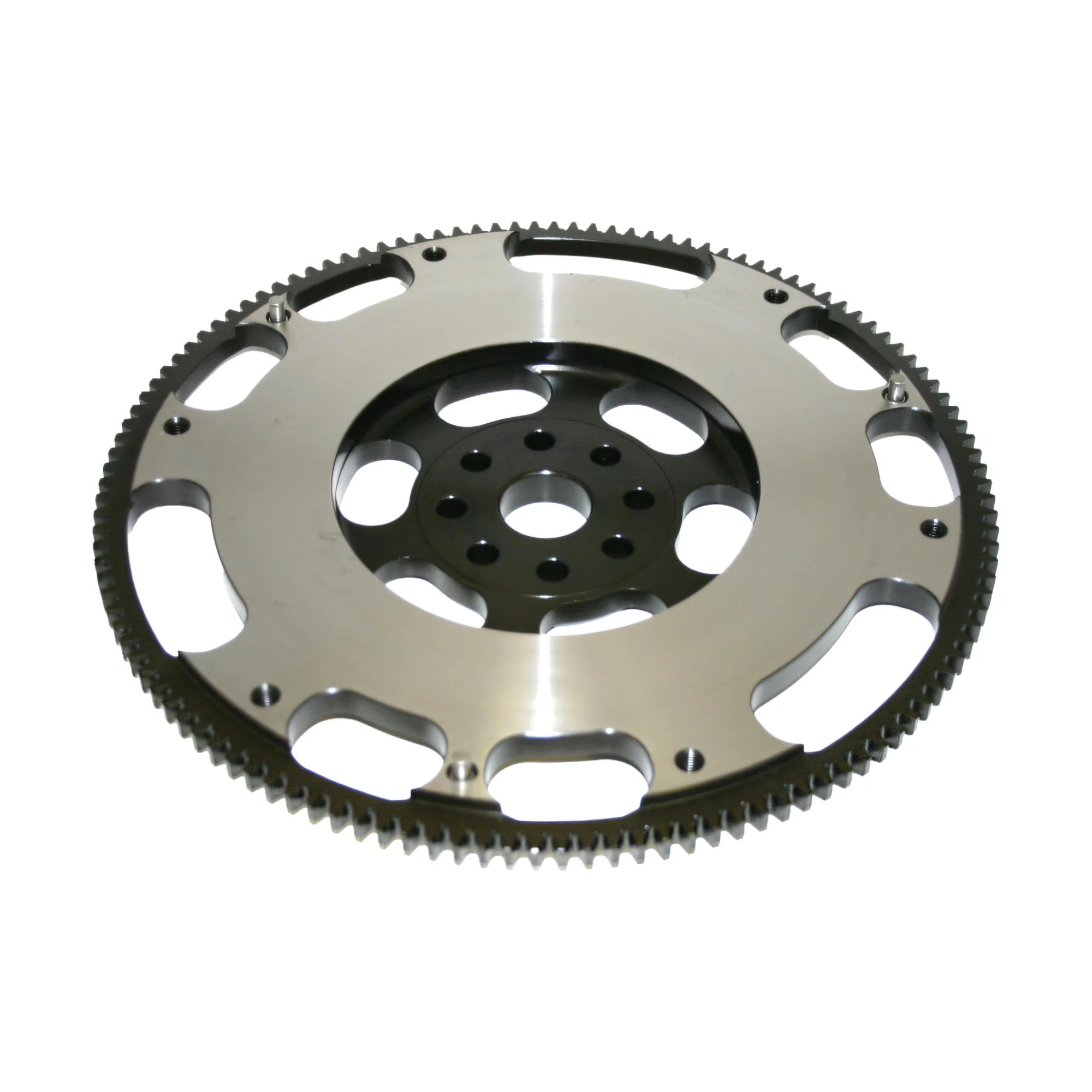
Competition Clutch Ultra-Light Flywheel for Honda S2000
The F20C and F22C were built to live above 6,000 RPM. A lighter flywheel lets them get there faster. The Competition Clutch ultra-light flywheel (2-669-STU) drops your rotating mass down to 9.25 lbs, which is a massive reduction from the factory unit, especially if you're coming from an AP2 where the stock flywheel tips the scale at over 21 lbs. Even AP1 owners are shedding roughly 5 lbs off an already lighter stock unit. That difference shows up immediately in throttle response, rev speed, and how connected the car feels between your right foot and the rear tires.
This is the STU (ultra-light) version. Competition Clutch also makes a heavier ST version at 11.5 lbs for street-focused builds. If you're doing HPDE days, time attack, autox, or building a dedicated track car, the STU is the one to grab. If your S2000 mostly sits in traffic and only sees the occasional canyon run, the 11.5 lb ST version will give you a noticeable improvement without as much change to low-speed drivability.
Why It Matters on the S2000 Specifically
The S2000 is one of the best cases for a lightweight flywheel in the entire Honda lineup. Here's why: the F20C redlines at 8,800+ RPM and the F22C at 7,800. That's a huge rev range to work through on every shift. A lighter flywheel lets the engine accelerate and decelerate through that range faster, which directly translates to quicker shifts and better rev matching on downshifts. Heel-toe gets noticeably more precise because the engine responds to blips almost instantly instead of slowly climbing up to match.
On track, faster rev recovery between shifts keeps you in the powerband on corner exit. You'll see it in your data. Off track, the car just feels sharper and more alive, like the engine is responding to your inputs without the lag of all that extra rotating mass.
The Trade-offs (Read This Before You Buy)
We're not going to pretend this is a zero-compromise upgrade. At 9.25 lbs, this is a race-weight flywheel and it behaves like one. Here's what to expect:
- Idle will be rougher. Less rotating mass means less energy smoothing out combustion pulses. Some gear chatter at idle is normal and expected.
- First gear takeoffs require more finesse. RPM drops faster when you lift off the throttle, so you'll need to give it a little more gas and be smoother with the clutch when pulling away from a stop. You will stall it a few times while you adjust.
- Low-speed driving feels more raw. In stop-and-go traffic, you'll notice the engine is less willing to just "lug along" at low RPM. The car wants to be driven, not babied.
- Some chatter is normal. This is common across all lightweight steel flywheels, not just this one. It's not a defect.
If those trade-offs sound like dealbreakers for your daily commute, seriously consider the 11.5 lb ST version instead. It preserves more low-end drivability while still being significantly lighter than stock. For dedicated track cars, though, the STU is the better tool for the job.
How It Compares
Flywheel Weight Material Best For OEM AP2 (2004-2009) ~21 lbs Cast Iron Stock replacement, maximum smoothness OEM AP1 (2000-2003) ~14 lbs Cast Iron Budget upgrade for AP2 owners, good daily balance ACT Streetlite (600355) 11.2 lbs Chromoly Steel Street/strip, moderate weight reduction Competition Clutch ST (2-669-ST) 11.5 lbs 4140 Forged Steel Street/strip, preserves more drivability Competition Clutch STU (2-669-STU) 9.25 lbs 4140 Forged Steel Track, time attack, forced induction builds Fidanza ~8 lbs 6061 Aluminum w/ Steel Insert Maximum weight reduction, requires insert resurfacing The Competition Clutch STU sits in that sweet spot: light enough to make a real difference at the track, but still full steel construction so you're not dealing with replaceable inserts or the durability concerns that come with aluminum flywheels. The one-piece steel design can be resurfaced when it's time for a new clutch instead of needing replacement parts.
Construction and Specs
-
4140 Forged Steel
Stamped with 2,000 tons of pressure at 1,260°F, then CNC machined and balanced to OE specs. This is the same material spec used in high-load motorsport applications. It handles repeated high-RPM clutch drops, hard launches, and back-to-back track sessions without issues. -
One-Piece Integrated Ring Gear
No pressed-on ring gear that can walk, slip, or shear under abuse. The one-piece design also provides more uniform heat transfer across the friction surface, which reduces the chance of hot spots and warping. -
SFI 1.5 Certified
Meets the safety standard required for competition use. If you're running SCCA, NASA, or HPDE events, this checks the box. It matters when you're hanging at 8,000+ RPM for an entire session. -
Resurfaceable
When it's time for a new clutch, you can resurface the flywheel friction surface rather than replacing the whole unit. That saves you money over the life of the part.
Important Notes for AP2 Owners (2004-2009)
If you're coming from the stock AP2 flywheel, you're dropping over 12 lbs of rotating mass. That's a dramatic change. Two things to consider:
- AP1 Slave Cylinder Swap: The AP2 slave cylinder has a clutch delay valve (CDV) built in. Honda added it to smooth out clutch engagement and protect the drivetrain from the heavier AP2 flywheel's inertia. With a lightweight flywheel, the CDV works against you: it slows clutch engagement and can cause slippage during fast shifts. Most S2000 owners running lightweight flywheels swap to the AP1 slave cylinder (part number 46930-S2A-003), which doesn't have the CDV. It's a direct bolt-on replacement and gives you a more direct, mechanical clutch feel.
- Clutch Pairing: Competition Clutch recommends the STU with Stage 3 and up clutch kits. If you're running a stock or Stage 1 clutch, the 11.5 lb ST version is the better match. The ultra-light flywheel combined with an aggressive clutch disc can make stop-and-go traffic genuinely unpleasant, so match the flywheel to how you actually use the car.
Clutch Compatibility
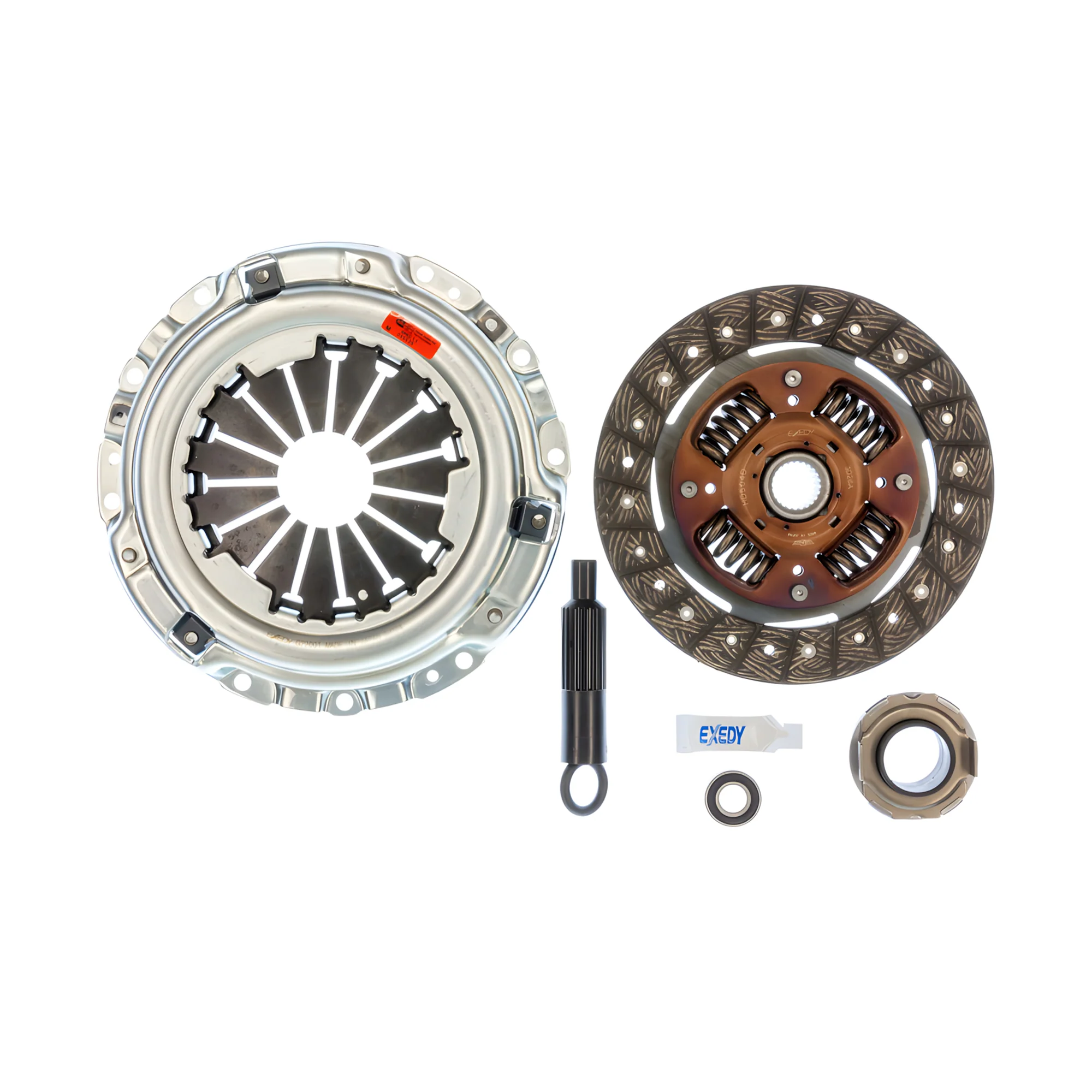
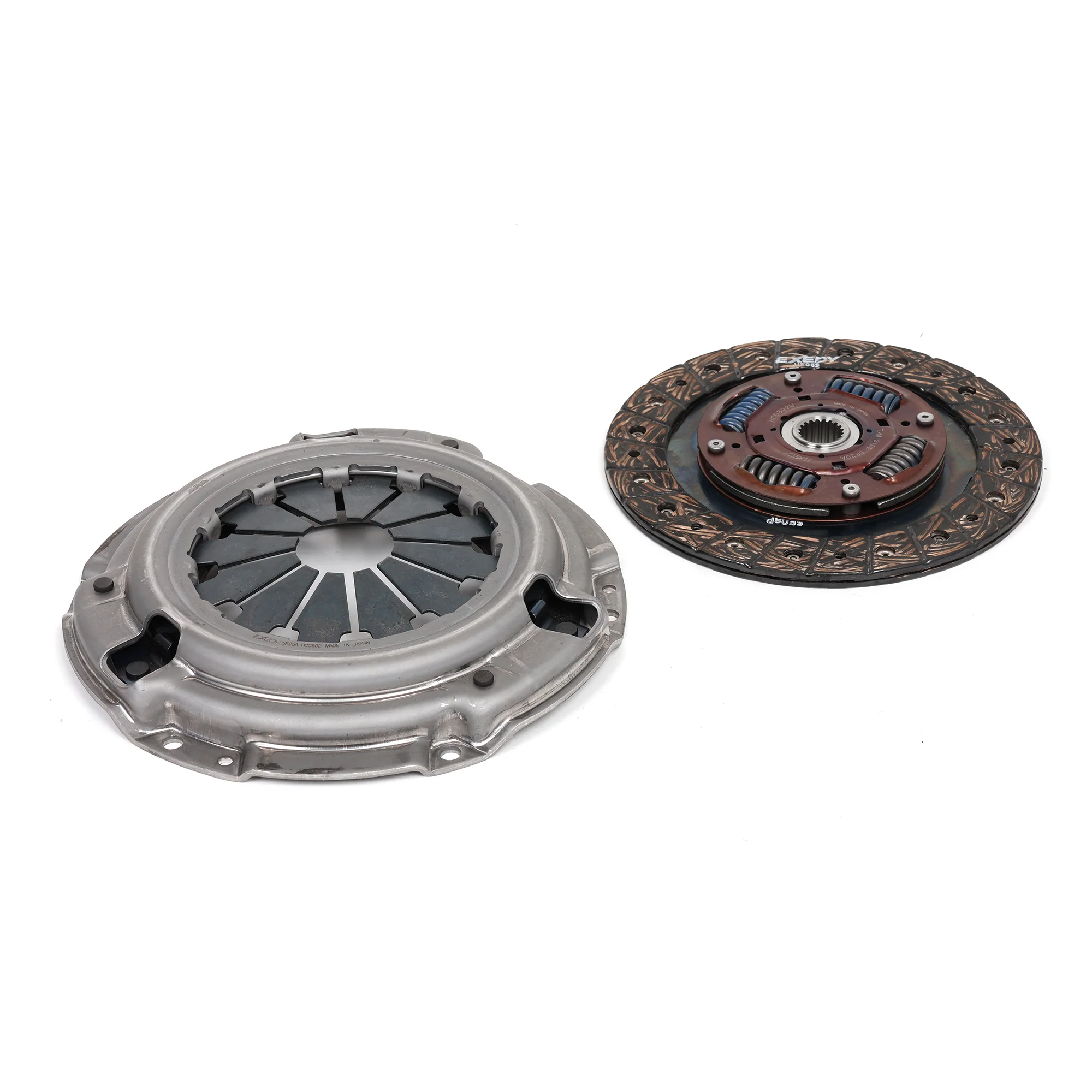
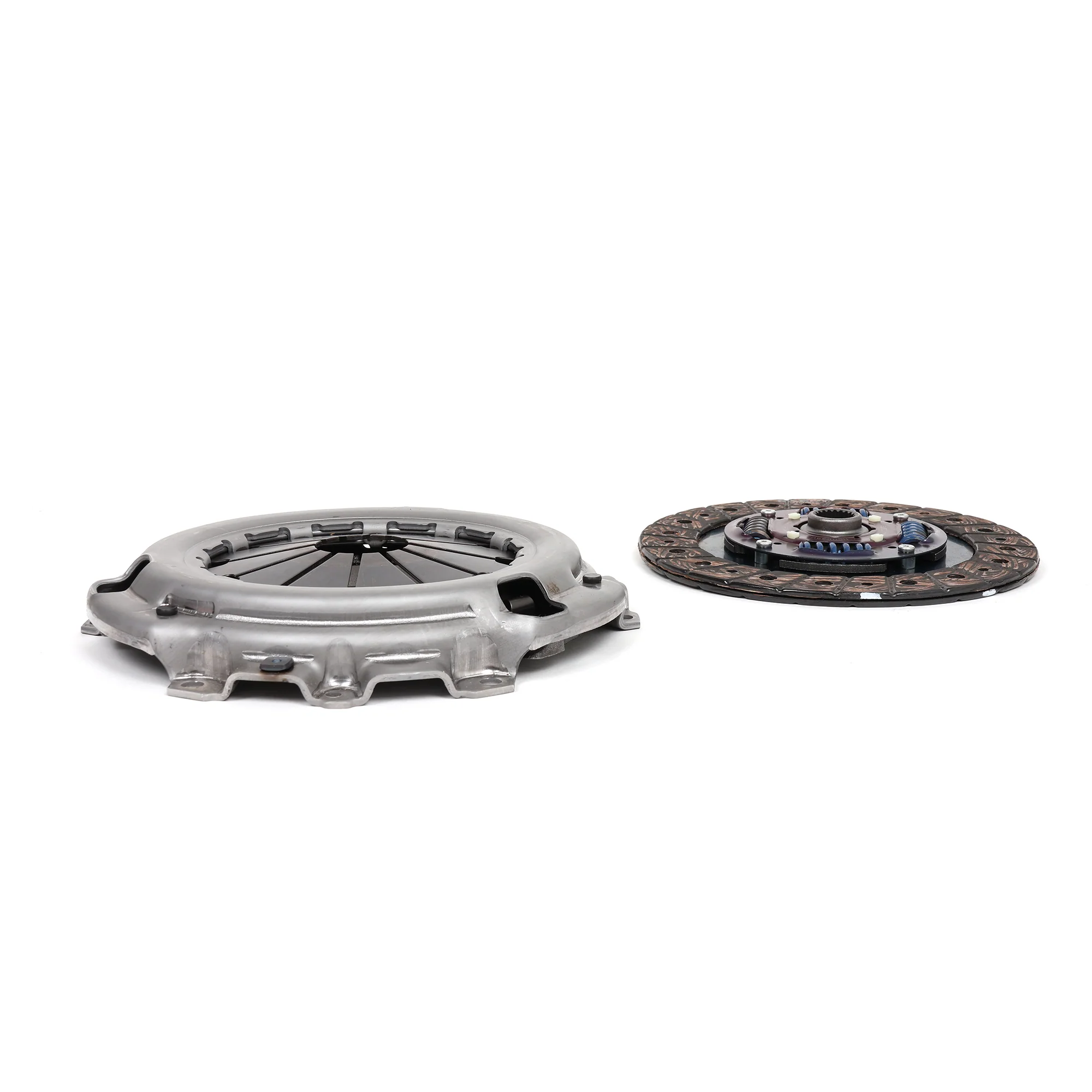
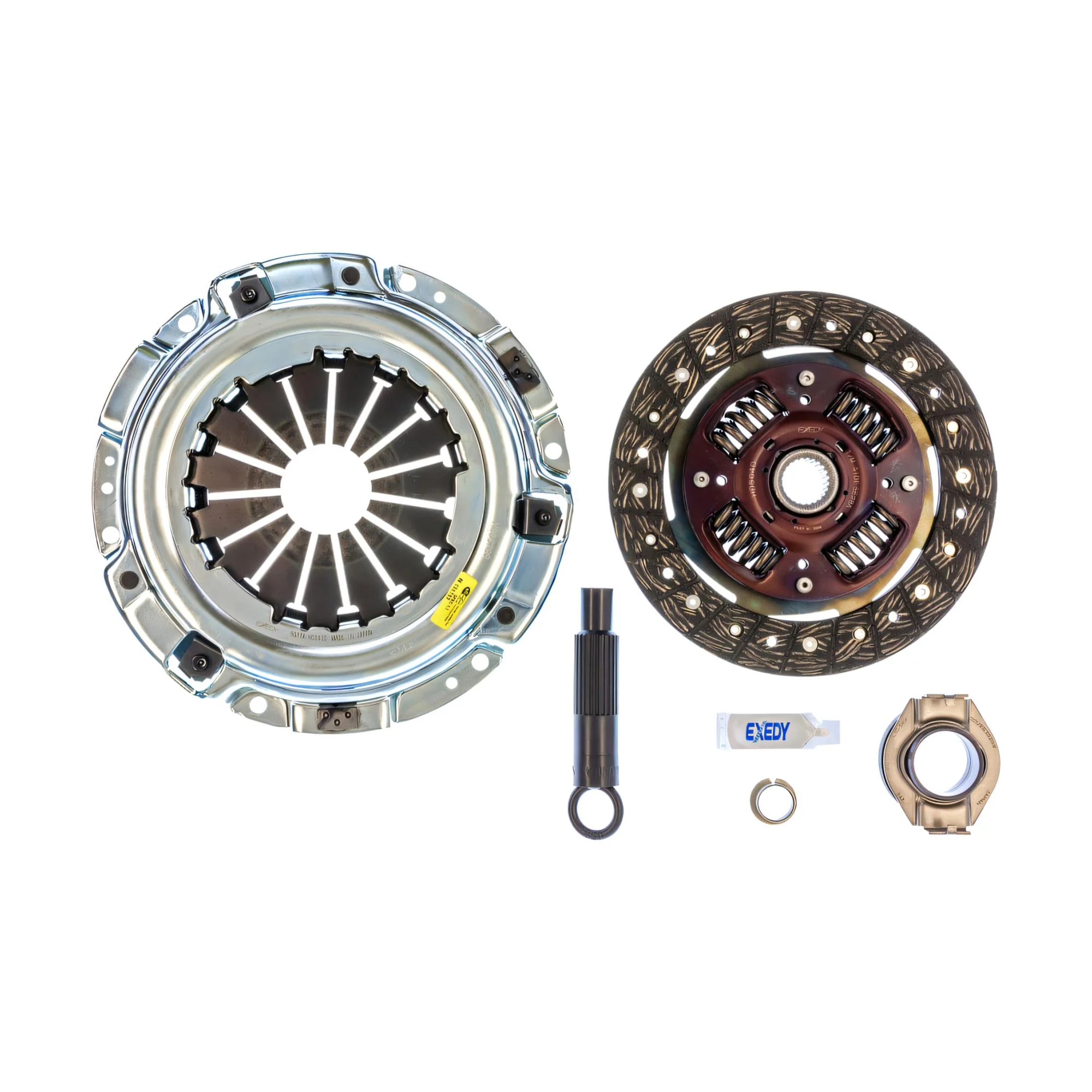
This flywheel works with all stock and aftermarket clutch assemblies for the S2000. That said, the ultra-light weight pairs best with Stage 3+ setups where you want maximum response. Common pairings in the S2000 community include Competition Clutch Stage 3 and Stage 4 kits, ACT heavy-duty pressure plates with OEM discs, and Exedy Stage 1 and Stage 2 kits. It also works well in forced induction S2000 builds (turbo or supercharged) where fast rev recovery between shifts really matters.
Vehicle Fitment
Vehicle Years Engine Honda S2000 (AP1) 2000-2003 F20C (2.0L) Honda S2000 (AP2) 2004-2009 F22C1 (2.2L) Honda S2000 CR 2008-2009 F22C1 (2.2L) Part Number: 2-669-STU (Hybrid Racing SKU: COC-2-669-STU)
Weight: 9.25 lbs
Material: 4140 Forged Steel
Certification: SFI 1.5
Note: Does not include release bearing.Who Should Buy This
If you're building a track-focused S2000, doing time attack, running HPDE events, or have a forced induction setup where rev speed between shifts matters, this is the flywheel to run. It's proven, it's rebuildable, and it's SFI certified for competition. If you're mostly daily driving with the occasional spirited weekend run, take a look at the Competition Clutch ST (11.5 lbs) instead. It'll still wake up the car without making your commute miserable.
-
2000-2005 Honda S2000
2006-2009 Honda S2000
Description
- Weighs only 9.25 lbs.
- One-piece ring gear for durability.
- CNC machined for precision balance.
- Compatible with performance and stock clutches.
- Exceeds SFI 1.5 safety standards.
- Description
- Vehicle Fitment
- Technical Data
- Install Guide
-
Competition Clutch Ultra-Light Flywheel for Honda S2000
The F20C and F22C were built to live above 6,000 RPM. A lighter flywheel lets them get there faster. The Competition Clutch ultra-light flywheel (2-669-STU) drops your rotating mass down to 9.25 lbs, which is a massive reduction from the factory unit, especially if you're coming from an AP2 where the stock flywheel tips the scale at over 21 lbs. Even AP1 owners are shedding roughly 5 lbs off an already lighter stock unit. That difference shows up immediately in throttle response, rev speed, and how connected the car feels between your right foot and the rear tires.
This is the STU (ultra-light) version. Competition Clutch also makes a heavier ST version at 11.5 lbs for street-focused builds. If you're doing HPDE days, time attack, autox, or building a dedicated track car, the STU is the one to grab. If your S2000 mostly sits in traffic and only sees the occasional canyon run, the 11.5 lb ST version will give you a noticeable improvement without as much change to low-speed drivability.
Why It Matters on the S2000 Specifically
The S2000 is one of the best cases for a lightweight flywheel in the entire Honda lineup. Here's why: the F20C redlines at 8,800+ RPM and the F22C at 7,800. That's a huge rev range to work through on every shift. A lighter flywheel lets the engine accelerate and decelerate through that range faster, which directly translates to quicker shifts and better rev matching on downshifts. Heel-toe gets noticeably more precise because the engine responds to blips almost instantly instead of slowly climbing up to match.
On track, faster rev recovery between shifts keeps you in the powerband on corner exit. You'll see it in your data. Off track, the car just feels sharper and more alive, like the engine is responding to your inputs without the lag of all that extra rotating mass.
The Trade-offs (Read This Before You Buy)
We're not going to pretend this is a zero-compromise upgrade. At 9.25 lbs, this is a race-weight flywheel and it behaves like one. Here's what to expect:
- Idle will be rougher. Less rotating mass means less energy smoothing out combustion pulses. Some gear chatter at idle is normal and expected.
- First gear takeoffs require more finesse. RPM drops faster when you lift off the throttle, so you'll need to give it a little more gas and be smoother with the clutch when pulling away from a stop. You will stall it a few times while you adjust.
- Low-speed driving feels more raw. In stop-and-go traffic, you'll notice the engine is less willing to just "lug along" at low RPM. The car wants to be driven, not babied.
- Some chatter is normal. This is common across all lightweight steel flywheels, not just this one. It's not a defect.
If those trade-offs sound like dealbreakers for your daily commute, seriously consider the 11.5 lb ST version instead. It preserves more low-end drivability while still being significantly lighter than stock. For dedicated track cars, though, the STU is the better tool for the job.
How It Compares
Flywheel Weight Material Best For OEM AP2 (2004-2009) ~21 lbs Cast Iron Stock replacement, maximum smoothness OEM AP1 (2000-2003) ~14 lbs Cast Iron Budget upgrade for AP2 owners, good daily balance ACT Streetlite (600355) 11.2 lbs Chromoly Steel Street/strip, moderate weight reduction Competition Clutch ST (2-669-ST) 11.5 lbs 4140 Forged Steel Street/strip, preserves more drivability Competition Clutch STU (2-669-STU) 9.25 lbs 4140 Forged Steel Track, time attack, forced induction builds Fidanza ~8 lbs 6061 Aluminum w/ Steel Insert Maximum weight reduction, requires insert resurfacing The Competition Clutch STU sits in that sweet spot: light enough to make a real difference at the track, but still full steel construction so you're not dealing with replaceable inserts or the durability concerns that come with aluminum flywheels. The one-piece steel design can be resurfaced when it's time for a new clutch instead of needing replacement parts.
Construction and Specs
-
4140 Forged Steel
Stamped with 2,000 tons of pressure at 1,260°F, then CNC machined and balanced to OE specs. This is the same material spec used in high-load motorsport applications. It handles repeated high-RPM clutch drops, hard launches, and back-to-back track sessions without issues. -
One-Piece Integrated Ring Gear
No pressed-on ring gear that can walk, slip, or shear under abuse. The one-piece design also provides more uniform heat transfer across the friction surface, which reduces the chance of hot spots and warping. -
SFI 1.5 Certified
Meets the safety standard required for competition use. If you're running SCCA, NASA, or HPDE events, this checks the box. It matters when you're hanging at 8,000+ RPM for an entire session. -
Resurfaceable
When it's time for a new clutch, you can resurface the flywheel friction surface rather than replacing the whole unit. That saves you money over the life of the part.
Important Notes for AP2 Owners (2004-2009)
If you're coming from the stock AP2 flywheel, you're dropping over 12 lbs of rotating mass. That's a dramatic change. Two things to consider:
- AP1 Slave Cylinder Swap: The AP2 slave cylinder has a clutch delay valve (CDV) built in. Honda added it to smooth out clutch engagement and protect the drivetrain from the heavier AP2 flywheel's inertia. With a lightweight flywheel, the CDV works against you: it slows clutch engagement and can cause slippage during fast shifts. Most S2000 owners running lightweight flywheels swap to the AP1 slave cylinder (part number 46930-S2A-003), which doesn't have the CDV. It's a direct bolt-on replacement and gives you a more direct, mechanical clutch feel.
- Clutch Pairing: Competition Clutch recommends the STU with Stage 3 and up clutch kits. If you're running a stock or Stage 1 clutch, the 11.5 lb ST version is the better match. The ultra-light flywheel combined with an aggressive clutch disc can make stop-and-go traffic genuinely unpleasant, so match the flywheel to how you actually use the car.
Clutch Compatibility
This flywheel works with all stock and aftermarket clutch assemblies for the S2000. That said, the ultra-light weight pairs best with Stage 3+ setups where you want maximum response. Common pairings in the S2000 community include Competition Clutch Stage 3 and Stage 4 kits, ACT heavy-duty pressure plates with OEM discs, and Exedy Stage 1 and Stage 2 kits. It also works well in forced induction S2000 builds (turbo or supercharged) where fast rev recovery between shifts really matters.
Vehicle Fitment
Vehicle Years Engine Honda S2000 (AP1) 2000-2003 F20C (2.0L) Honda S2000 (AP2) 2004-2009 F22C1 (2.2L) Honda S2000 CR 2008-2009 F22C1 (2.2L) Part Number: 2-669-STU (Hybrid Racing SKU: COC-2-669-STU)
Weight: 9.25 lbs
Material: 4140 Forged Steel
Certification: SFI 1.5
Note: Does not include release bearing.Who Should Buy This
If you're building a track-focused S2000, doing time attack, running HPDE events, or have a forced induction setup where rev speed between shifts matters, this is the flywheel to run. It's proven, it's rebuildable, and it's SFI certified for competition. If you're mostly daily driving with the occasional spirited weekend run, take a look at the Competition Clutch ST (11.5 lbs) instead. It'll still wake up the car without making your commute miserable.
-
2000-2005 Honda S2000
2006-2009 Honda S2000