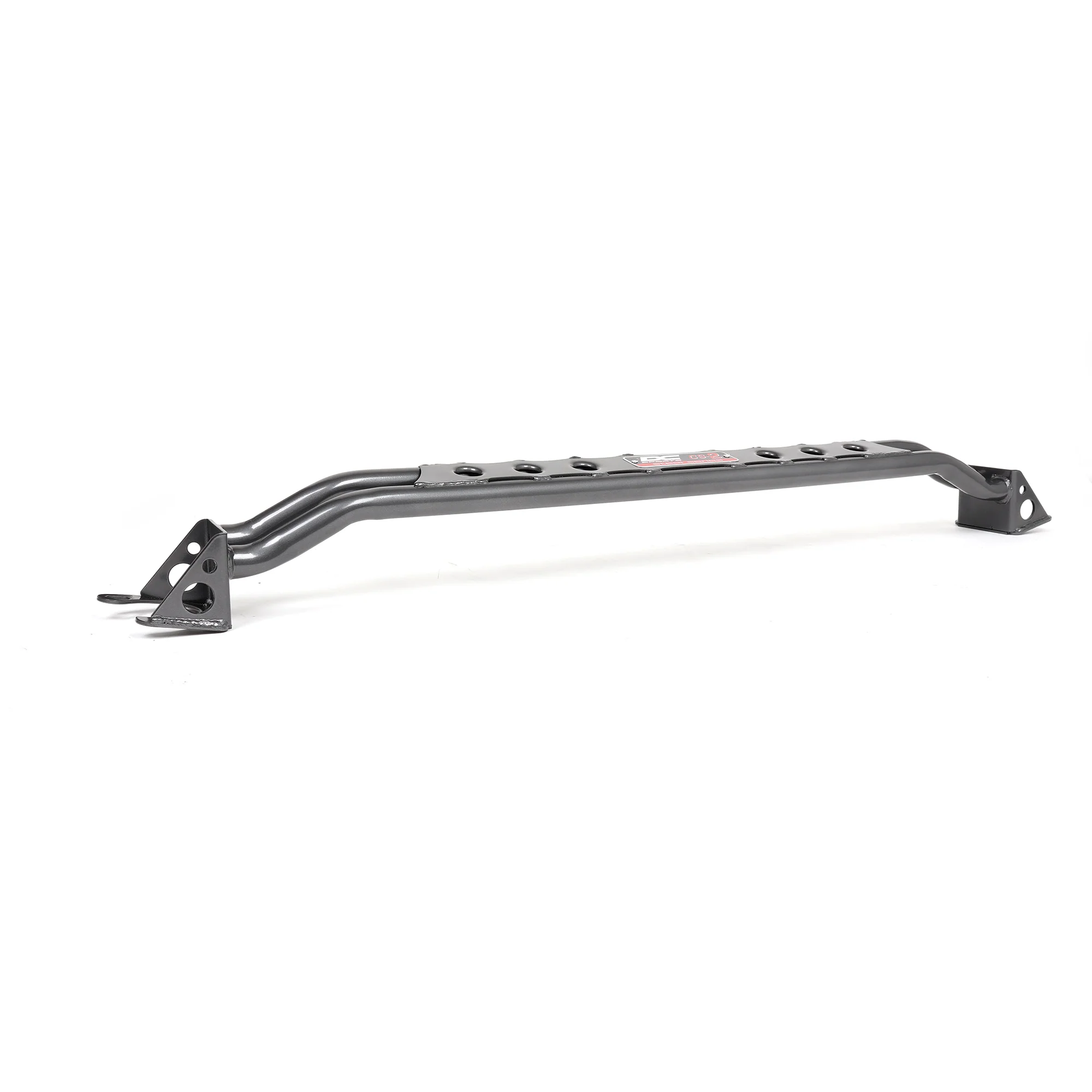
DC Sports Front Strut Bar for 99-00 Civic Si/94-01 Integra
- Strong Dual Bar Design
- Reduces Chassis Flex
- Clears Aftermarket Manifolds
- Fits EM1 Civic Si and 94-01 Integra
- Description
- Vehicle Fitment
- Included
- Install Guide
-
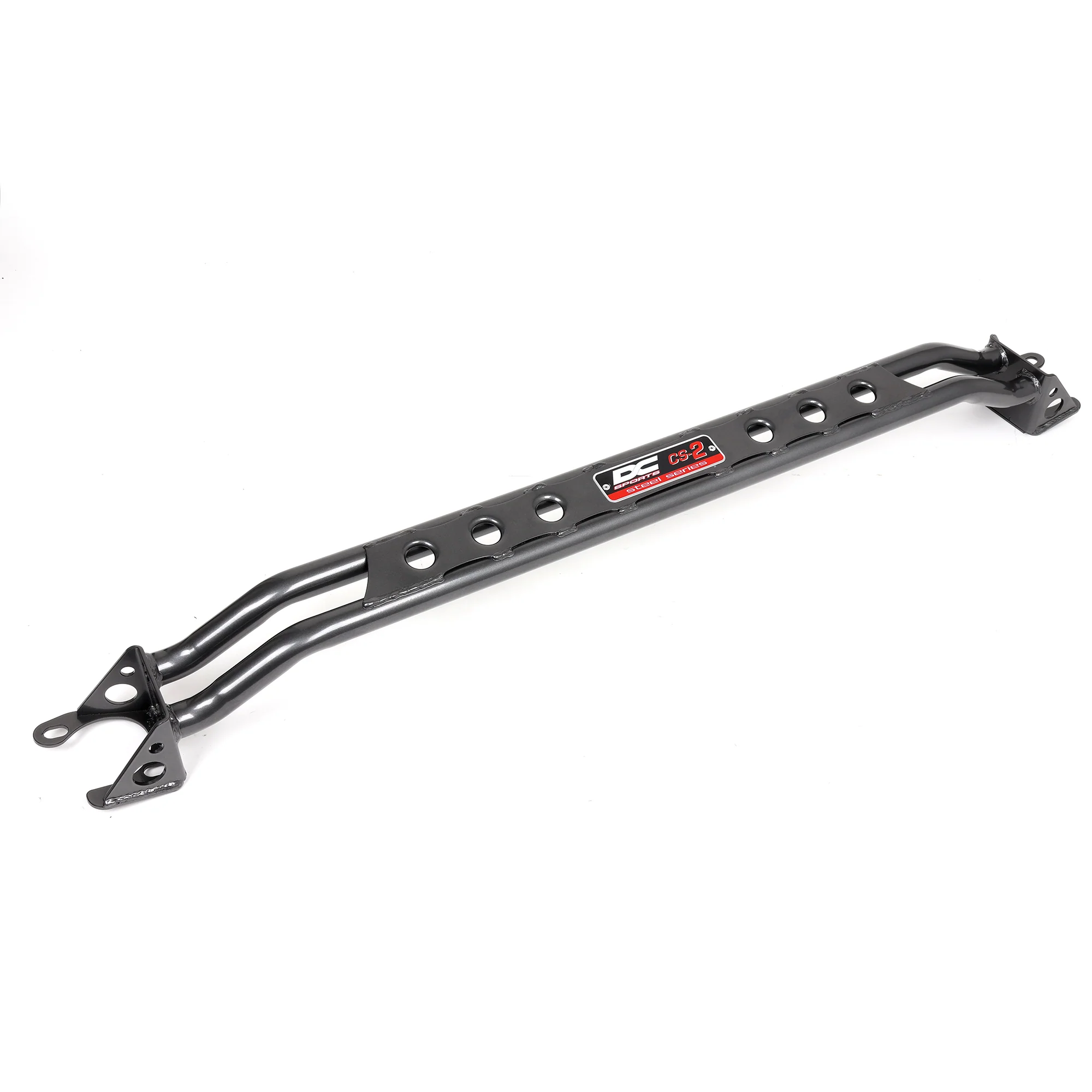
DC Sports Front Strut Bar - 1999-2000 Honda Civic Si / 1994-2001 Acura Integra
Your EM1 or DC chassis flexes when you turn hard. The strut towers move independently and the cowl twists. Your steering feels vague. You turn in and there's a delay before the front end responds. DC Sports' front strut bar ties the tops of both strut towers together. Now the towers can't move independently. The front end of your chassis is locked together as one unit. You turn the wheel and the car responds immediately. The steering's more direct. Turn-in's sharper. The front end feels planted instead of loose and disconnected. This is a single-piece carbon steel bar. It's not a flimsy multi-piece setup with adjustment points that flex under load. It's one solid bar bolted directly to your strut towers. You're getting actual chassis rigidity instead of a dress-up piece that looks good but doesn't do anything. We run this same bar on our own EM1 and DC builds because it works and it's cheap for what it does.
Here's What's Happening When Your Chassis Flexes
The EM1 and DC chassis weren't designed with a ton of rigidity from the factory. Honda and Acura built these as affordable sport compacts. They're light and they handle well but the chassis flexes. When you turn hard, the outside strut tower tries to pull away from the firewall and the inside tower compresses. The cowl twists. The suspension geometry changes mid-corner because the mounting points are moving around. Your alignment's perfect when the car's sitting still but it's all over the place when you're cornering hard because the chassis is deflecting. That's why your steering feels vague. The suspension's trying to do its job but the chassis won't let it. A strut bar locks the two towers together so they can't move independently. The suspension geometry stays consistent. Your alignment stays where it's supposed to be. The steering response gets way more direct because the front end's not flexing around anymore. You're feeling the road through the wheel instead of feeling chassis flex.
Single-Piece Bar vs. Multi-Piece Adjustable Bars
DC Sports makes this bar as a single piece. That matters. A lot of cheap strut bars are multi-piece with adjustment points in the middle. The adjustment's there so the bar fits a wider range of cars or so you can adjust it if your strut towers aren't perfectly aligned. The problem is those adjustment points flex under load. You're turning hard and the bar's bending at the adjustment collar instead of keeping the towers locked together. A single-piece bar can't flex at an adjustment point because there isn't one. It's one solid piece of high-grade carbon steel from tower to tower. When you load up the suspension, the bar transfers that load directly from one tower to the other. The towers stay locked. The chassis stays rigid. You're getting actual chassis bracing instead of a bar that looks like it's doing something but flexes when you need it most.
You'll Feel It Most in Transitions and Hard Braking
The difference is most obvious when you're changing direction quickly or when you're braking hard into a corner. On a stock chassis with no strut bar, the front end feels loose. You brake hard and the nose dives and the strut towers move. You transition from left to right and the chassis takes a second to settle. With the strut bar, the front end stays planted. You brake hard and the nose still dives but the towers don't move relative to each other. You transition and the car responds immediately instead of wallowing. The steering feedback's way better because you're feeling suspension movement instead of chassis flex. This matters on backroads. It matters on track. It even matters on highway on-ramps when you're getting on it. Your car feels more connected. More confidence-inspiring. Like it actually wants to turn instead of fighting you.
Installation's Easy But You Might Need to Lift the Car
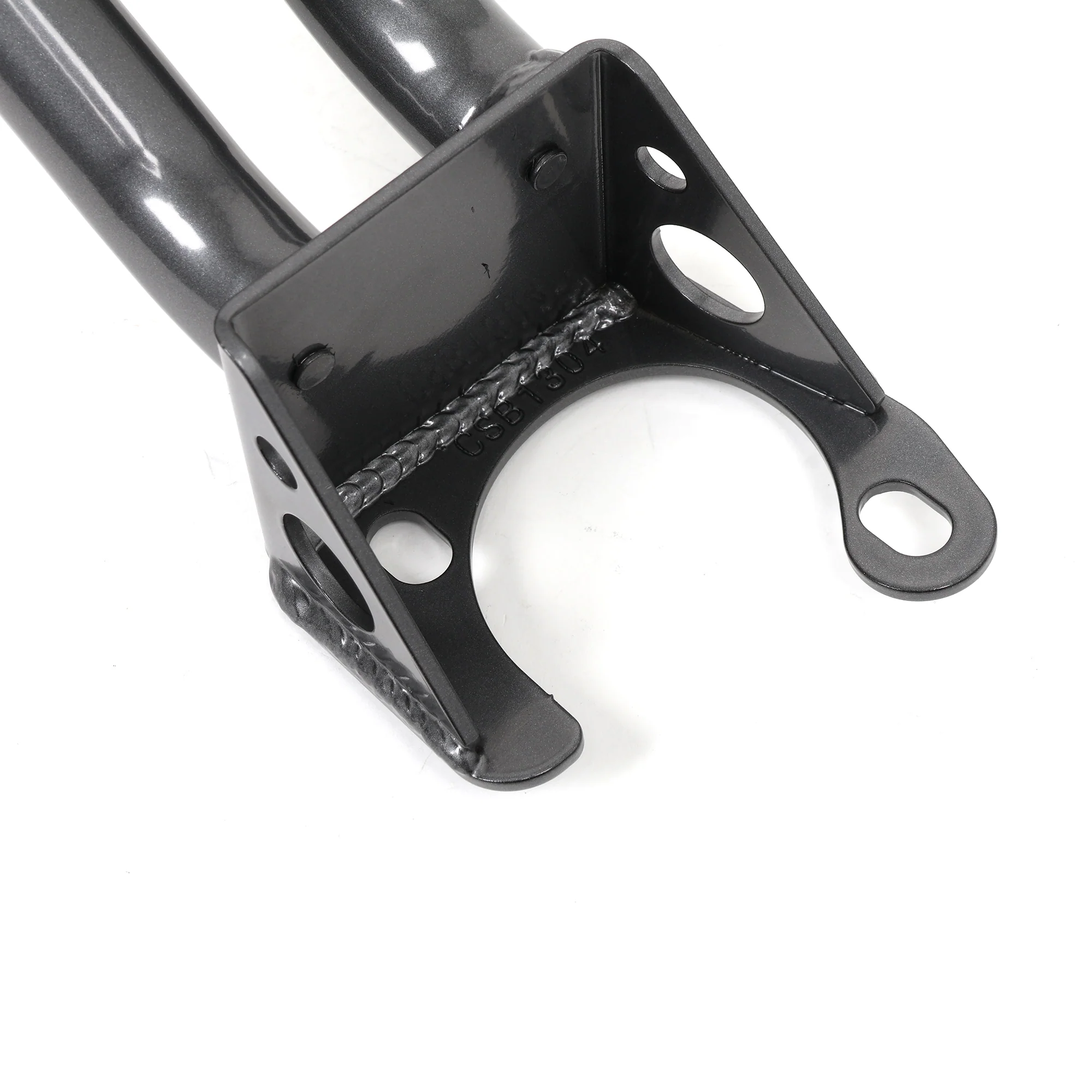
Installation's four bolts. Two nuts on each strut tower. You're pulling off the factory strut tower caps or your old strut bar if you've got one. You're dropping the DC Sports bar on and bolting it down. Here's the catch. Some of the strut bolts come through the shock tower at an angle. On some cars you can bolt the bar in with the car on the ground. On others, the angled bolts make it hard to get the bar over the studs without lifting the front end slightly to change the angle. If you're having trouble getting the bar to drop on, lift the front of the car a few inches and the studs will line up better. Once the bar's on the studs, tighten the nuts and you're done. Twenty minutes either way. It clears your intake, your battery, and your brake master cylinder. If you've got aftermarket coilovers or camber plates, it still fits. The bar's designed to work with the OEM strut tower spacing on EM1 Civics and DC Integras. If your towers are in the factory location, this bar fits.
What You Get
- DC Sports front strut bar - part number CSB1304
- Single-piece high-grade carbon steel construction (no flex at adjustment points)
- Direct fit for 1999-2000 Civic Si (EM1) and 1994-2001 Integra (DC2/DC4)
- Ties strut towers together (reduces chassis flex, improves steering response)
- Sharper turn-in and more direct steering feel
- Better chassis rigidity in transitions and hard braking
- 20-minute bolt-in installation (four bolts total, may need to lift car slightly for angled strut studs)
- Clears stock and aftermarket intakes, batteries, brake master cylinders
- Works with stock suspension or aftermarket coilovers/camber plates
- Made by DC Sports
Fits These Cars
- 1999-2000 Honda Civic Si (EM1 chassis)
- 1994-2001 Acura Integra (DC2 chassis - all trims including Type R, GS-R, LS, RS)
- 1994-2001 Acura Integra (DC4 chassis - GSR sedan)
Note: Single-piece carbon steel bar (no adjustment points that flex under load - multi-piece adjustable bars bend at adjustment collars when loaded). Ties strut towers together to reduce chassis flex and cowl twist (improves steering response, sharper turn-in, more predictable front end). Most noticeable during quick transitions, hard braking, and cornering (front end stays planted, suspension geometry stays consistent). Direct bolt-in using four bolts (two nuts per strut tower, 20-minute install). Some strut bolts come through shock tower at an angle - may need to lift front of car a few inches to get bar over angled studs (easier fitment when suspension is slightly unloaded). Clears stock and aftermarket intakes, batteries, brake master cylinders. Works with stock suspension, aftermarket coilovers, and camber plates. Fits EM1 Civic Si (1999-2000) and DC Integra (1994-2001 all trims). High-grade carbon steel construction. Made by DC Sports.
-
1994-2001 Acura Integra1999-2000 Honda Civic Si
-
(1) Front Strut Bar(1) Hardware Pack
- Installation Guide




Description
- Strong Dual Bar Design
- Reduces Chassis Flex
- Clears Aftermarket Manifolds
- Fits EM1 Civic Si and 94-01 Integra
- Description
- Vehicle Fitment
- Included
- Install Guide
-
DC Sports Front Strut Bar - 1999-2000 Honda Civic Si / 1994-2001 Acura Integra
Your EM1 or DC chassis flexes when you turn hard. The strut towers move independently and the cowl twists. Your steering feels vague. You turn in and there's a delay before the front end responds. DC Sports' front strut bar ties the tops of both strut towers together. Now the towers can't move independently. The front end of your chassis is locked together as one unit. You turn the wheel and the car responds immediately. The steering's more direct. Turn-in's sharper. The front end feels planted instead of loose and disconnected. This is a single-piece carbon steel bar. It's not a flimsy multi-piece setup with adjustment points that flex under load. It's one solid bar bolted directly to your strut towers. You're getting actual chassis rigidity instead of a dress-up piece that looks good but doesn't do anything. We run this same bar on our own EM1 and DC builds because it works and it's cheap for what it does.
Here's What's Happening When Your Chassis Flexes
The EM1 and DC chassis weren't designed with a ton of rigidity from the factory. Honda and Acura built these as affordable sport compacts. They're light and they handle well but the chassis flexes. When you turn hard, the outside strut tower tries to pull away from the firewall and the inside tower compresses. The cowl twists. The suspension geometry changes mid-corner because the mounting points are moving around. Your alignment's perfect when the car's sitting still but it's all over the place when you're cornering hard because the chassis is deflecting. That's why your steering feels vague. The suspension's trying to do its job but the chassis won't let it. A strut bar locks the two towers together so they can't move independently. The suspension geometry stays consistent. Your alignment stays where it's supposed to be. The steering response gets way more direct because the front end's not flexing around anymore. You're feeling the road through the wheel instead of feeling chassis flex.
Single-Piece Bar vs. Multi-Piece Adjustable Bars
DC Sports makes this bar as a single piece. That matters. A lot of cheap strut bars are multi-piece with adjustment points in the middle. The adjustment's there so the bar fits a wider range of cars or so you can adjust it if your strut towers aren't perfectly aligned. The problem is those adjustment points flex under load. You're turning hard and the bar's bending at the adjustment collar instead of keeping the towers locked together. A single-piece bar can't flex at an adjustment point because there isn't one. It's one solid piece of high-grade carbon steel from tower to tower. When you load up the suspension, the bar transfers that load directly from one tower to the other. The towers stay locked. The chassis stays rigid. You're getting actual chassis bracing instead of a bar that looks like it's doing something but flexes when you need it most.
You'll Feel It Most in Transitions and Hard Braking
The difference is most obvious when you're changing direction quickly or when you're braking hard into a corner. On a stock chassis with no strut bar, the front end feels loose. You brake hard and the nose dives and the strut towers move. You transition from left to right and the chassis takes a second to settle. With the strut bar, the front end stays planted. You brake hard and the nose still dives but the towers don't move relative to each other. You transition and the car responds immediately instead of wallowing. The steering feedback's way better because you're feeling suspension movement instead of chassis flex. This matters on backroads. It matters on track. It even matters on highway on-ramps when you're getting on it. Your car feels more connected. More confidence-inspiring. Like it actually wants to turn instead of fighting you.
Installation's Easy But You Might Need to Lift the Car
Installation's four bolts. Two nuts on each strut tower. You're pulling off the factory strut tower caps or your old strut bar if you've got one. You're dropping the DC Sports bar on and bolting it down. Here's the catch. Some of the strut bolts come through the shock tower at an angle. On some cars you can bolt the bar in with the car on the ground. On others, the angled bolts make it hard to get the bar over the studs without lifting the front end slightly to change the angle. If you're having trouble getting the bar to drop on, lift the front of the car a few inches and the studs will line up better. Once the bar's on the studs, tighten the nuts and you're done. Twenty minutes either way. It clears your intake, your battery, and your brake master cylinder. If you've got aftermarket coilovers or camber plates, it still fits. The bar's designed to work with the OEM strut tower spacing on EM1 Civics and DC Integras. If your towers are in the factory location, this bar fits.
What You Get
- DC Sports front strut bar - part number CSB1304
- Single-piece high-grade carbon steel construction (no flex at adjustment points)
- Direct fit for 1999-2000 Civic Si (EM1) and 1994-2001 Integra (DC2/DC4)
- Ties strut towers together (reduces chassis flex, improves steering response)
- Sharper turn-in and more direct steering feel
- Better chassis rigidity in transitions and hard braking
- 20-minute bolt-in installation (four bolts total, may need to lift car slightly for angled strut studs)
- Clears stock and aftermarket intakes, batteries, brake master cylinders
- Works with stock suspension or aftermarket coilovers/camber plates
- Made by DC Sports
Fits These Cars
- 1999-2000 Honda Civic Si (EM1 chassis)
- 1994-2001 Acura Integra (DC2 chassis - all trims including Type R, GS-R, LS, RS)
- 1994-2001 Acura Integra (DC4 chassis - GSR sedan)
Note: Single-piece carbon steel bar (no adjustment points that flex under load - multi-piece adjustable bars bend at adjustment collars when loaded). Ties strut towers together to reduce chassis flex and cowl twist (improves steering response, sharper turn-in, more predictable front end). Most noticeable during quick transitions, hard braking, and cornering (front end stays planted, suspension geometry stays consistent). Direct bolt-in using four bolts (two nuts per strut tower, 20-minute install). Some strut bolts come through shock tower at an angle - may need to lift front of car a few inches to get bar over angled studs (easier fitment when suspension is slightly unloaded). Clears stock and aftermarket intakes, batteries, brake master cylinders. Works with stock suspension, aftermarket coilovers, and camber plates. Fits EM1 Civic Si (1999-2000) and DC Integra (1994-2001 all trims). High-grade carbon steel construction. Made by DC Sports.
-
1994-2001 Acura Integra1999-2000 Honda Civic Si
-
(1) Front Strut Bar(1) Hardware Pack
- Installation Guide