Gates Racing Timing Belt for 97-01 Prelude H22
- Compatible with 93-01 Prelude Models
- 300% Stronger Than Stock Belts
- Includes Timing Belt and Timing Balancer Belt
- Direct Factory Replacement Part
- Description
- Vehicle Fitment
- Technical Data
- Included
- Install Guide
-
Gates Racing Timing Belt - H22
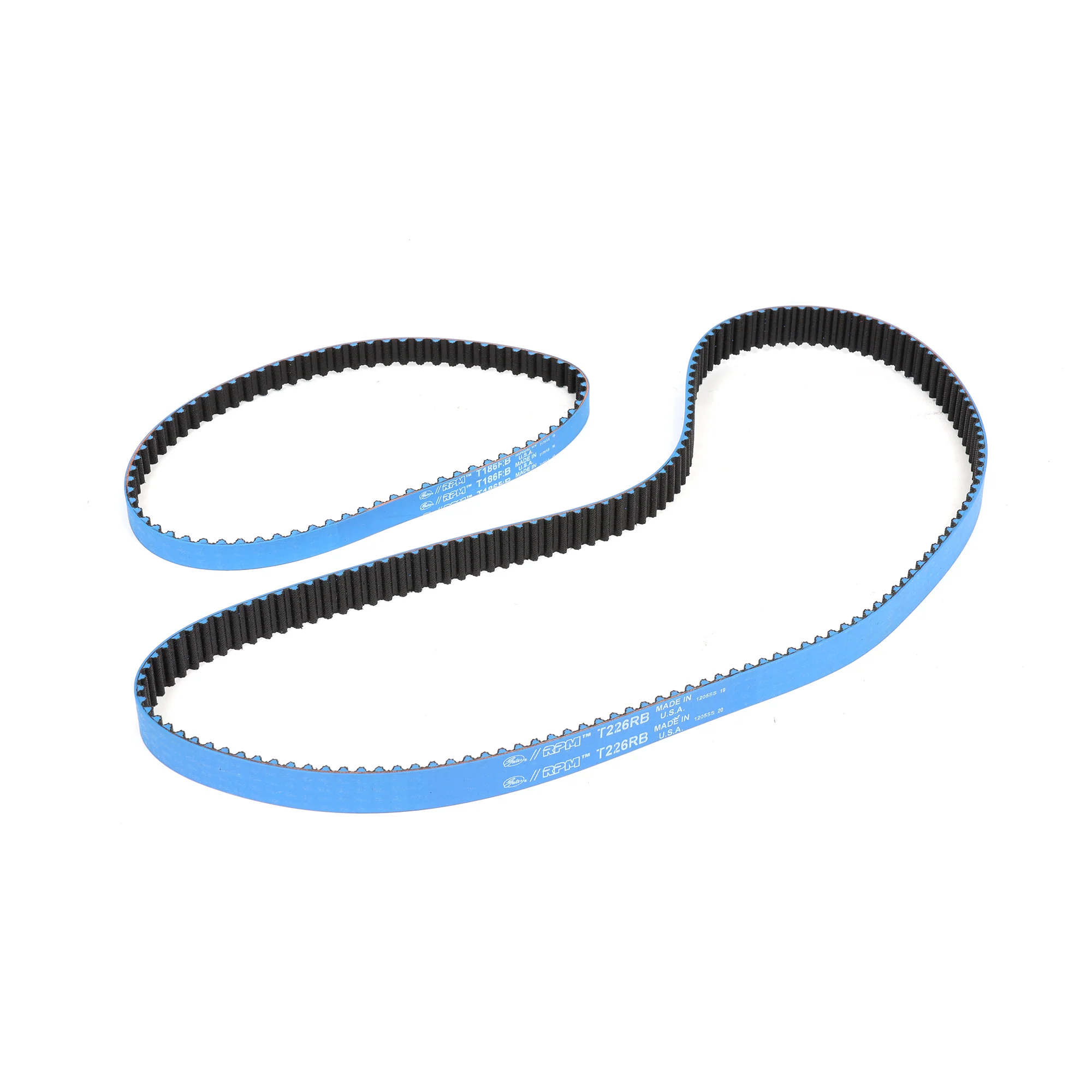
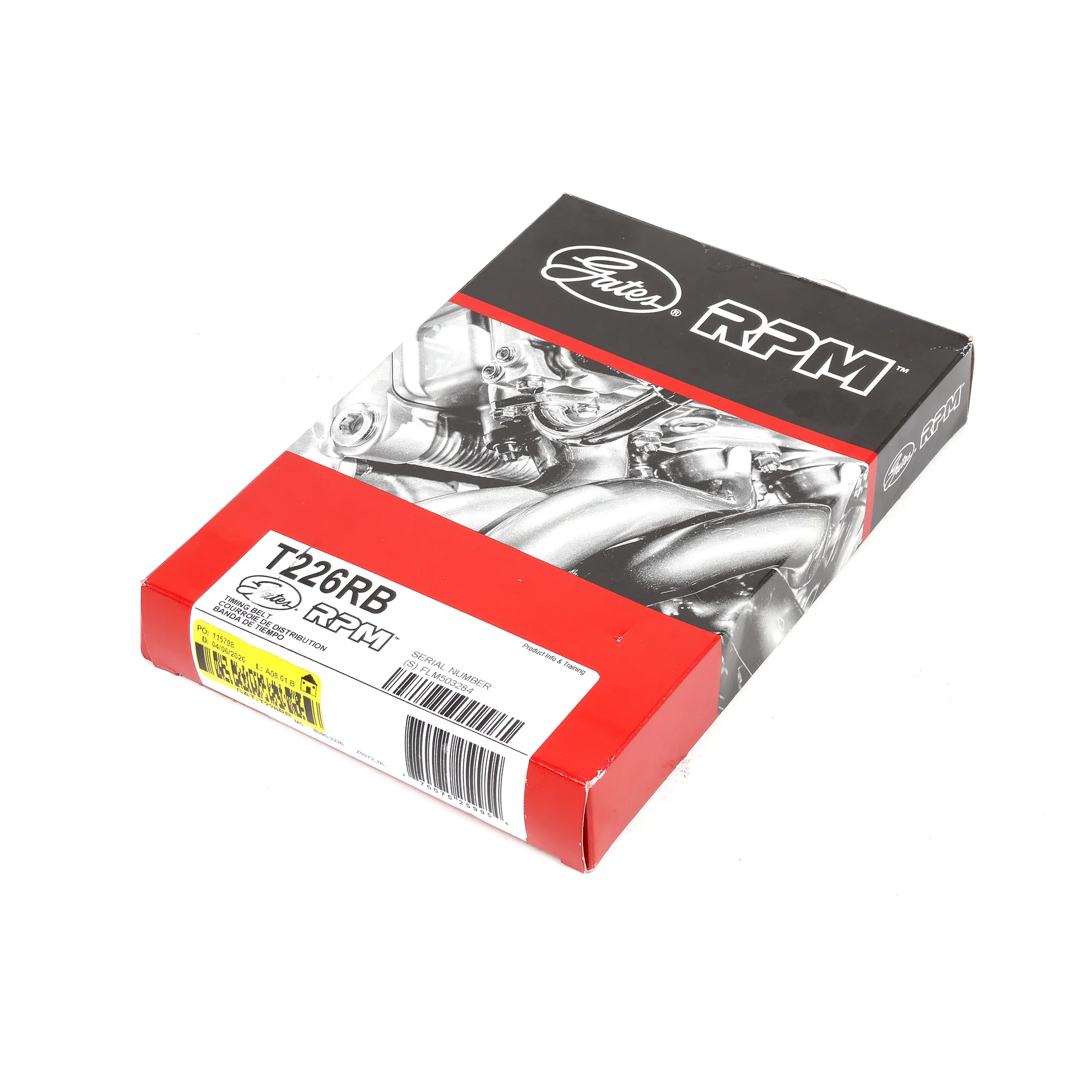
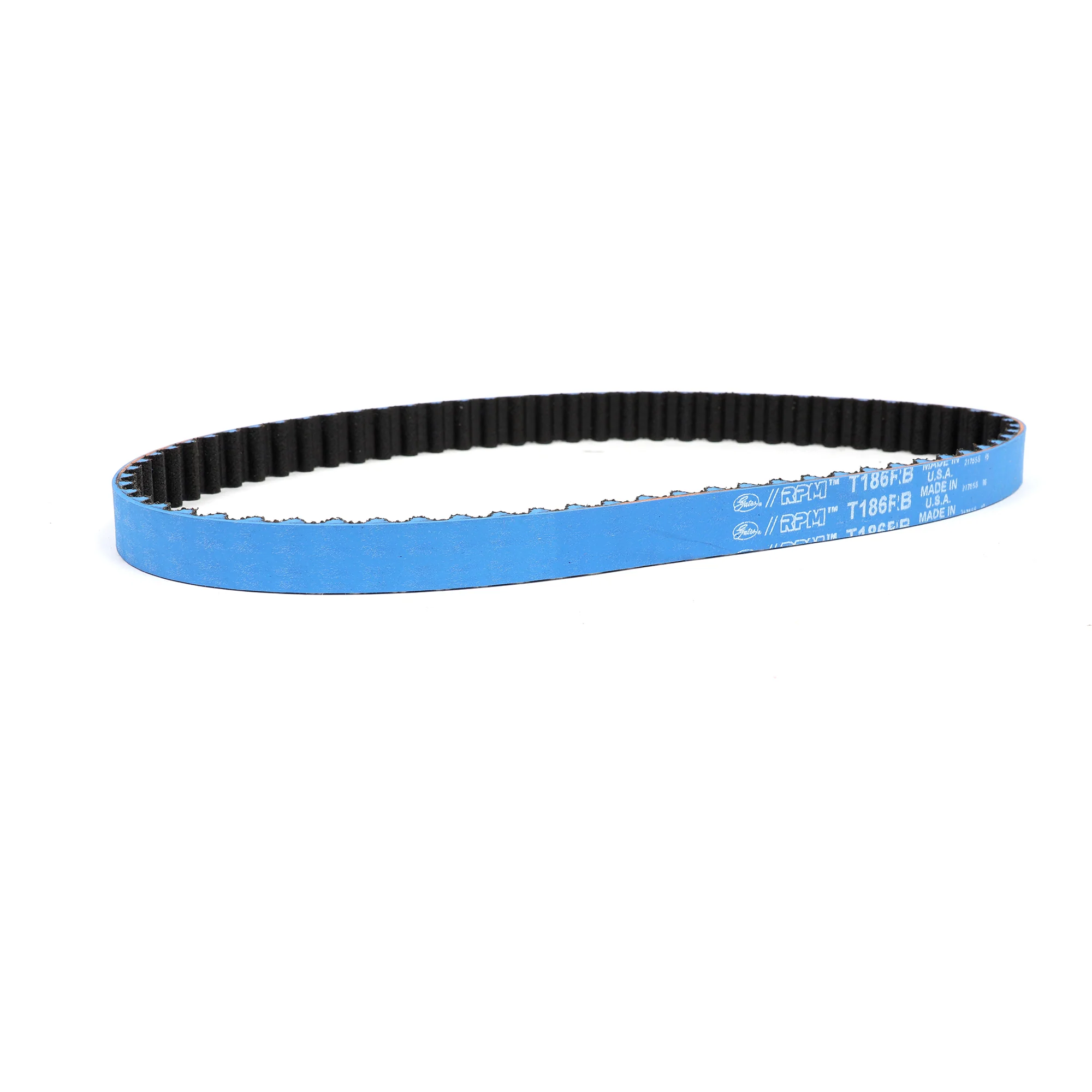
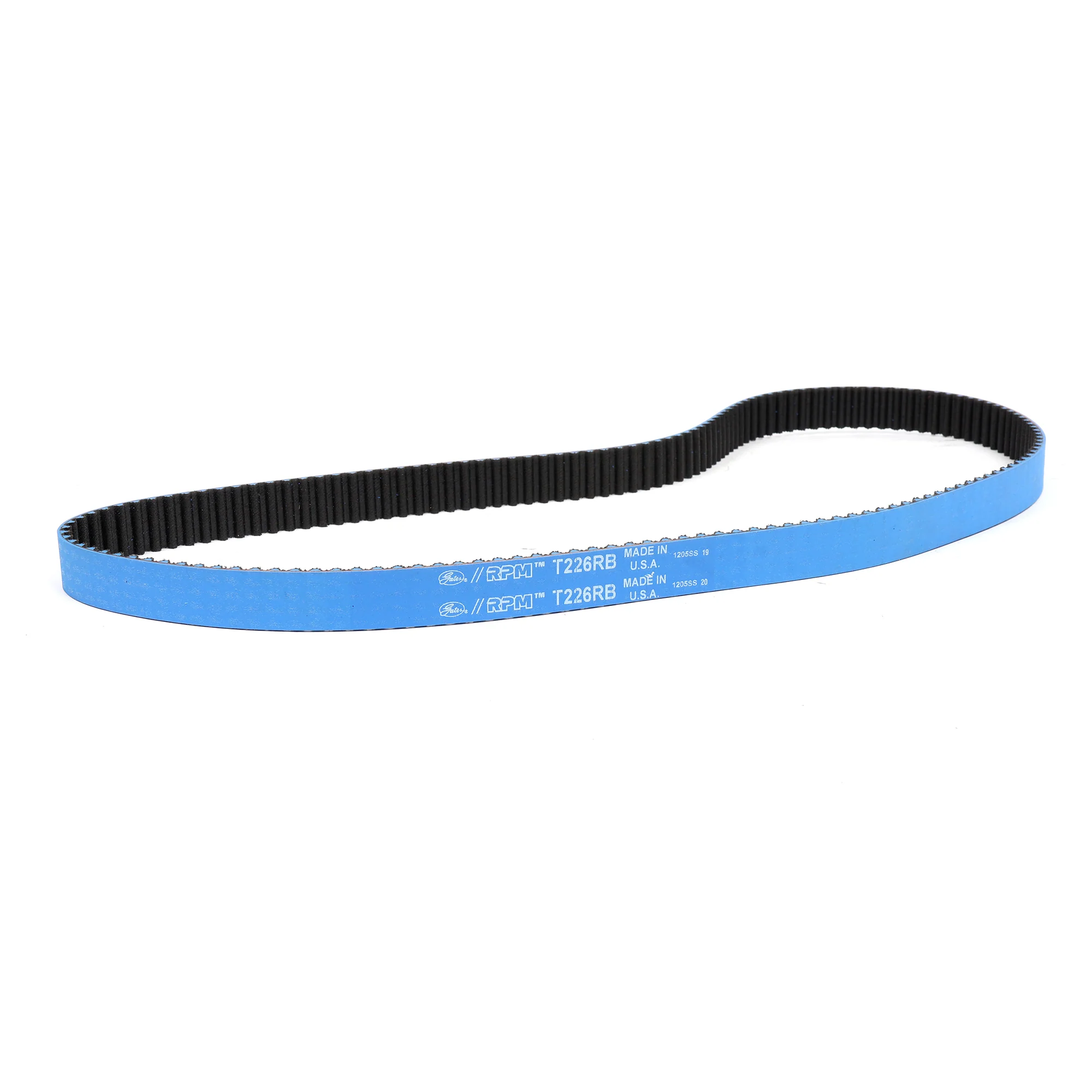
A broken timing belt doesn't just lead to a bad day, it can lead to a much worse situation. Your valves smack into your pistons. The H22's an interference motor so a timing belt failure doesn't just leave you stranded, it bends valves and you're tearing the head off to fix it. If you're building a boosted H22, running aggressive cams, or just putting miles on a Prelude you actually care about, the Gates Racing timing belt gives you way more margin than the stock belt. This is the blue Gates Racing belt, part number T226RB. It comes with both the timing belt (longer) and the balance shaft belt (shorter) so you're getting both belts you need for the H22.
Here's Why This Belt's Different from Stock
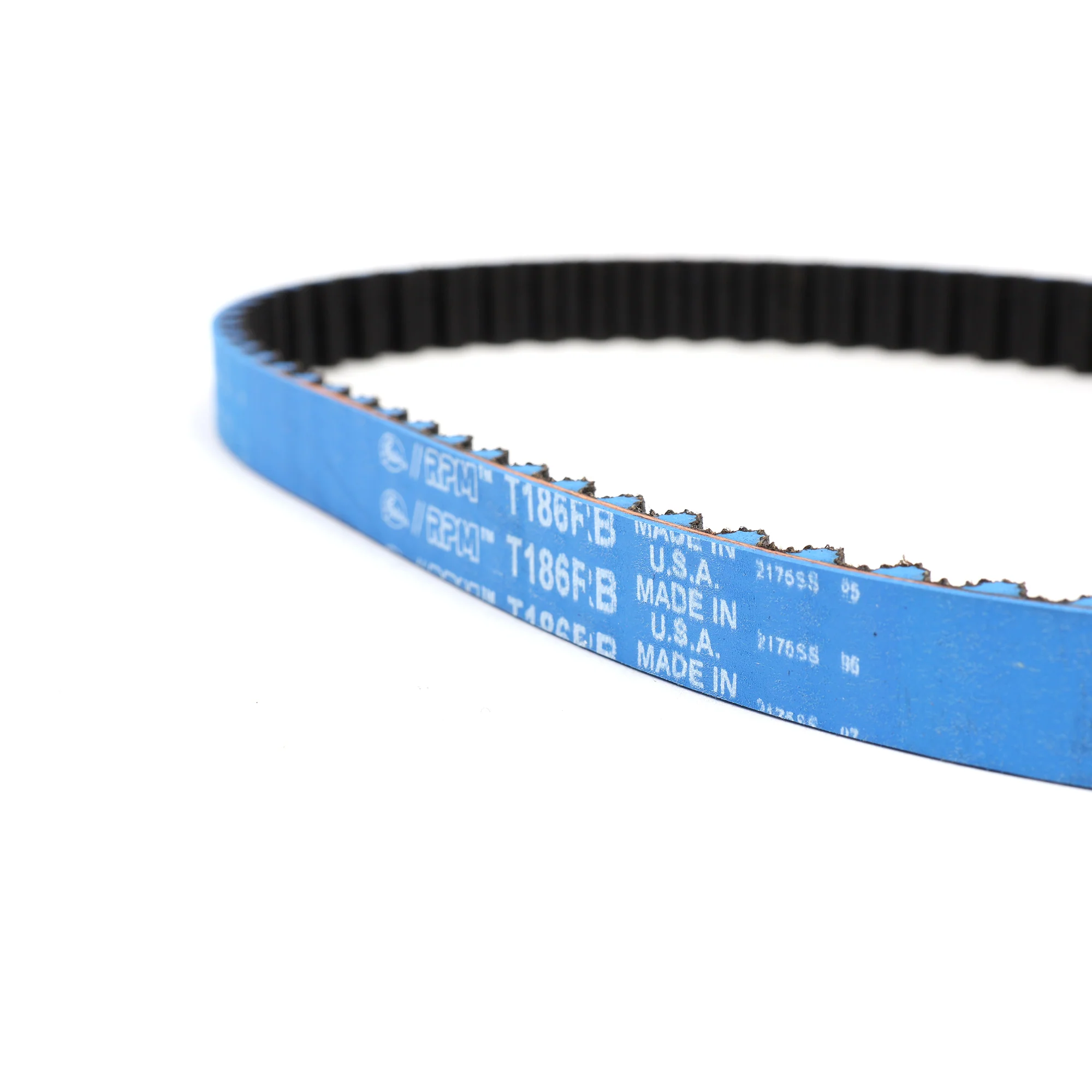
Gates makes the OEM timing belts that come in Honda parts boxes. The Racing series takes the same dimensions and upgrades the materials. Instead of regular neoprene rubber, you're getting HNBR rubber with the teeth reinforced by Aramid and nylon fiber. Gates says this belt's 300% stronger than a standard aftermarket belt and it's got three times the heat resistance. In their testing, the Racing belt survived over 2,000 hours at 6,000 RPM and 212°F before it failed. A standard belt made it to around 1,200 hours under the same conditions. That's a real difference. When you pull it out of the box, the Racing belt's noticeably thicker and stiffer than an OEM belt. You'll feel it when you're wrestling it onto the cam gears.
When You Actually Need This
If you're running a stock H22 as a daily driver, an OEM Honda belt's fine. It'll last. Where the Gates Racing belt matters is on built motors. Turbo setups generate more heat and cylinder pressure. Aggressive cams and heavier valve springs load the timing belt harder. Sustained high-RPM track use beats on everything. The Racing belt's stiffer construction and better heat tolerance give you margin when you're pushing the motor. You're not wondering if the belt's going to let go at 7,500 RPM on a hot lap. That peace of mind's worth it when you're running a $3,000+ turbo build or you're at the track.
This Job's Not Quick
The H22 timing belt job's more involved than a B or D series because you've got dual overhead cams and balance shafts. You're dealing with two belts, the main timing belt and a separate balance shaft belt. Both cam gears need to be at TDC. The front and rear balance shafts have to be locked in position while you're installing the balance belt. You need a 6mm x 100mm bolt to stick through the maintenance hole at the back of the block to hold the rear balance shaft in place. Skip that step and the balance shaft's going to rotate on you. Then you're pulling covers off again to redo it. Plan for a few hours if you've done this before. If it's your first H22 timing belt, give yourself a day.
Replace Everything While You're In There
This kit's just the timing belt and balance shaft belt. You're already pulling the timing covers off and you've got access to everything. Replace the water pump, cam seals, crank seal, balance shaft seal, and the tensioner at the same time. Don't skip the water pump. If it fails six months after you've done the timing belt, you're right back in there doing the whole job again. Same deal with the tensioner - if it's got 100k miles on it, replace it. The parts cost way less than your time pulling everything apart twice.
What You Get
- Gates Racing timing belt - part number T226RB
- Includes timing belt (longer) and balance shaft belt (shorter)
- HNBR rubber compound (not standard neoprene)
- Aramid and nylon fiber reinforced teeth
- 300% stronger than standard aftermarket belts (per Gates)
- 3x heat resistance vs. standard belts (per Gates)
- 2,000+ hour endurance at 6,000 RPM / 212°F (per Gates testing)
- Blue color (Gates Racing series)
Fits Your Motor
- 1993-1996 Honda Prelude S
- 1993-1996 Honda Prelude VTEC
- 1997-2001 Honda Prelude Base
- 1997-2001 Honda Prelude Type SH
Note: Fits both 4th gen and 5th gen Preludes with H22 motors. If you've got a non-VTEC Prelude Si with the H23, this is the wrong belt. You'll need a 6mm x 100mm bolt (not included) to lock the rear balance shaft through the maintenance hole during installation. Don't skip this - the balance shaft will rotate on you and your timing will be off. While you're doing the timing belt, replace the water pump, tensioner, and all the seals. It's way cheaper to do it now than to pull everything apart again in six months when the water pump fails.
-
1993-1996 Honda Prelude S/VTEC1997-2001 Honda Prelude Base/Type SH
-
(1) Timing Belt(1) Timing Balancer Belt


Description
- Compatible with 93-01 Prelude Models
- 300% Stronger Than Stock Belts
- Includes Timing Belt and Timing Balancer Belt
- Direct Factory Replacement Part
- Description
- Vehicle Fitment
- Technical Data
- Included
- Install Guide
-
Gates Racing Timing Belt - H22
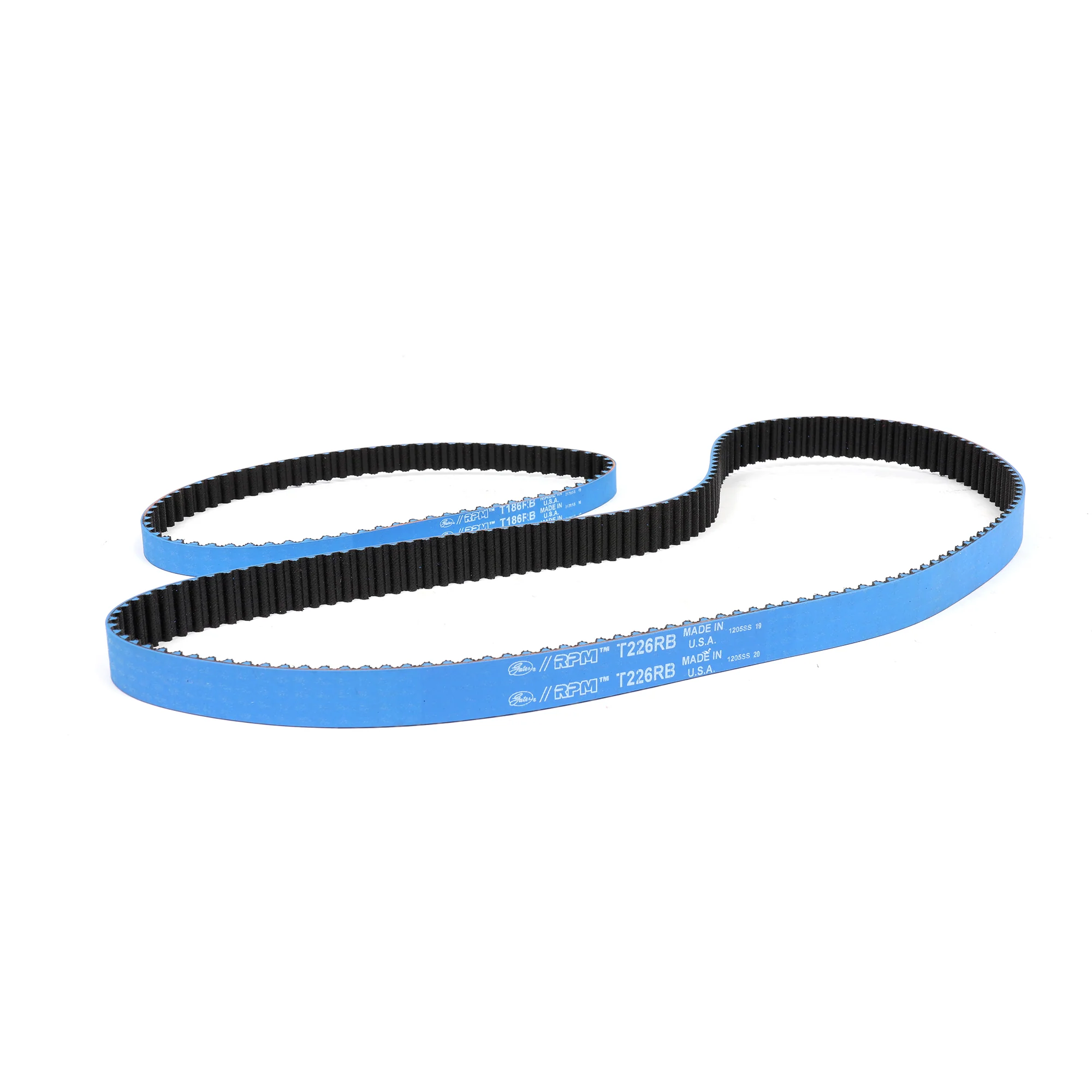
A broken timing belt doesn't just lead to a bad day, it can lead to a much worse situation. Your valves smack into your pistons. The H22's an interference motor so a timing belt failure doesn't just leave you stranded, it bends valves and you're tearing the head off to fix it. If you're building a boosted H22, running aggressive cams, or just putting miles on a Prelude you actually care about, the Gates Racing timing belt gives you way more margin than the stock belt. This is the blue Gates Racing belt, part number T226RB. It comes with both the timing belt (longer) and the balance shaft belt (shorter) so you're getting both belts you need for the H22.
Here's Why This Belt's Different from Stock
Gates makes the OEM timing belts that come in Honda parts boxes. The Racing series takes the same dimensions and upgrades the materials. Instead of regular neoprene rubber, you're getting HNBR rubber with the teeth reinforced by Aramid and nylon fiber. Gates says this belt's 300% stronger than a standard aftermarket belt and it's got three times the heat resistance. In their testing, the Racing belt survived over 2,000 hours at 6,000 RPM and 212°F before it failed. A standard belt made it to around 1,200 hours under the same conditions. That's a real difference. When you pull it out of the box, the Racing belt's noticeably thicker and stiffer than an OEM belt. You'll feel it when you're wrestling it onto the cam gears.
When You Actually Need This
If you're running a stock H22 as a daily driver, an OEM Honda belt's fine. It'll last. Where the Gates Racing belt matters is on built motors. Turbo setups generate more heat and cylinder pressure. Aggressive cams and heavier valve springs load the timing belt harder. Sustained high-RPM track use beats on everything. The Racing belt's stiffer construction and better heat tolerance give you margin when you're pushing the motor. You're not wondering if the belt's going to let go at 7,500 RPM on a hot lap. That peace of mind's worth it when you're running a $3,000+ turbo build or you're at the track.
This Job's Not Quick
The H22 timing belt job's more involved than a B or D series because you've got dual overhead cams and balance shafts. You're dealing with two belts, the main timing belt and a separate balance shaft belt. Both cam gears need to be at TDC. The front and rear balance shafts have to be locked in position while you're installing the balance belt. You need a 6mm x 100mm bolt to stick through the maintenance hole at the back of the block to hold the rear balance shaft in place. Skip that step and the balance shaft's going to rotate on you. Then you're pulling covers off again to redo it. Plan for a few hours if you've done this before. If it's your first H22 timing belt, give yourself a day.
Replace Everything While You're In There
This kit's just the timing belt and balance shaft belt. You're already pulling the timing covers off and you've got access to everything. Replace the water pump, cam seals, crank seal, balance shaft seal, and the tensioner at the same time. Don't skip the water pump. If it fails six months after you've done the timing belt, you're right back in there doing the whole job again. Same deal with the tensioner - if it's got 100k miles on it, replace it. The parts cost way less than your time pulling everything apart twice.
What You Get
- Gates Racing timing belt - part number T226RB
- Includes timing belt (longer) and balance shaft belt (shorter)
- HNBR rubber compound (not standard neoprene)
- Aramid and nylon fiber reinforced teeth
- 300% stronger than standard aftermarket belts (per Gates)
- 3x heat resistance vs. standard belts (per Gates)
- 2,000+ hour endurance at 6,000 RPM / 212°F (per Gates testing)
- Blue color (Gates Racing series)
Fits Your Motor
- 1993-1996 Honda Prelude S
- 1993-1996 Honda Prelude VTEC
- 1997-2001 Honda Prelude Base
- 1997-2001 Honda Prelude Type SH
Note: Fits both 4th gen and 5th gen Preludes with H22 motors. If you've got a non-VTEC Prelude Si with the H23, this is the wrong belt. You'll need a 6mm x 100mm bolt (not included) to lock the rear balance shaft through the maintenance hole during installation. Don't skip this - the balance shaft will rotate on you and your timing will be off. While you're doing the timing belt, replace the water pump, tensioner, and all the seals. It's way cheaper to do it now than to pull everything apart again in six months when the water pump fails.
-
1993-1996 Honda Prelude S/VTEC1997-2001 Honda Prelude Base/Type SH
-
(1) Timing Belt(1) Timing Balancer Belt