HKS Super Sequential SSQV4 Universal Blowoff Valve
- Iconic Blow Off Valve Sound
- Robust Nickel-Plated Metal Construction
- Advanced Pull-Type Valve Technology
- Dual Valve, Sequential Release System
- Description
- Vehicle Fitment
- Technical Data
- Included
- Install Guide
-
HKS Super Sequential SSQV4 Universal Blow Off Valve
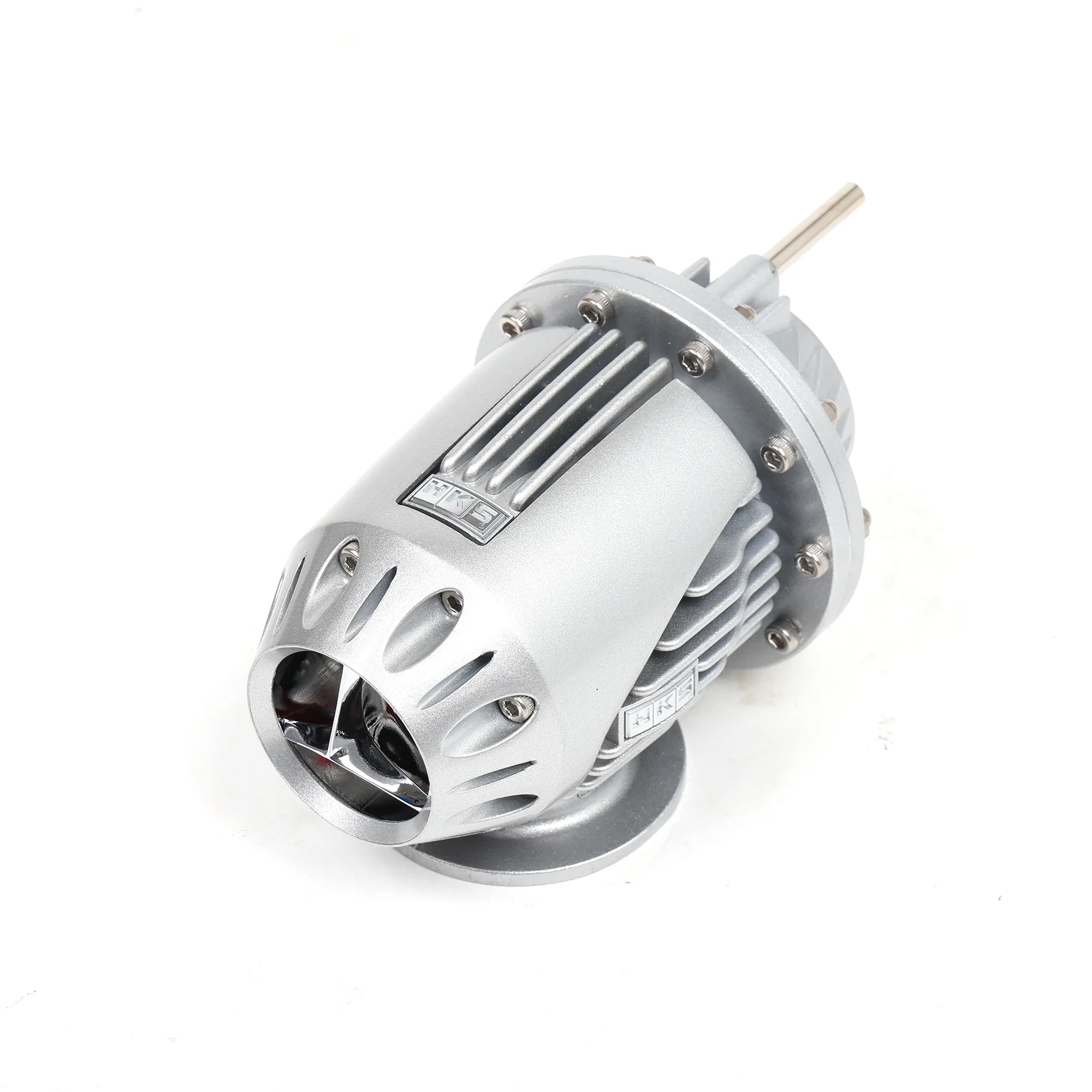
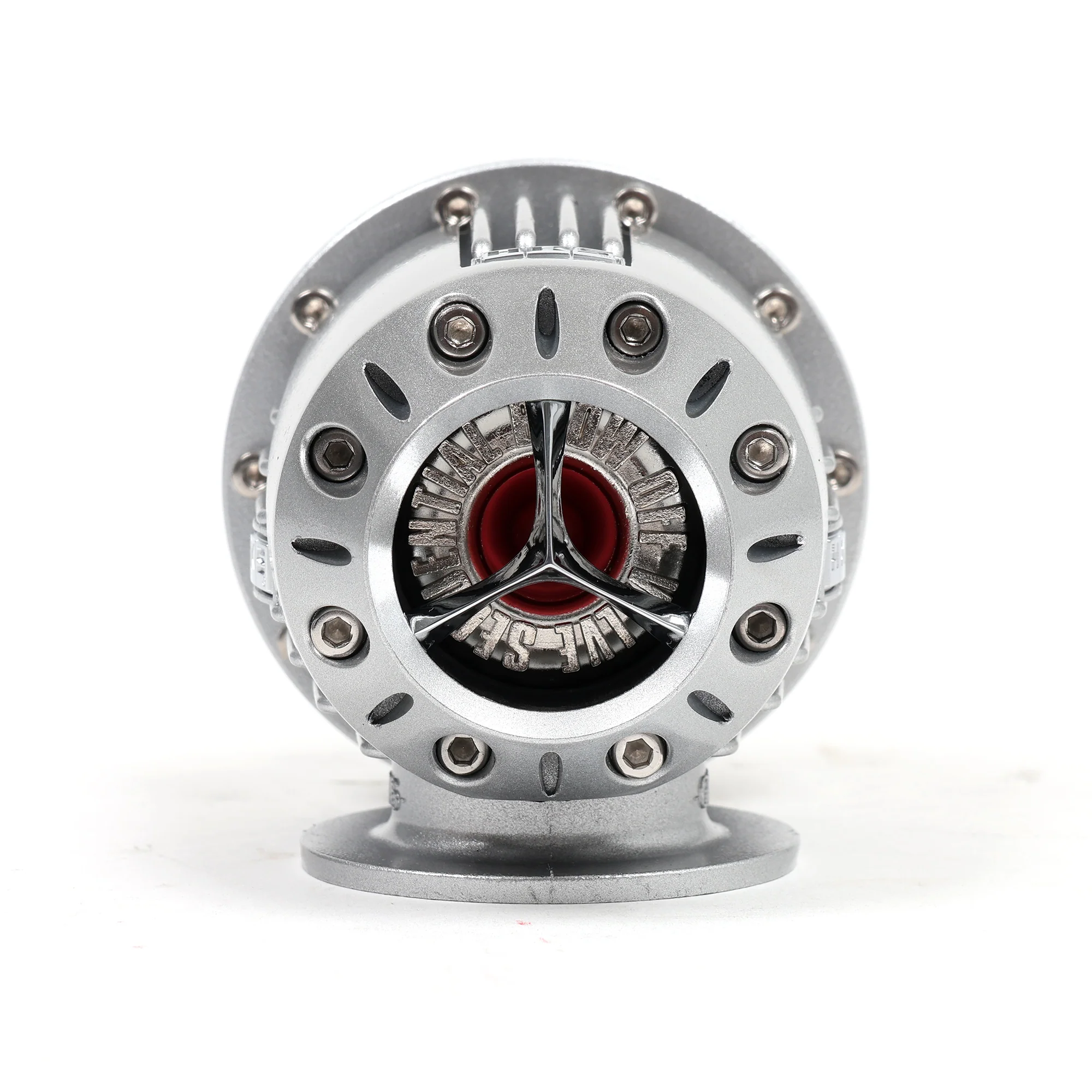
The HKS SSQV4's got legendary status in the turbo world. If you've seen any HKS demo car from the last twenty years, you've heard this blow off valve. That distinctive sequential flutter when you lift off the throttle? That's the SSQV4. This is a universal kit so it's not designed for a specific car, you're adapting it to your turbo setup with the included fittings and some fabrication work. If you're building a turbo Honda, Subaru, Mitsubishi, Nissan, or anything else with a turbocharger and you want a true JDM piece with the most iconic BOV sound in the game, this is it. Every car guy within three blocks is going to know exactly what you're running the second you lift off throttle.
Here's What Makes the SSQV4 Different
Most blow off valves use a single valve with a spring. You're setting the spring preload for your boost level and hoping it doesn't leak at high boost or fail to open at low boost. The SSQV4 uses a dual valve sequential system with a pull-type design. There's a small primary valve that opens instantly at low boost to vent initial pressure, and a larger secondary valve that opens at higher boost levels. The pull-type operation means the valve's being pulled open by vacuum instead of being pushed open by boost pressure. That gives you way more precise control and the valve works across a huge boost range without leaking. You can run this on a stock turbo making 8 PSI or a big turbo setup making 30+ PSI and it's not going to leak or fail to open.
How the Sequential Dual Valve System Works
At low boost, the primary valve opens and vents pressure. At higher boost levels, both the primary and secondary valves open together. The sequential operation means you're getting smooth, linear BOV response at any boost level. Push-type BOVs have a narrow operating range, if you set the spring too soft, the valve leaks under high boost and you can't hold your target pressure. If you set the spring too stiff, the valve won't open at low boost and you're getting compressor surge. The SSQV4 doesn't have that problem because the pull-type design and dual valve structure handle everything from stock boost to race-level boost without adjustments.
That Triple Fin Sound
The SSQV4's got three fins at the center of the funnel. Those fins create the aggressive sequential flutter sound that made this BOV famous. It's not a single loud PSSSH like cheaper BOVs, it's a distinctive multi-stage flutter that sounds like sequential turbos spooling down. That's what people recognize. HKS also makes an optional round fin that changes the sound character if you want to tune it differently, but most people run the stock triple fin because that's the iconic SSQV sound everyone wants.
Built to Last
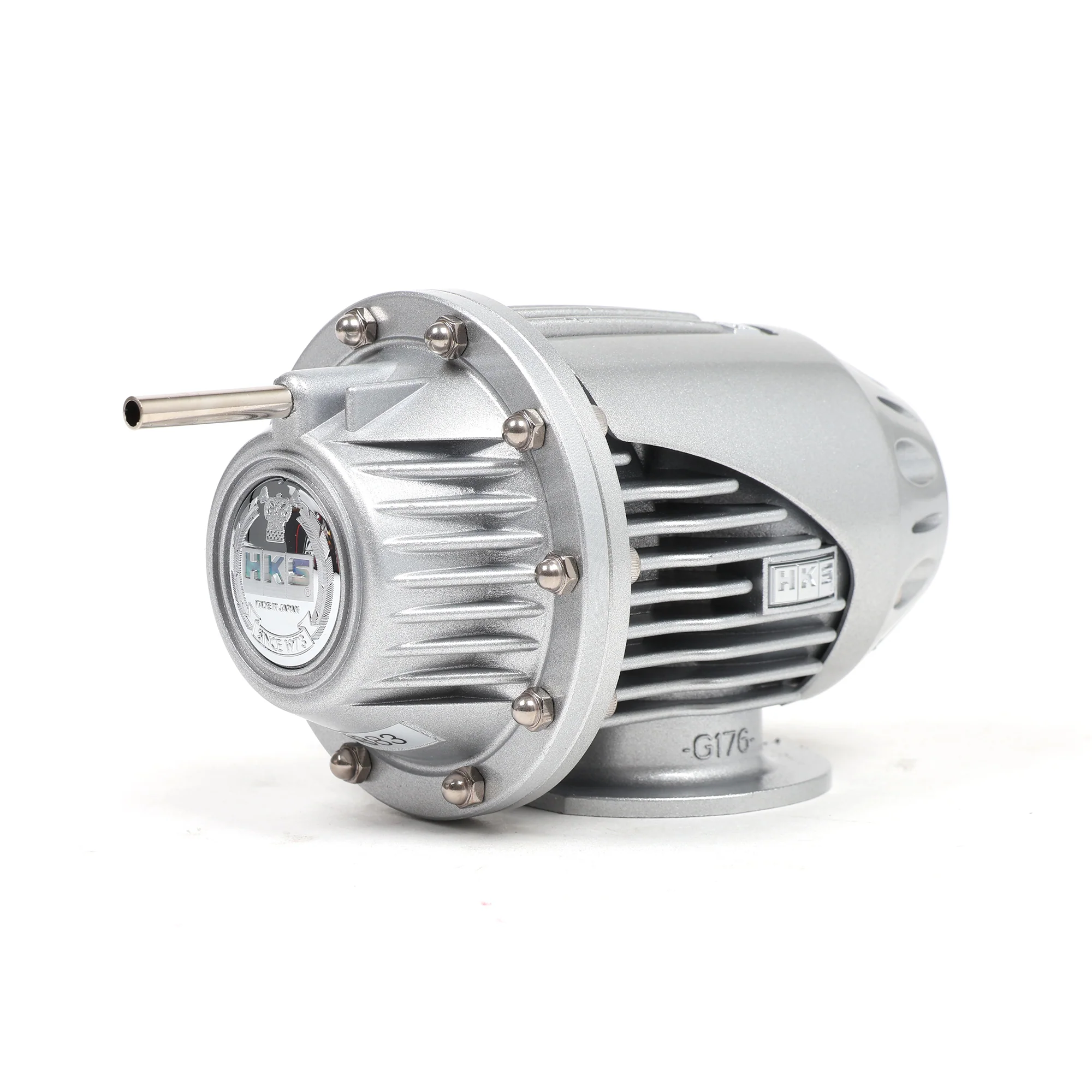
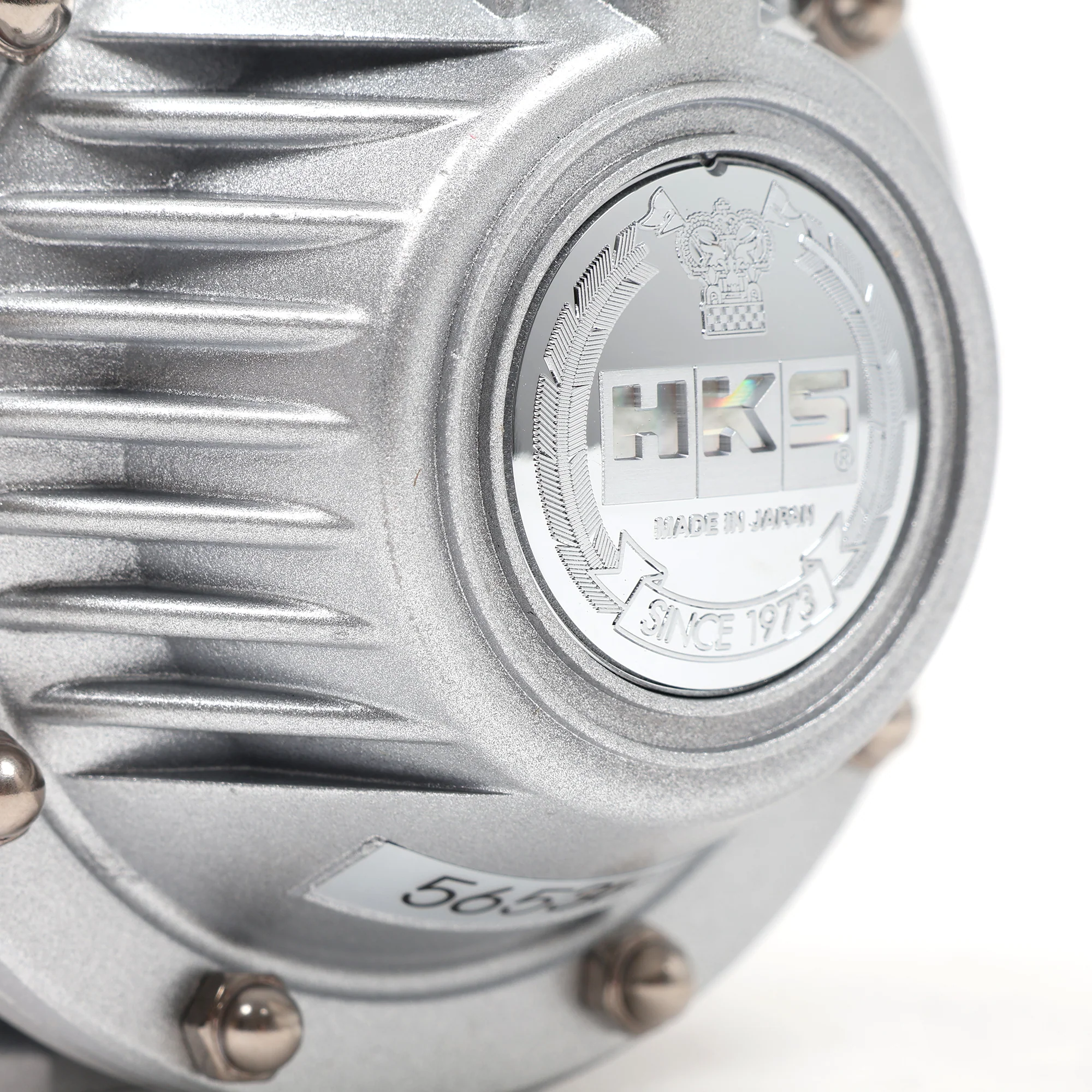
The body's silver-coated aluminum die-cast. It looks good in the engine bay and it's not going to corrode or crack from heat cycles. The secondary valve's also die-cast metal instead of plastic. Cheap BOVs use plastic internal valves that warp or crack after a year of heat and boost pressure. The SSQV4's metal internals handle the abuse. This is a lifetime part if you install it properly and don't do something stupid like run it without a vacuum source.
Universal Kit Means You're Fabricating
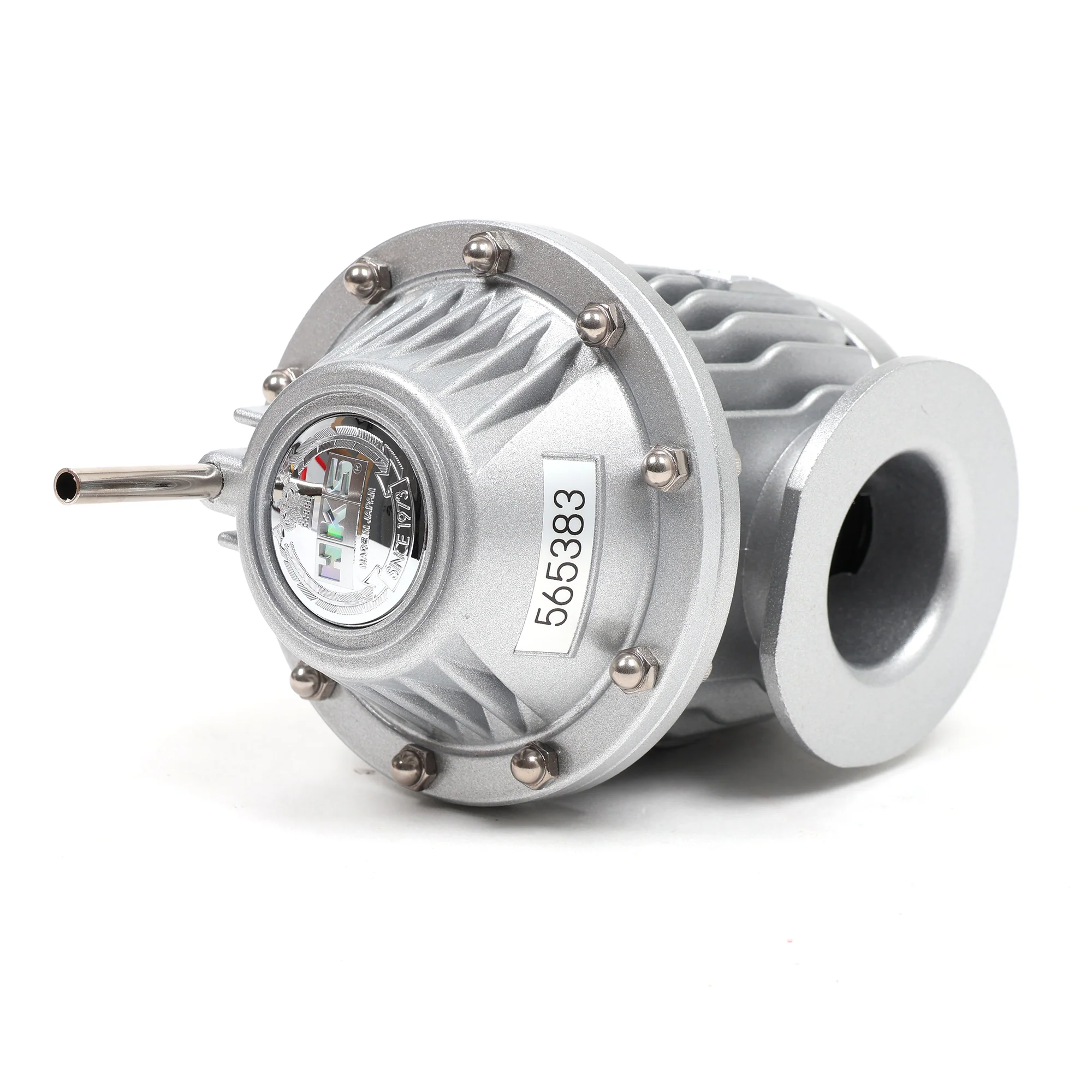
This is a universal kit. HKS doesn't make vehicle-specific flanges or brackets for every car so you're adapting the SSQV4 to your setup. The kit comes with the BOV unit, O-rings, C-rings, T-fittings in different sizes (6mm x 4mm x 6mm and 4mm x 4mm x 4mm), an air filter for the vacuum source, and zip ties. You need to figure out how you're mounting it to your intercooler piping and how you're routing the vacuum line to your intake manifold. Most people weld a flange onto their charge pipe or they use a universal BOV flange adapter. If you're running aftermarket intercooler piping, a lot of kits come with BOV flanges already welded on. You just need to make sure the flange size matches the SSQV4 or you're adding an adapter.
What You Get
- HKS Super Sequential SSQV4 blow off valve unit
- Silver-coated aluminum die-cast body
- Die-cast metal secondary valve (not plastic)
- Triple fin design for iconic sequential flutter sound
- Pull-type relief valve operation
- Dual valve sequential system (primary and secondary valves)
- O-rings for sealing
- C-rings for assembly
- T-fitting 6mm x 4mm x 6mm (vacuum line routing)
- T-fitting 4mm x 4mm x 4mm (vacuum line routing)
- Air filter for vacuum source
- Zip ties
- Universal fitment (not vehicle-specific)
Fits Any Turbocharged Vehicle
This is a universal blow off valve. It works on any car with a turbocharger as long as you adapt it properly. Honda, Acura, Subaru, Mitsubishi, Nissan, Mazda, Toyota, Hyundai, domestic turbo builds, doesn't matter. The SSQV4's designed to work from stock boost levels to race setups without modifications or spring changes, though modern Honda/Acura vehicles such as the Civic Type R and Civic Si, should use the vehicle specific kits for their applications.
Note: This is a universal kit. You're responsible for mounting the SSQV4 to your intercooler piping and routing the vacuum line to your intake manifold. Most setups require welding a flange to your charge pipe or using a universal BOV flange adapter. Make sure you're running a proper vacuum source from your intake manifold, not from a boost-referenced location. The SSQV4 needs manifold vacuum to operate correctly. If you don't have a vacuum source, the valve won't open and you'll get compressor surge. The included T-fittings are for splitting your vacuum line if you're running multiple vacuum-operated accessories. Don't vent the BOV to atmosphere if you're running a MAF-based ECU (most modern cars). Venting to atmosphere causes the ECU to see a lean condition because it's already calculated for the air that just vented out. Recirculate the BOV back into your intake before the turbo if you're on a MAF setup. On speed-density or standalone ECU setups, you can vent to atmosphere without issues.
-
Universal**Not Intended for Modern Turbo Honda/Acura Applications, Check Vehicle Specific Kits
-
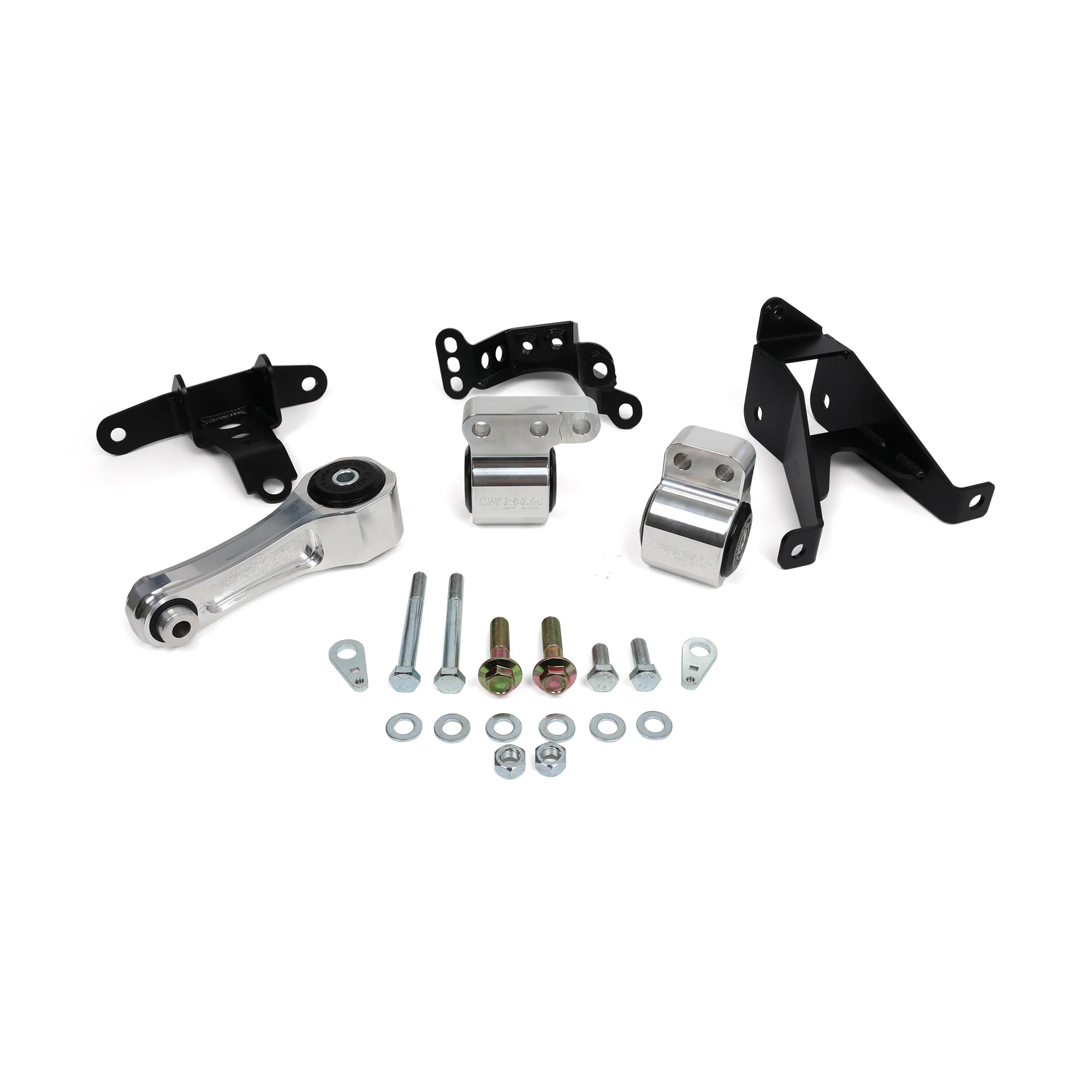
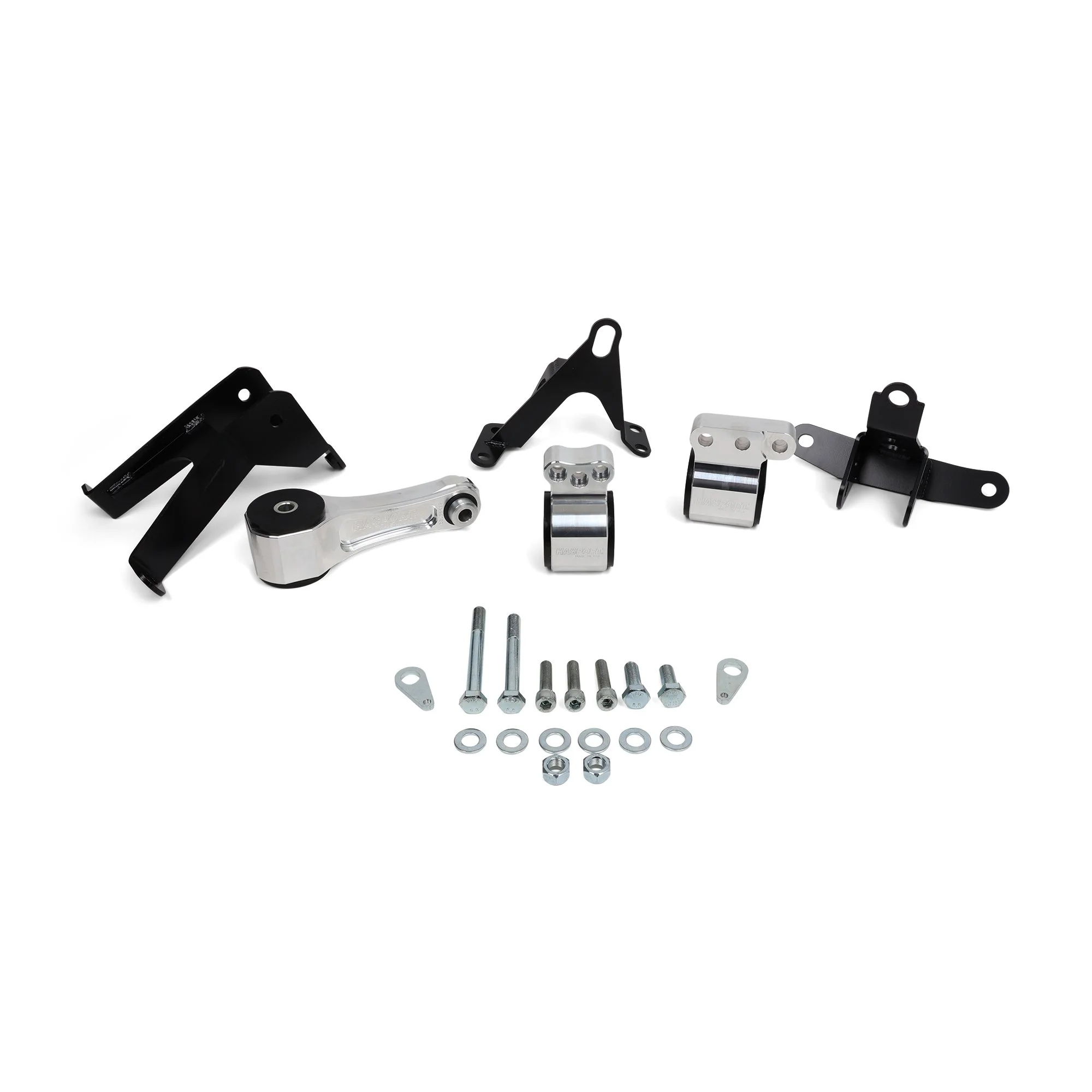
(1) Blow Off Valve Assembly(1) O-Ring(1) C-Ring(1) T-Fitting 6×4×6(1) T-Fitting 4×4×4(1) Air Filter Barbell


Description
- Iconic Blow Off Valve Sound
- Robust Nickel-Plated Metal Construction
- Advanced Pull-Type Valve Technology
- Dual Valve, Sequential Release System
- Description
- Vehicle Fitment
- Technical Data
- Included
- Install Guide
-
HKS Super Sequential SSQV4 Universal Blow Off Valve
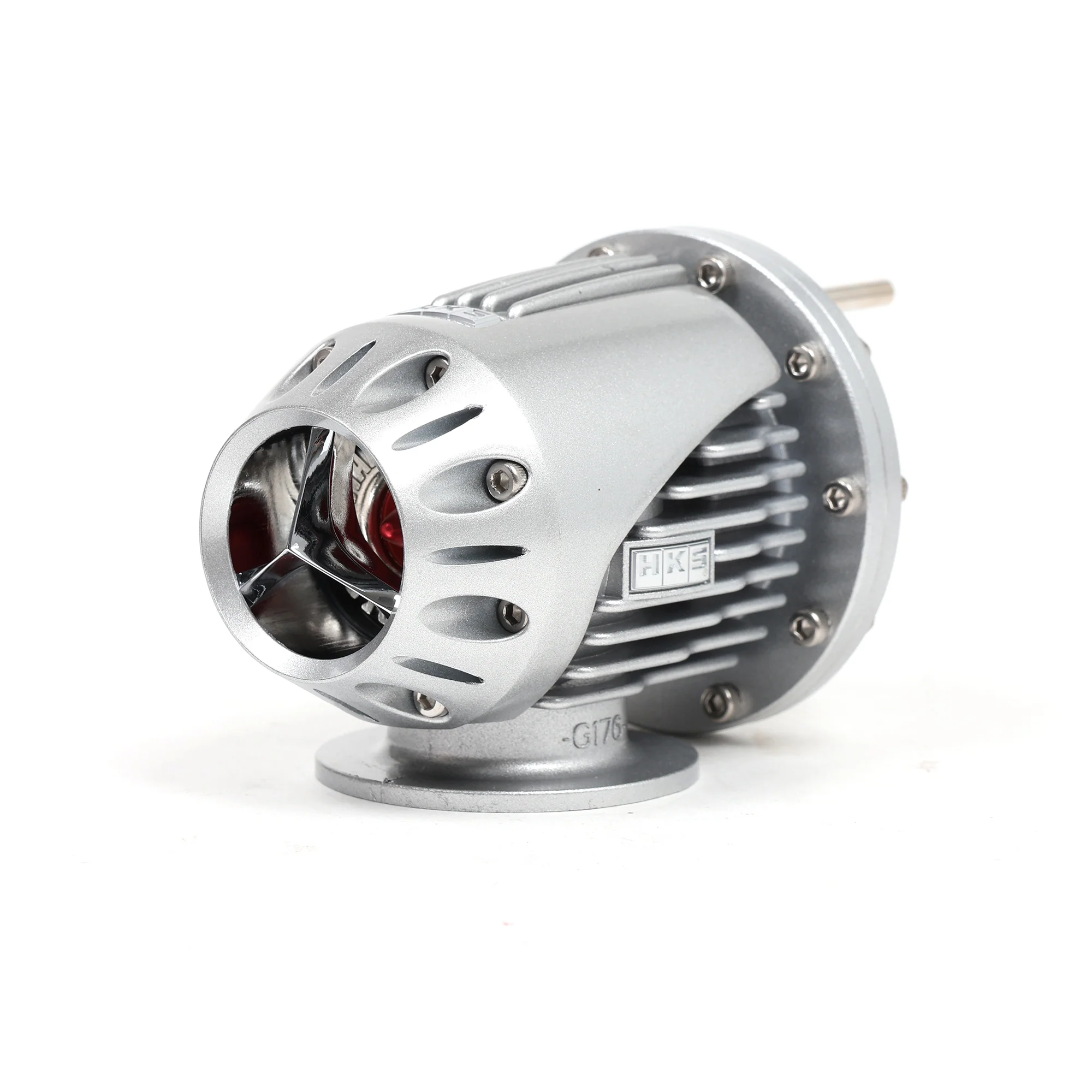
The HKS SSQV4's got legendary status in the turbo world. If you've seen any HKS demo car from the last twenty years, you've heard this blow off valve. That distinctive sequential flutter when you lift off the throttle? That's the SSQV4. This is a universal kit so it's not designed for a specific car, you're adapting it to your turbo setup with the included fittings and some fabrication work. If you're building a turbo Honda, Subaru, Mitsubishi, Nissan, or anything else with a turbocharger and you want a true JDM piece with the most iconic BOV sound in the game, this is it. Every car guy within three blocks is going to know exactly what you're running the second you lift off throttle.
Here's What Makes the SSQV4 Different
Most blow off valves use a single valve with a spring. You're setting the spring preload for your boost level and hoping it doesn't leak at high boost or fail to open at low boost. The SSQV4 uses a dual valve sequential system with a pull-type design. There's a small primary valve that opens instantly at low boost to vent initial pressure, and a larger secondary valve that opens at higher boost levels. The pull-type operation means the valve's being pulled open by vacuum instead of being pushed open by boost pressure. That gives you way more precise control and the valve works across a huge boost range without leaking. You can run this on a stock turbo making 8 PSI or a big turbo setup making 30+ PSI and it's not going to leak or fail to open.
How the Sequential Dual Valve System Works
At low boost, the primary valve opens and vents pressure. At higher boost levels, both the primary and secondary valves open together. The sequential operation means you're getting smooth, linear BOV response at any boost level. Push-type BOVs have a narrow operating range, if you set the spring too soft, the valve leaks under high boost and you can't hold your target pressure. If you set the spring too stiff, the valve won't open at low boost and you're getting compressor surge. The SSQV4 doesn't have that problem because the pull-type design and dual valve structure handle everything from stock boost to race-level boost without adjustments.
That Triple Fin Sound
The SSQV4's got three fins at the center of the funnel. Those fins create the aggressive sequential flutter sound that made this BOV famous. It's not a single loud PSSSH like cheaper BOVs, it's a distinctive multi-stage flutter that sounds like sequential turbos spooling down. That's what people recognize. HKS also makes an optional round fin that changes the sound character if you want to tune it differently, but most people run the stock triple fin because that's the iconic SSQV sound everyone wants.
Built to Last
The body's silver-coated aluminum die-cast. It looks good in the engine bay and it's not going to corrode or crack from heat cycles. The secondary valve's also die-cast metal instead of plastic. Cheap BOVs use plastic internal valves that warp or crack after a year of heat and boost pressure. The SSQV4's metal internals handle the abuse. This is a lifetime part if you install it properly and don't do something stupid like run it without a vacuum source.
Universal Kit Means You're Fabricating
This is a universal kit. HKS doesn't make vehicle-specific flanges or brackets for every car so you're adapting the SSQV4 to your setup. The kit comes with the BOV unit, O-rings, C-rings, T-fittings in different sizes (6mm x 4mm x 6mm and 4mm x 4mm x 4mm), an air filter for the vacuum source, and zip ties. You need to figure out how you're mounting it to your intercooler piping and how you're routing the vacuum line to your intake manifold. Most people weld a flange onto their charge pipe or they use a universal BOV flange adapter. If you're running aftermarket intercooler piping, a lot of kits come with BOV flanges already welded on. You just need to make sure the flange size matches the SSQV4 or you're adding an adapter.
What You Get
- HKS Super Sequential SSQV4 blow off valve unit
- Silver-coated aluminum die-cast body
- Die-cast metal secondary valve (not plastic)
- Triple fin design for iconic sequential flutter sound
- Pull-type relief valve operation
- Dual valve sequential system (primary and secondary valves)
- O-rings for sealing
- C-rings for assembly
- T-fitting 6mm x 4mm x 6mm (vacuum line routing)
- T-fitting 4mm x 4mm x 4mm (vacuum line routing)
- Air filter for vacuum source
- Zip ties
- Universal fitment (not vehicle-specific)
Fits Any Turbocharged Vehicle
This is a universal blow off valve. It works on any car with a turbocharger as long as you adapt it properly. Honda, Acura, Subaru, Mitsubishi, Nissan, Mazda, Toyota, Hyundai, domestic turbo builds, doesn't matter. The SSQV4's designed to work from stock boost levels to race setups without modifications or spring changes, though modern Honda/Acura vehicles such as the Civic Type R and Civic Si, should use the vehicle specific kits for their applications.
Note: This is a universal kit. You're responsible for mounting the SSQV4 to your intercooler piping and routing the vacuum line to your intake manifold. Most setups require welding a flange to your charge pipe or using a universal BOV flange adapter. Make sure you're running a proper vacuum source from your intake manifold, not from a boost-referenced location. The SSQV4 needs manifold vacuum to operate correctly. If you don't have a vacuum source, the valve won't open and you'll get compressor surge. The included T-fittings are for splitting your vacuum line if you're running multiple vacuum-operated accessories. Don't vent the BOV to atmosphere if you're running a MAF-based ECU (most modern cars). Venting to atmosphere causes the ECU to see a lean condition because it's already calculated for the air that just vented out. Recirculate the BOV back into your intake before the turbo if you're on a MAF setup. On speed-density or standalone ECU setups, you can vent to atmosphere without issues.
-
Universal**Not Intended for Modern Turbo Honda/Acura Applications, Check Vehicle Specific Kits
-
(1) Blow Off Valve Assembly(1) O-Ring(1) C-Ring(1) T-Fitting 6×4×6(1) T-Fitting 4×4×4(1) Air Filter Barbell