Walbro 450LPH E85 Fuel Pump for Honda/Acura
- Supports Up to 950 HP
- Designed for E85 Compatibility
- High-Pressure, High-Flow Performance
- Available in Two Pressure Types
- Description
- Vehicle Fitment
- Technical Data
- Included
- Install Guide
-
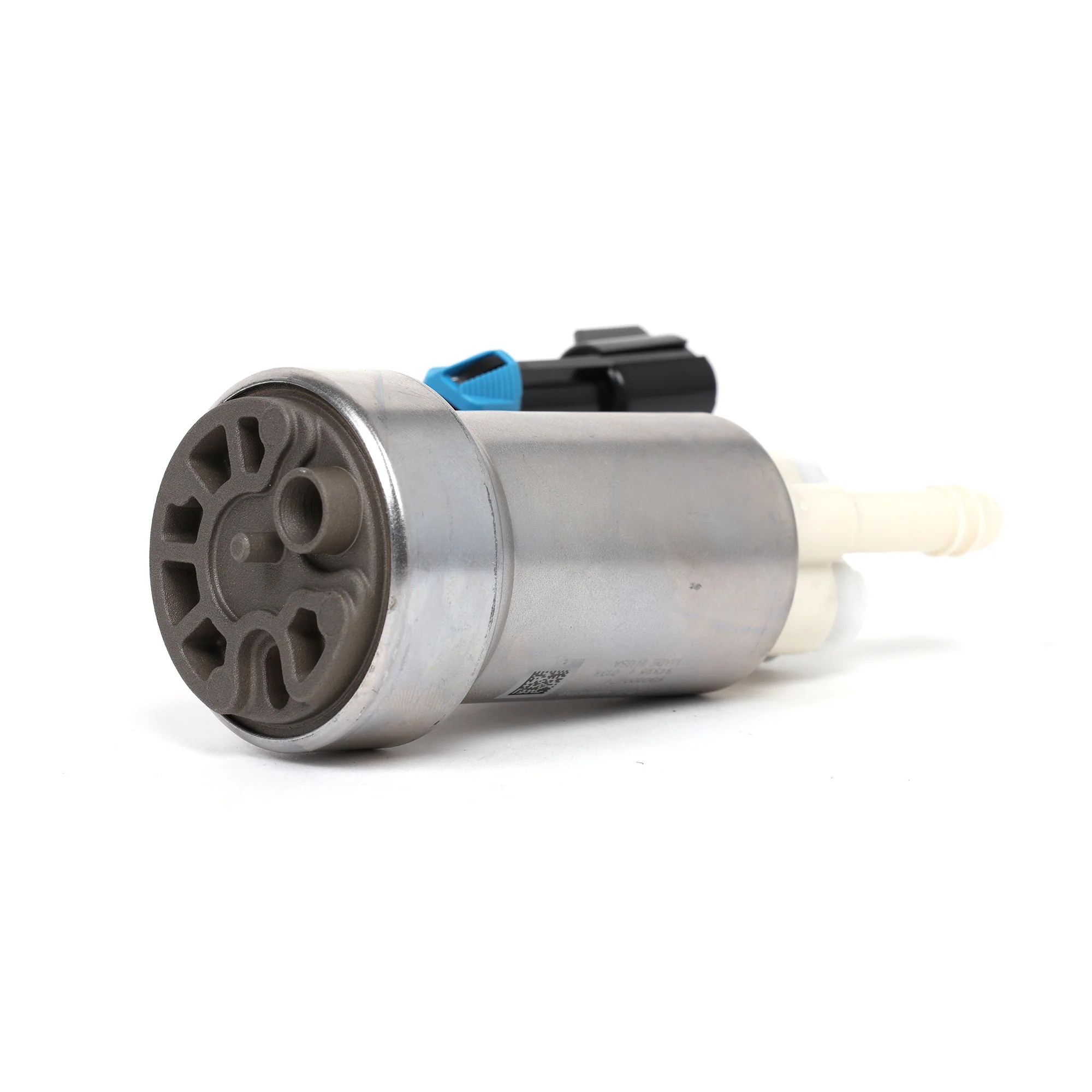
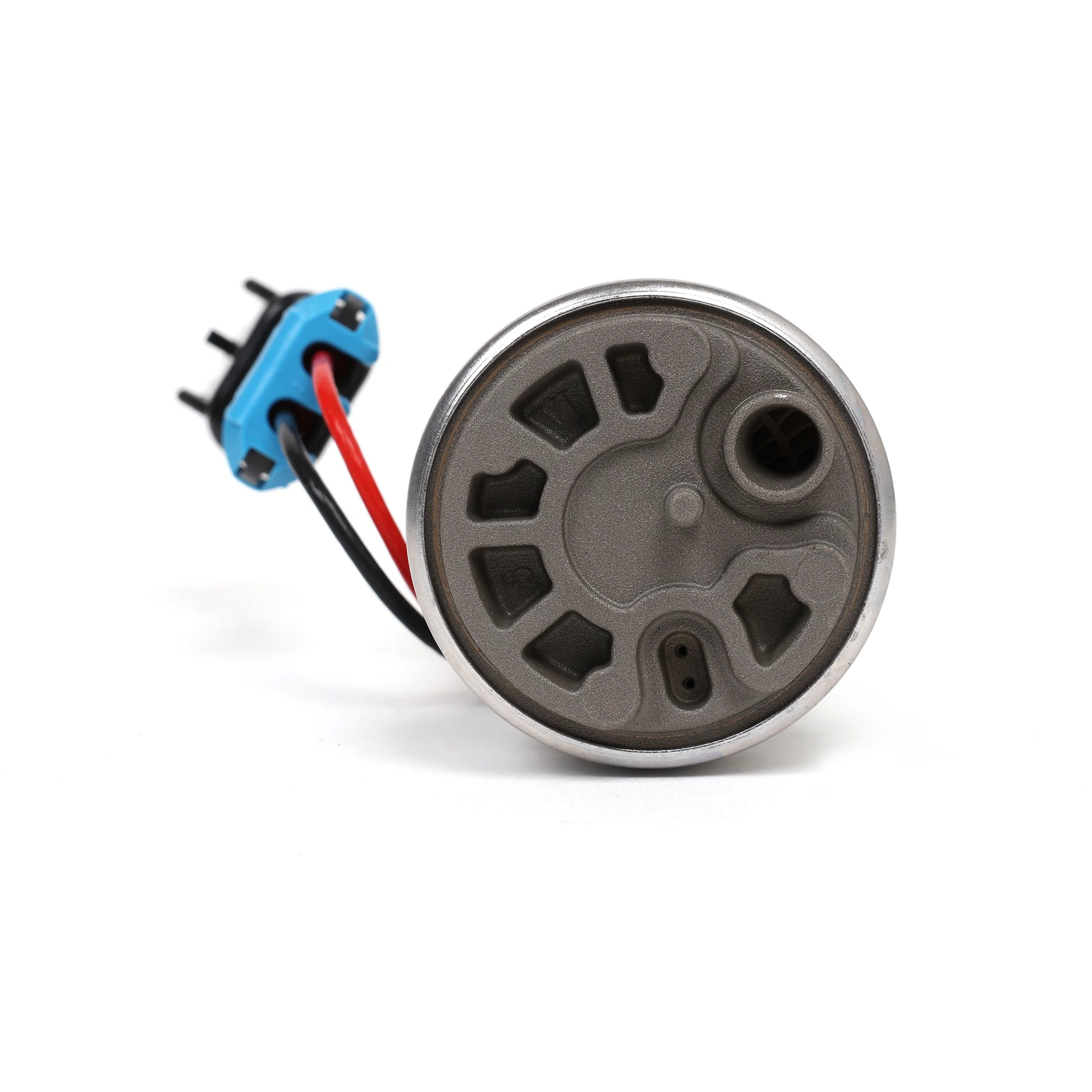
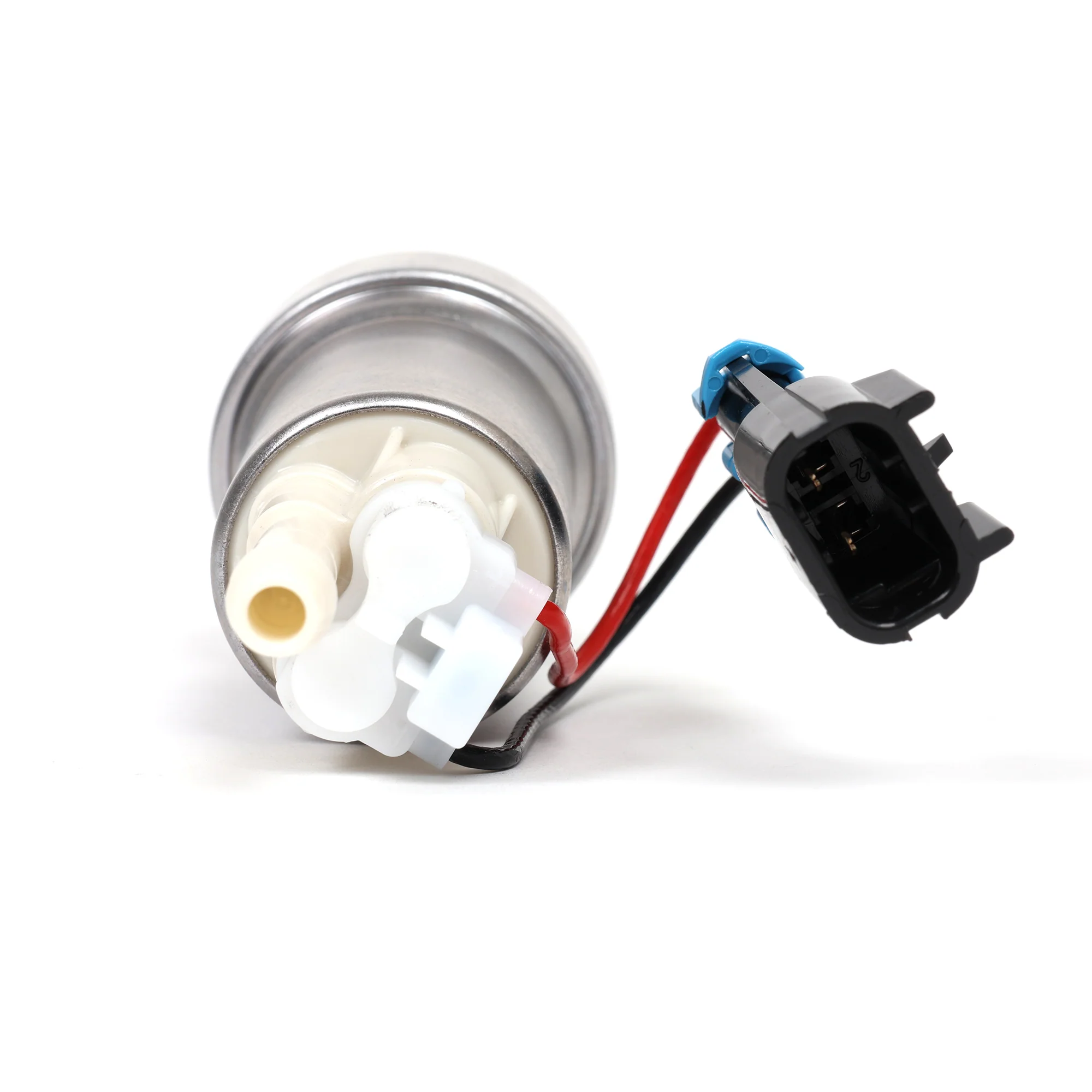
Walbro 450 LPH E85 Compatible In-Tank Fuel Pump
You've spent months building your engine. You've ported the head, swapped cams, forged the internals, and tuned it. You're making 500 whp on E85 or 700 whp on pump gas and none of that matters if your fuel pump can't deliver enough fuel when you're at full throttle. You're not running a stock fuel pump. That thing's done. Walbro makes two versions of the 450 LPH pump and you need to know the difference before you buy. There's the standard 450 (F90000267) and the 450 High Pressure (F90000274). Both pumps flow 450 LPH at 50 PSI. Both pumps support 500+ hp on E85 and 700+ hp on pump gas. Here's the difference and it's the only difference that matters. The standard 450 bleeds off pressure at 80 PSI. The High Pressure doesn't bleed until 110 PSI. If you're running 50 PSI base fuel pressure and 30 PSI of boost, you're at 80 PSI total. The standard pump's relief valve opens and you lose fuel pressure. You go lean. You detonate. You pull timing. The High Pressure pump holds 110 PSI before it bleeds. It doesn't care about 80 PSI. Buy the High Pressure version (F90000274). It's the one everyone runs and there's zero downside to running it even if you're not making big boost yet.
Standard 450 vs. High Pressure 450 - Here's What Actually Matters
Both pumps are identical up to 80 PSI. They flow the same. They cost about the same. They're both rated for E85. The only difference is when the pressure relief valve opens. The standard 450's relief opens at 80 PSI. The High Pressure's relief opens at 110 PSI. That's it. That's the whole difference. Now here's why that matters. Your fuel pressure at the pump is base pressure plus boost pressure. Most people run 40-50 PSI base. If you're running 20 PSI of boost, you're at 60-70 PSI total. Both pumps handle that fine. If you're running 30 PSI of boost with 50 PSI base, you're at 80 PSI total. The standard pump's relief valve opens right there. The pump starts bleeding pressure to protect itself. Your fuel pressure drops even though you're still wide open. Your AFR goes lean. Your knock sensor's lighting up. You're pulling timing or detonating. The High Pressure pump doesn't open its relief until 110 PSI. You're at 80 PSI and it's not even working hard yet. Your fuel pressure stays flat. Your AFR stays where you tuned it. You make the power you're supposed to make.
Just Buy the High Pressure Version - Here's Why
The High Pressure version (F90000274) costs the same as the standard version. It flows the same. It fits the same. The only difference is it holds pressure to 110 PSI instead of 80 PSI. There's no downside. None. If you're running low boost right now (15 PSI or less), the High Pressure version works perfectly. If you turn the boost up next year to 25 PSI, the High Pressure version still works perfectly. If you buy the standard version and turn the boost up later, you're dropping the tank and swapping pumps. That's stupid. Buy the High Pressure version once and you're done. It's designed for engines making over 750 hp. It's the perfect replacement for a twin-pump setup if you're trying to avoid running two pumps. It outperforms every other in-tank pump on the market. This is the pump people mean when they say "just run the Walbro 450." They're talking about the High Pressure version.
Dual-Channel Design Means It Doesn't Lose Flow When Fuel Gets Hot
Cheap pumps use a single-channel impeller design. One row of blades pushes fuel through one channel. When the fuel heats up from hard driving, the pump has to work harder to overcome the pressure. It generates more heat. The pump heats up. Efficiency drops. You lose flow even though the pump's still spinning. You're on a dyno doing back-to-back pulls and by the third pull your fuel pressure's sagging because the pump's heat-soaked. Walbro's dual-channel turbine design splits the fuel between two channels instead of one. Each channel does half the work. The pump runs cooler. It maintains flow when the fuel's hot. The dual-channel design is 20% more efficient than a conventional single-stage pump. It flows better when it's hot. It's quieter. It draws less current. If you're tracking your car or drag racing or doing dyno tuning, the fuel gets hot fast. This pump doesn't care. It holds flow.
E85 Compatible Means Actually Tested, Not Just a Sticker
Walbro validates these pumps to OEM specifications for E85 and flex fuel. That's not marketing. They actually test the pump with ethanol to make sure the seals don't swell and the impeller doesn't corrode. Cheap pumps say "E85 compatible" and hope for the best. The seals swell after six months. The impeller corrodes. The pump fails. Walbro uses materials that handle ethanol, methanol, and gasoline without degrading. We've run these exact pumps in our own E85 cars for years. They don't fail. If you're running E85 full-time or you're running flex fuel where you're switching between pump gas and E85, this pump works. It's designed for E85. It's tested for E85. It doesn't die on E85.
Your Wiring Matters More Than You Think
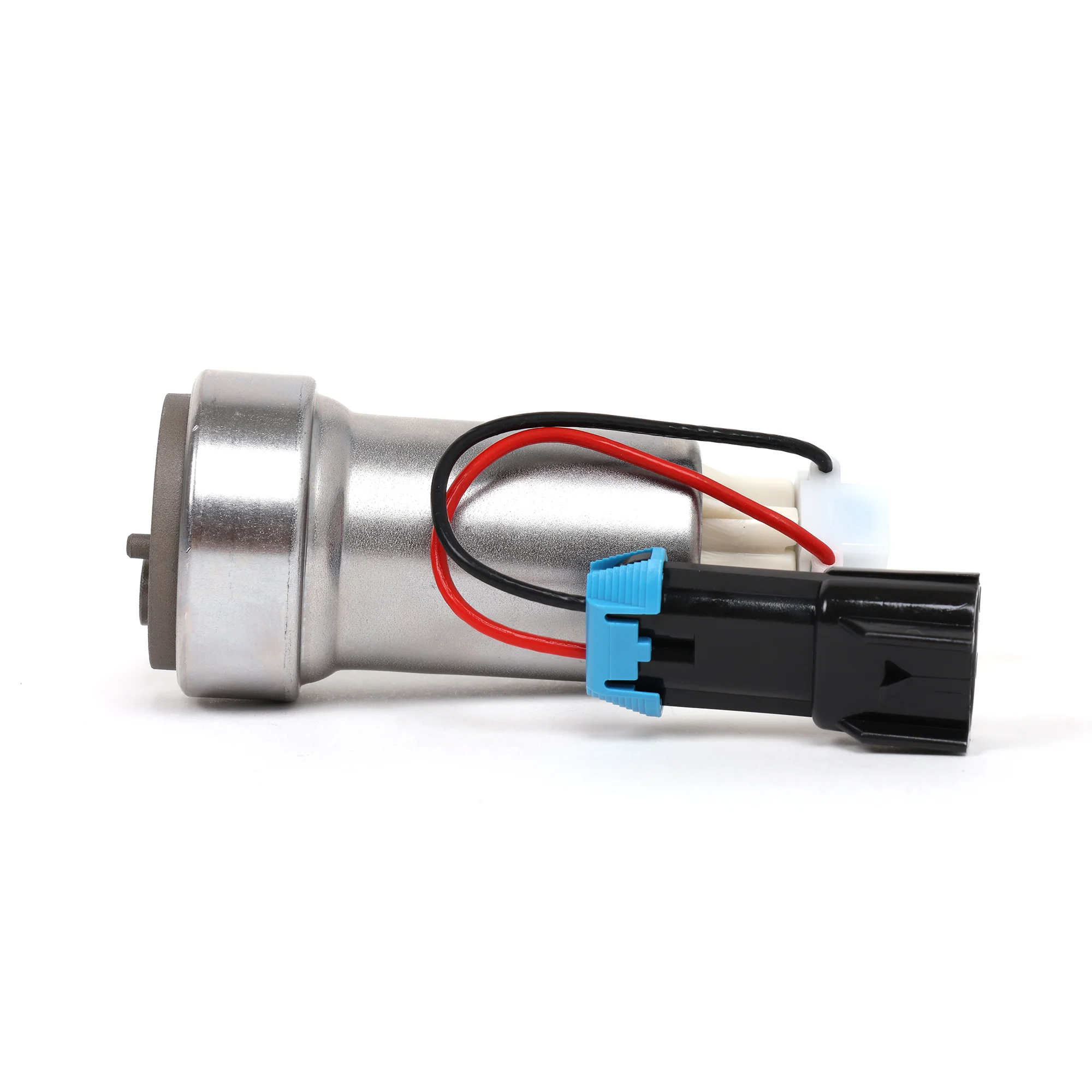
This pump flows 450 LPH at 13.5 volts. At 11 volts it flows maybe 380 LPH. That's a massive loss. Here's what happens. You install the pump. You wire it up with the stock fuel pump wiring because you don't want to run new wire. The stock wiring's 16-gauge or 18-gauge with a 15-amp fuse. The pump pulls 12-15 amps under load. The thin wire can't handle the current. Voltage drops from 13.5 volts at the battery to 11 volts at the pump. You just lost 70 LPH of flow because of bad wiring. You're going lean and you think the pump's not big enough. The pump's fine. Your wiring's garbage. Run 10-gauge or 12-gauge wire from the battery to a relay. Run the relay output to the pump with heavy wire. Use a 25-amp fuse. The stock wiring just triggers the relay. The heavy wire carries the load. Do it right or don't bother buying a good pump. The pump comes with a Packard connector so you're not cutting and splicing wires at the pump. But you still need to run proper power and ground.
What You Get
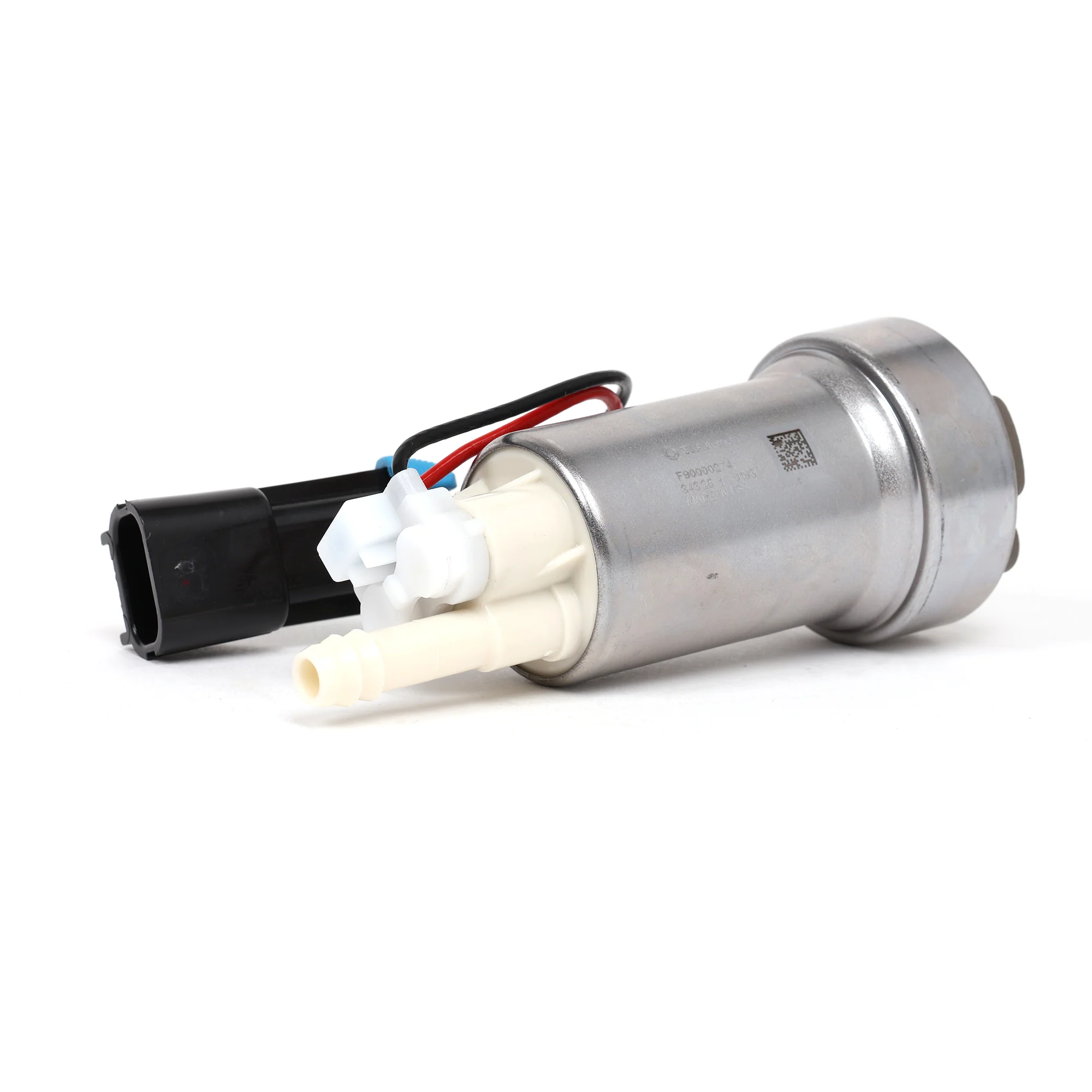
- Walbro 450 LPH in-tank fuel pump - select Standard (F90000267) or High Pressure (F90000274)
- Standard 450 (F90000267): Flows 450 LPH @ 50 PSI, bleeds pressure at 80 PSI, works for low-moderate boost, supports 500+ HP E85 / 700+ HP pump gas
- High Pressure 450 (F90000274): Flows 450 LPH @ 50 PSI, bleeds pressure at 110 PSI, works for low-high boost, supports 500+ HP E85 / 700+ HP pump gas, designed for 750+ HP builds
- Dual-channel turbine design (20% more efficient than single-stage pumps, better hot fuel flow, quieter, lower current draw)
- OEM-validated E85 and flex fuel compatible (actually tested, not just labeled)
- Integrated Packard connector harness included
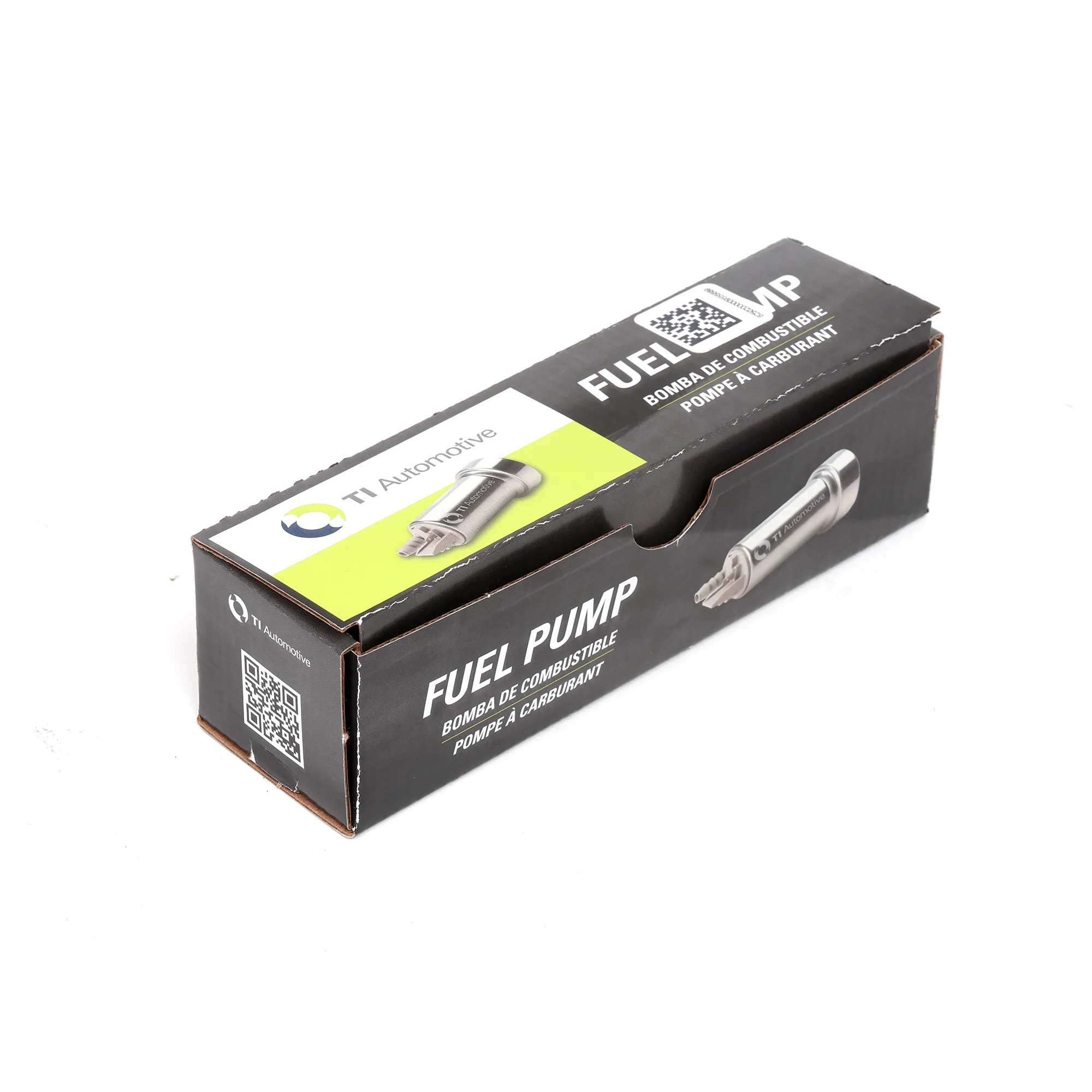
- Made in USA by TI Automotive (Walbro parent company)
- Perfect alternative to twin-pump setups
- Operating pressure range: 35-120 PSI
Note: Buy the High Pressure version (F90000274) unless you have a specific reason not to. It costs the same, flows the same, and works for everything from low boost to high boost. The standard version (F90000267) bleeds pressure at 80 PSI which makes it useless for high boost applications (25+ PSI boost). If you're running 50 PSI base + 30 PSI boost = 80 PSI total, the standard pump bleeds and you go lean. The High Pressure holds to 110 PSI. Install kit sold separately - you need a fuel pump hanger or assembly for your specific car. This pump requires proper wiring - do NOT use stock fuel pump wiring. Run dedicated 10-12 gauge wire with a relay and 25-amp fuse or you'll lose 70+ LPH of flow from voltage drop. The pump flows 450 LPH at 13.5V and only 380 LPH at 11V. Bad wiring kills flow. Professional installation recommended unless you know how to drop a fuel tank and wire a high-current fuel pump correctly. The F90000267 standard version requires modifications to wiring, fuel lines, and fuel module. Both versions have dual-channel turbine design that's 20% more efficient than conventional pumps with better hot fuel flow. E85 compatible means OEM-validated and tested, not just a sticker. Works for flex fuel switching between pump gas and E85. Perfect alternative to twin-pump setups - simpler install, one less failure point, outperforms all current in-tank pumps on the market.
- Universal
- (1) Fuel Pump
Original: $121.66
-65%$121.66
$42.58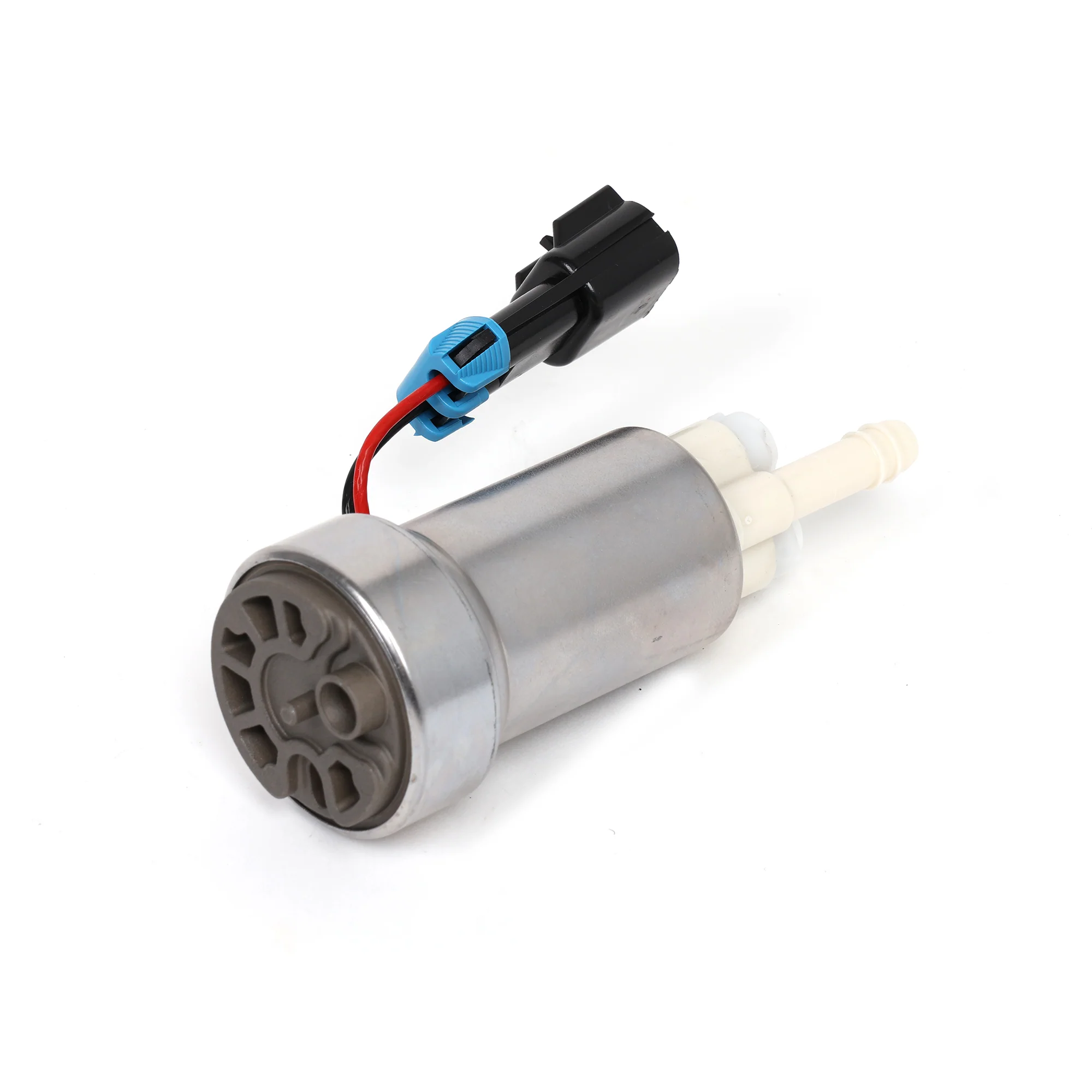
Description
- Supports Up to 950 HP
- Designed for E85 Compatibility
- High-Pressure, High-Flow Performance
- Available in Two Pressure Types
- Description
- Vehicle Fitment
- Technical Data
- Included
- Install Guide
-
Walbro 450 LPH E85 Compatible In-Tank Fuel Pump
You've spent months building your engine. You've ported the head, swapped cams, forged the internals, and tuned it. You're making 500 whp on E85 or 700 whp on pump gas and none of that matters if your fuel pump can't deliver enough fuel when you're at full throttle. You're not running a stock fuel pump. That thing's done. Walbro makes two versions of the 450 LPH pump and you need to know the difference before you buy. There's the standard 450 (F90000267) and the 450 High Pressure (F90000274). Both pumps flow 450 LPH at 50 PSI. Both pumps support 500+ hp on E85 and 700+ hp on pump gas. Here's the difference and it's the only difference that matters. The standard 450 bleeds off pressure at 80 PSI. The High Pressure doesn't bleed until 110 PSI. If you're running 50 PSI base fuel pressure and 30 PSI of boost, you're at 80 PSI total. The standard pump's relief valve opens and you lose fuel pressure. You go lean. You detonate. You pull timing. The High Pressure pump holds 110 PSI before it bleeds. It doesn't care about 80 PSI. Buy the High Pressure version (F90000274). It's the one everyone runs and there's zero downside to running it even if you're not making big boost yet.
Standard 450 vs. High Pressure 450 - Here's What Actually Matters
Both pumps are identical up to 80 PSI. They flow the same. They cost about the same. They're both rated for E85. The only difference is when the pressure relief valve opens. The standard 450's relief opens at 80 PSI. The High Pressure's relief opens at 110 PSI. That's it. That's the whole difference. Now here's why that matters. Your fuel pressure at the pump is base pressure plus boost pressure. Most people run 40-50 PSI base. If you're running 20 PSI of boost, you're at 60-70 PSI total. Both pumps handle that fine. If you're running 30 PSI of boost with 50 PSI base, you're at 80 PSI total. The standard pump's relief valve opens right there. The pump starts bleeding pressure to protect itself. Your fuel pressure drops even though you're still wide open. Your AFR goes lean. Your knock sensor's lighting up. You're pulling timing or detonating. The High Pressure pump doesn't open its relief until 110 PSI. You're at 80 PSI and it's not even working hard yet. Your fuel pressure stays flat. Your AFR stays where you tuned it. You make the power you're supposed to make.
Just Buy the High Pressure Version - Here's Why
The High Pressure version (F90000274) costs the same as the standard version. It flows the same. It fits the same. The only difference is it holds pressure to 110 PSI instead of 80 PSI. There's no downside. None. If you're running low boost right now (15 PSI or less), the High Pressure version works perfectly. If you turn the boost up next year to 25 PSI, the High Pressure version still works perfectly. If you buy the standard version and turn the boost up later, you're dropping the tank and swapping pumps. That's stupid. Buy the High Pressure version once and you're done. It's designed for engines making over 750 hp. It's the perfect replacement for a twin-pump setup if you're trying to avoid running two pumps. It outperforms every other in-tank pump on the market. This is the pump people mean when they say "just run the Walbro 450." They're talking about the High Pressure version.
Dual-Channel Design Means It Doesn't Lose Flow When Fuel Gets Hot
Cheap pumps use a single-channel impeller design. One row of blades pushes fuel through one channel. When the fuel heats up from hard driving, the pump has to work harder to overcome the pressure. It generates more heat. The pump heats up. Efficiency drops. You lose flow even though the pump's still spinning. You're on a dyno doing back-to-back pulls and by the third pull your fuel pressure's sagging because the pump's heat-soaked. Walbro's dual-channel turbine design splits the fuel between two channels instead of one. Each channel does half the work. The pump runs cooler. It maintains flow when the fuel's hot. The dual-channel design is 20% more efficient than a conventional single-stage pump. It flows better when it's hot. It's quieter. It draws less current. If you're tracking your car or drag racing or doing dyno tuning, the fuel gets hot fast. This pump doesn't care. It holds flow.
E85 Compatible Means Actually Tested, Not Just a Sticker
Walbro validates these pumps to OEM specifications for E85 and flex fuel. That's not marketing. They actually test the pump with ethanol to make sure the seals don't swell and the impeller doesn't corrode. Cheap pumps say "E85 compatible" and hope for the best. The seals swell after six months. The impeller corrodes. The pump fails. Walbro uses materials that handle ethanol, methanol, and gasoline without degrading. We've run these exact pumps in our own E85 cars for years. They don't fail. If you're running E85 full-time or you're running flex fuel where you're switching between pump gas and E85, this pump works. It's designed for E85. It's tested for E85. It doesn't die on E85.
Your Wiring Matters More Than You Think
This pump flows 450 LPH at 13.5 volts. At 11 volts it flows maybe 380 LPH. That's a massive loss. Here's what happens. You install the pump. You wire it up with the stock fuel pump wiring because you don't want to run new wire. The stock wiring's 16-gauge or 18-gauge with a 15-amp fuse. The pump pulls 12-15 amps under load. The thin wire can't handle the current. Voltage drops from 13.5 volts at the battery to 11 volts at the pump. You just lost 70 LPH of flow because of bad wiring. You're going lean and you think the pump's not big enough. The pump's fine. Your wiring's garbage. Run 10-gauge or 12-gauge wire from the battery to a relay. Run the relay output to the pump with heavy wire. Use a 25-amp fuse. The stock wiring just triggers the relay. The heavy wire carries the load. Do it right or don't bother buying a good pump. The pump comes with a Packard connector so you're not cutting and splicing wires at the pump. But you still need to run proper power and ground.
What You Get
- Walbro 450 LPH in-tank fuel pump - select Standard (F90000267) or High Pressure (F90000274)
- Standard 450 (F90000267): Flows 450 LPH @ 50 PSI, bleeds pressure at 80 PSI, works for low-moderate boost, supports 500+ HP E85 / 700+ HP pump gas
- High Pressure 450 (F90000274): Flows 450 LPH @ 50 PSI, bleeds pressure at 110 PSI, works for low-high boost, supports 500+ HP E85 / 700+ HP pump gas, designed for 750+ HP builds
- Dual-channel turbine design (20% more efficient than single-stage pumps, better hot fuel flow, quieter, lower current draw)
- OEM-validated E85 and flex fuel compatible (actually tested, not just labeled)
- Integrated Packard connector harness included
- Made in USA by TI Automotive (Walbro parent company)
- Perfect alternative to twin-pump setups
- Operating pressure range: 35-120 PSI
Note: Buy the High Pressure version (F90000274) unless you have a specific reason not to. It costs the same, flows the same, and works for everything from low boost to high boost. The standard version (F90000267) bleeds pressure at 80 PSI which makes it useless for high boost applications (25+ PSI boost). If you're running 50 PSI base + 30 PSI boost = 80 PSI total, the standard pump bleeds and you go lean. The High Pressure holds to 110 PSI. Install kit sold separately - you need a fuel pump hanger or assembly for your specific car. This pump requires proper wiring - do NOT use stock fuel pump wiring. Run dedicated 10-12 gauge wire with a relay and 25-amp fuse or you'll lose 70+ LPH of flow from voltage drop. The pump flows 450 LPH at 13.5V and only 380 LPH at 11V. Bad wiring kills flow. Professional installation recommended unless you know how to drop a fuel tank and wire a high-current fuel pump correctly. The F90000267 standard version requires modifications to wiring, fuel lines, and fuel module. Both versions have dual-channel turbine design that's 20% more efficient than conventional pumps with better hot fuel flow. E85 compatible means OEM-validated and tested, not just a sticker. Works for flex fuel switching between pump gas and E85. Perfect alternative to twin-pump setups - simpler install, one less failure point, outperforms all current in-tank pumps on the market.
- Universal
- (1) Fuel Pump