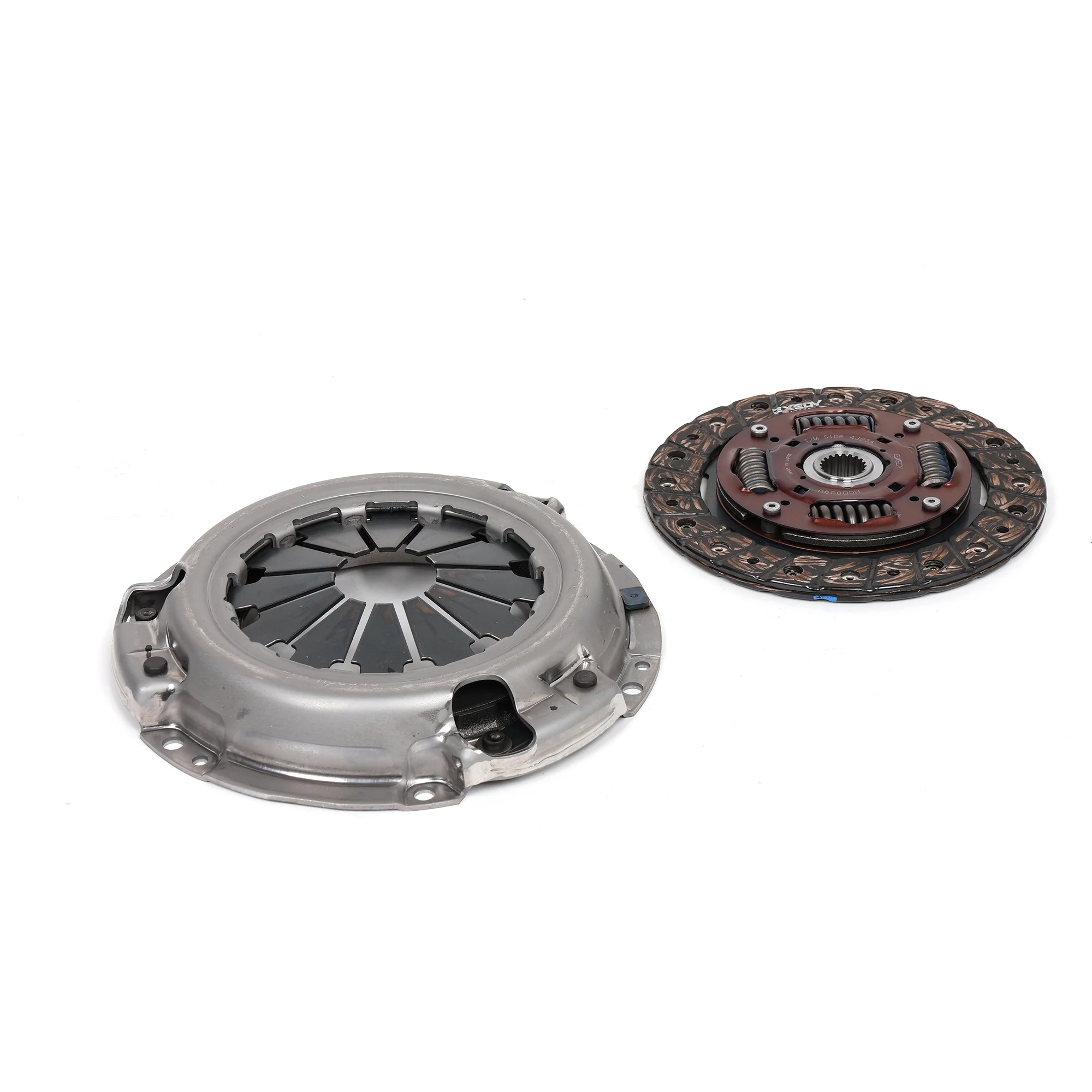
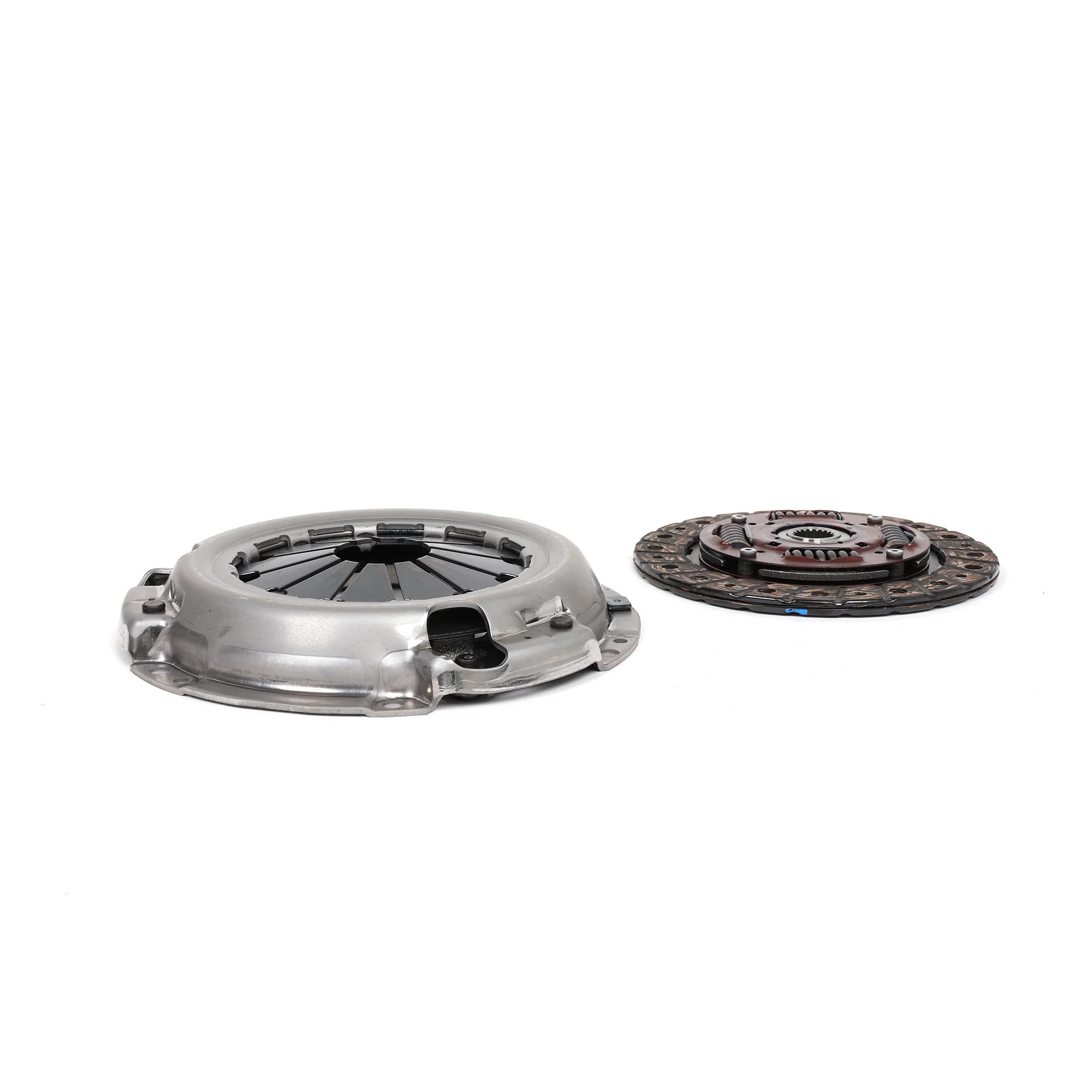
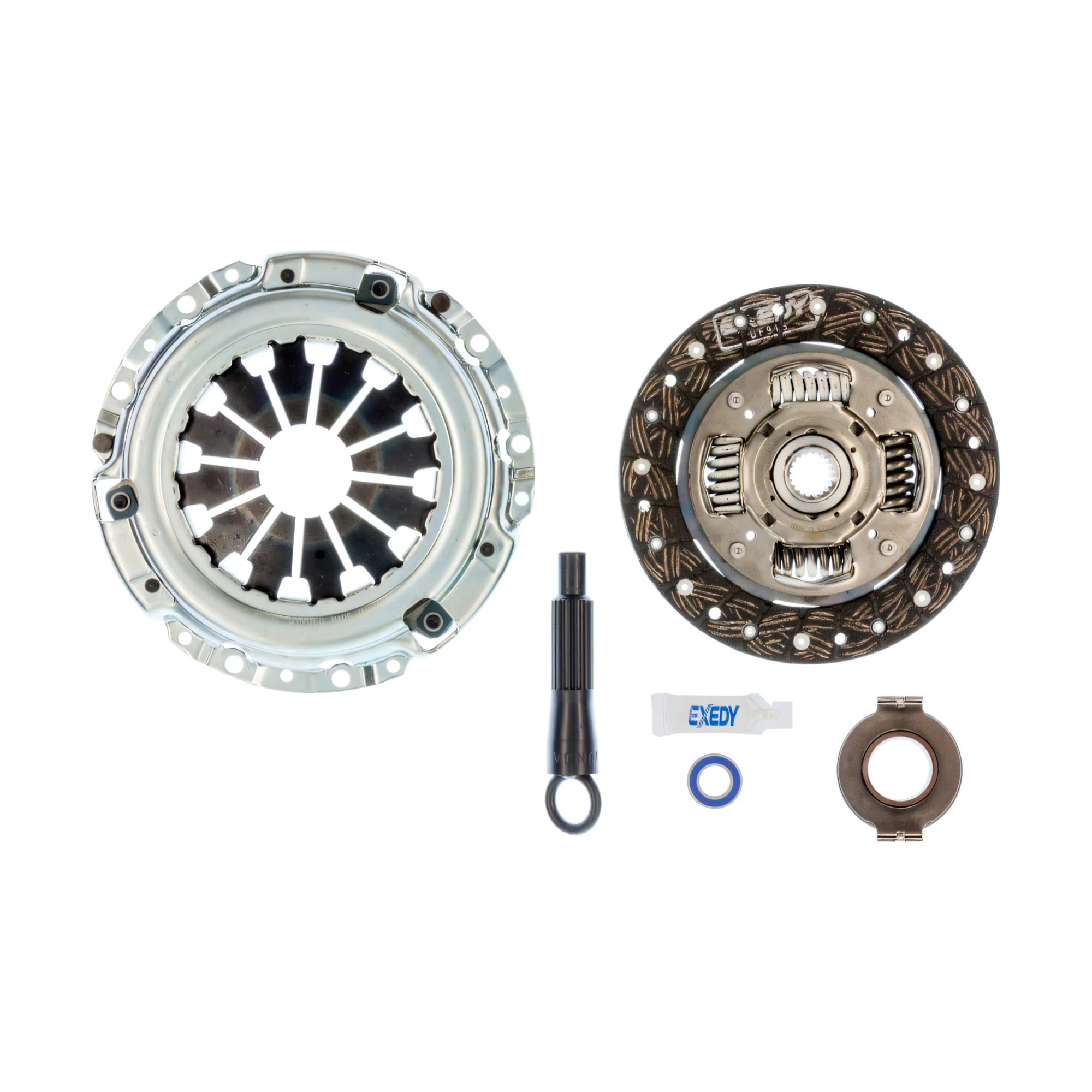
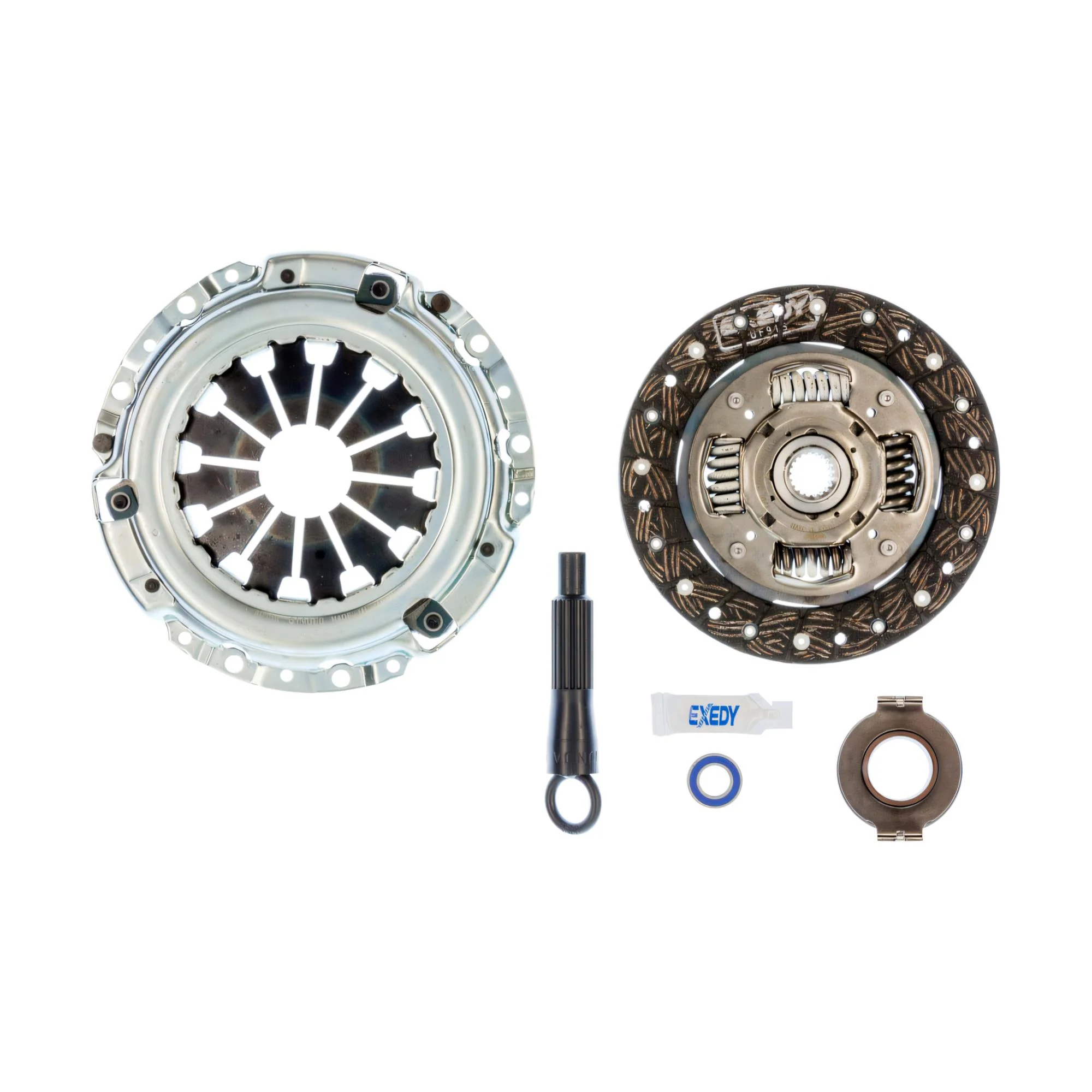
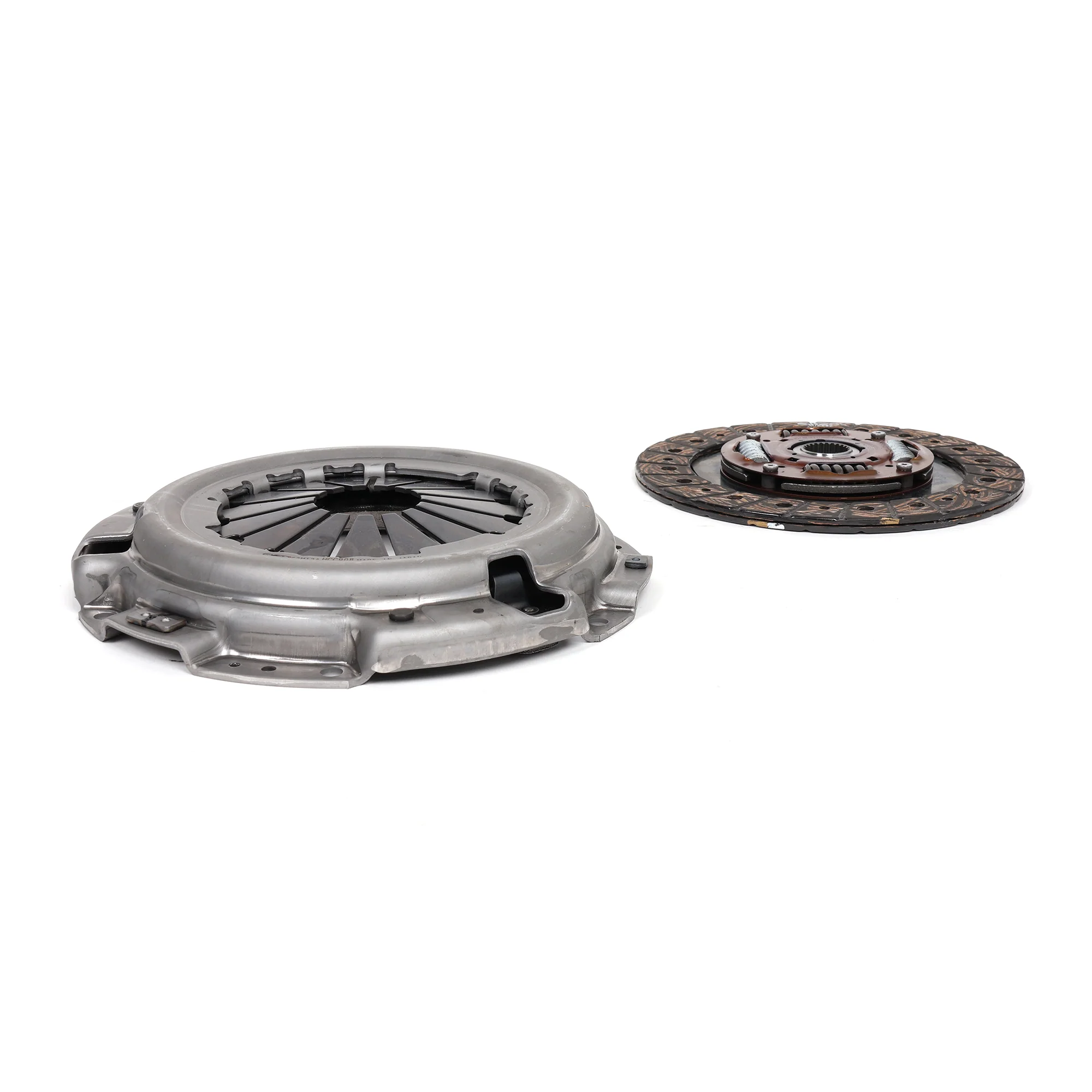
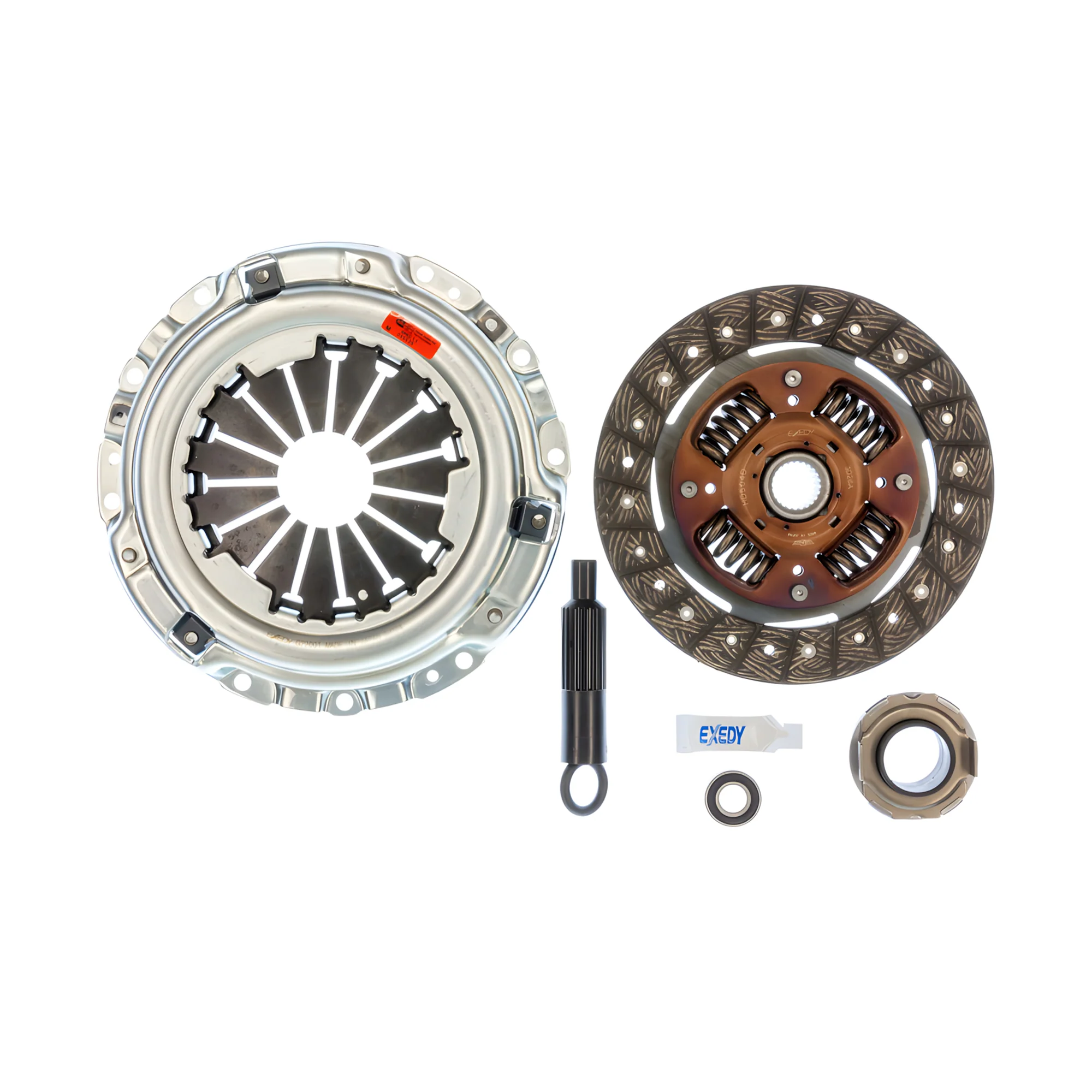
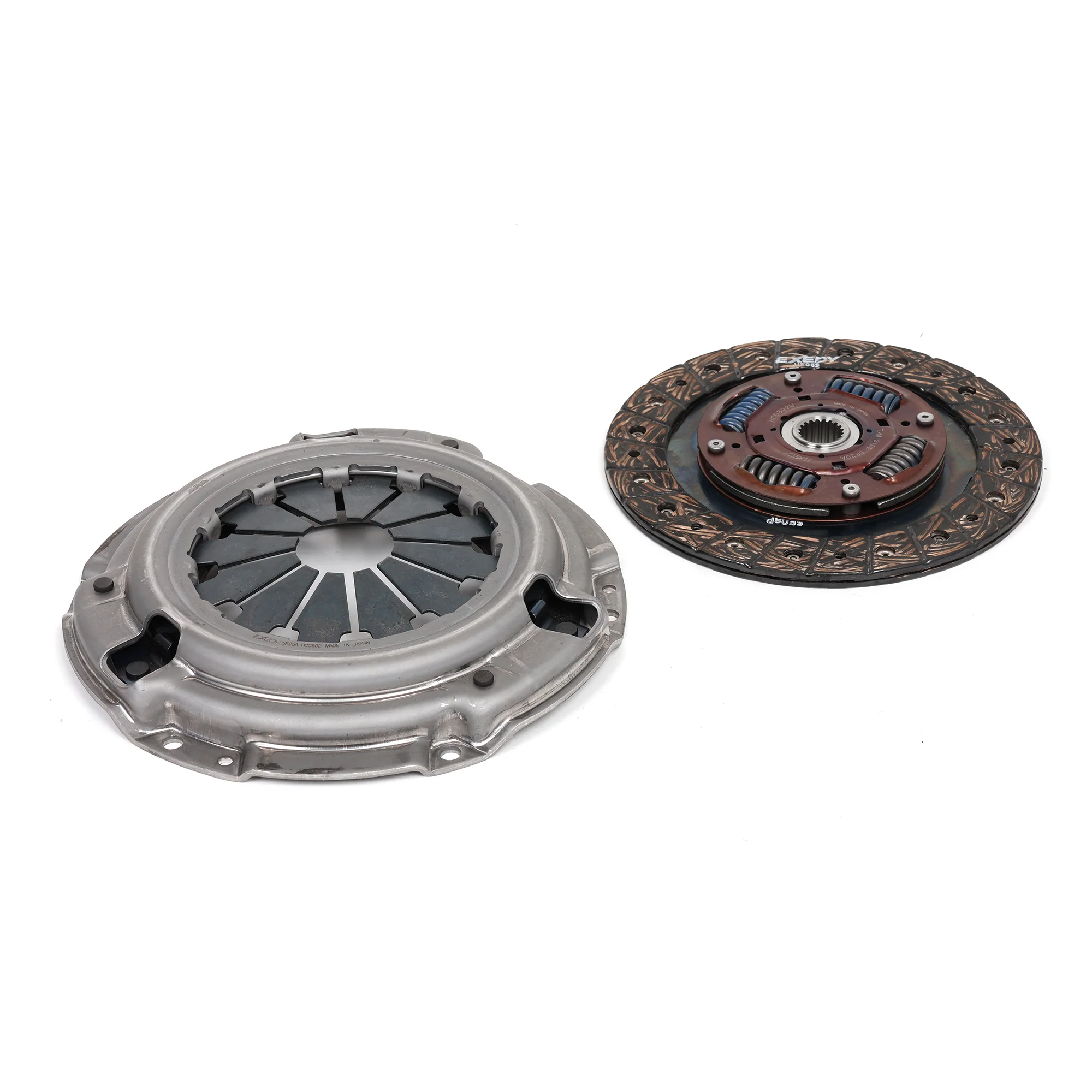
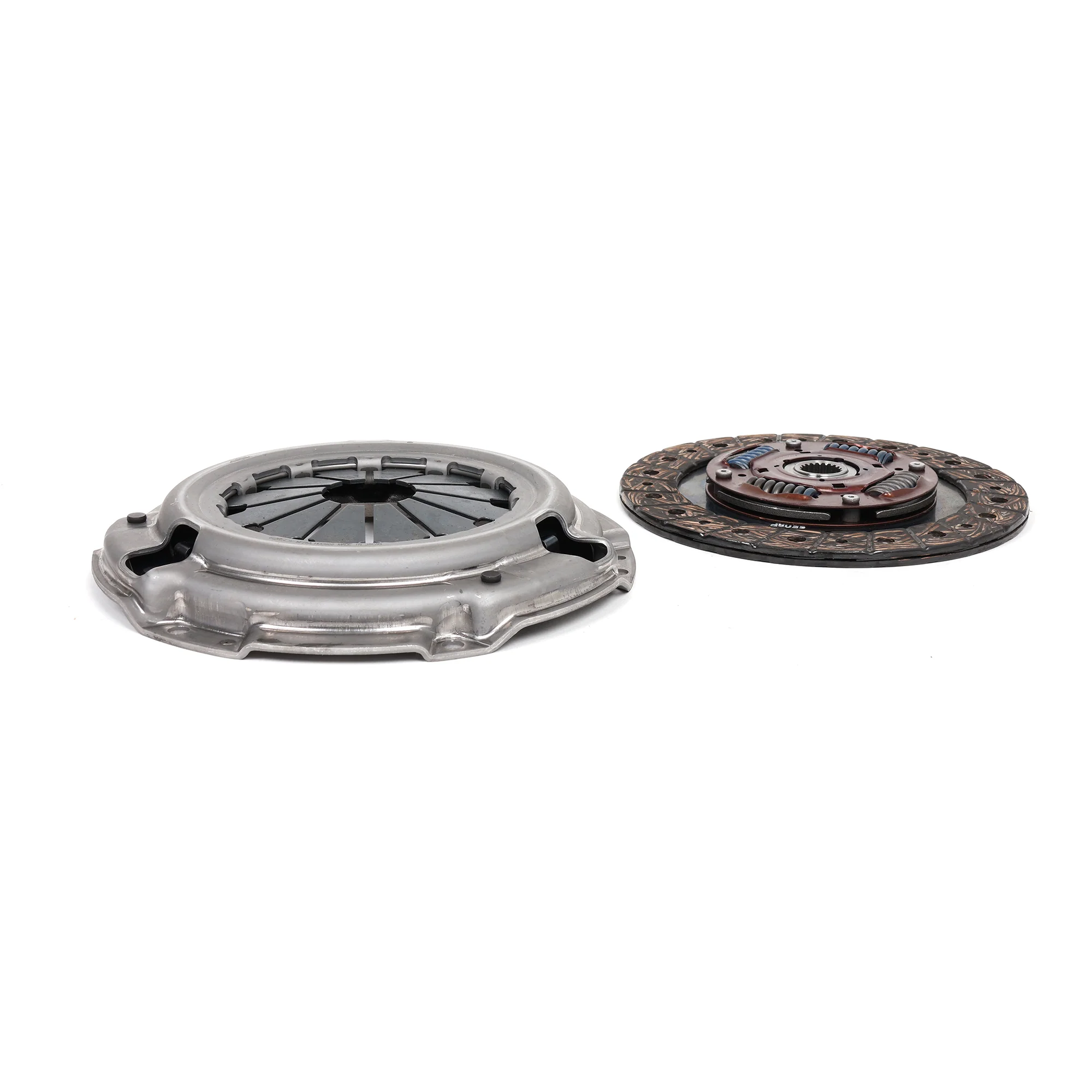
Competition Clutch 184mm Twin Disc Clutch Kit for Acura/Honda
- Supports up to 1350 HP.
- Advanced CAD/CAM design technology.
- Self-centering Power-V drive system.
- Direct bolt-in for easy installation.
- Assembled and tested in the USA.
- Description
- Vehicle Fitment
- Technical Data
- Install Guide
-
Competition Clutch B-Series 184mm Twin Disc Ceramic Clutch Kit
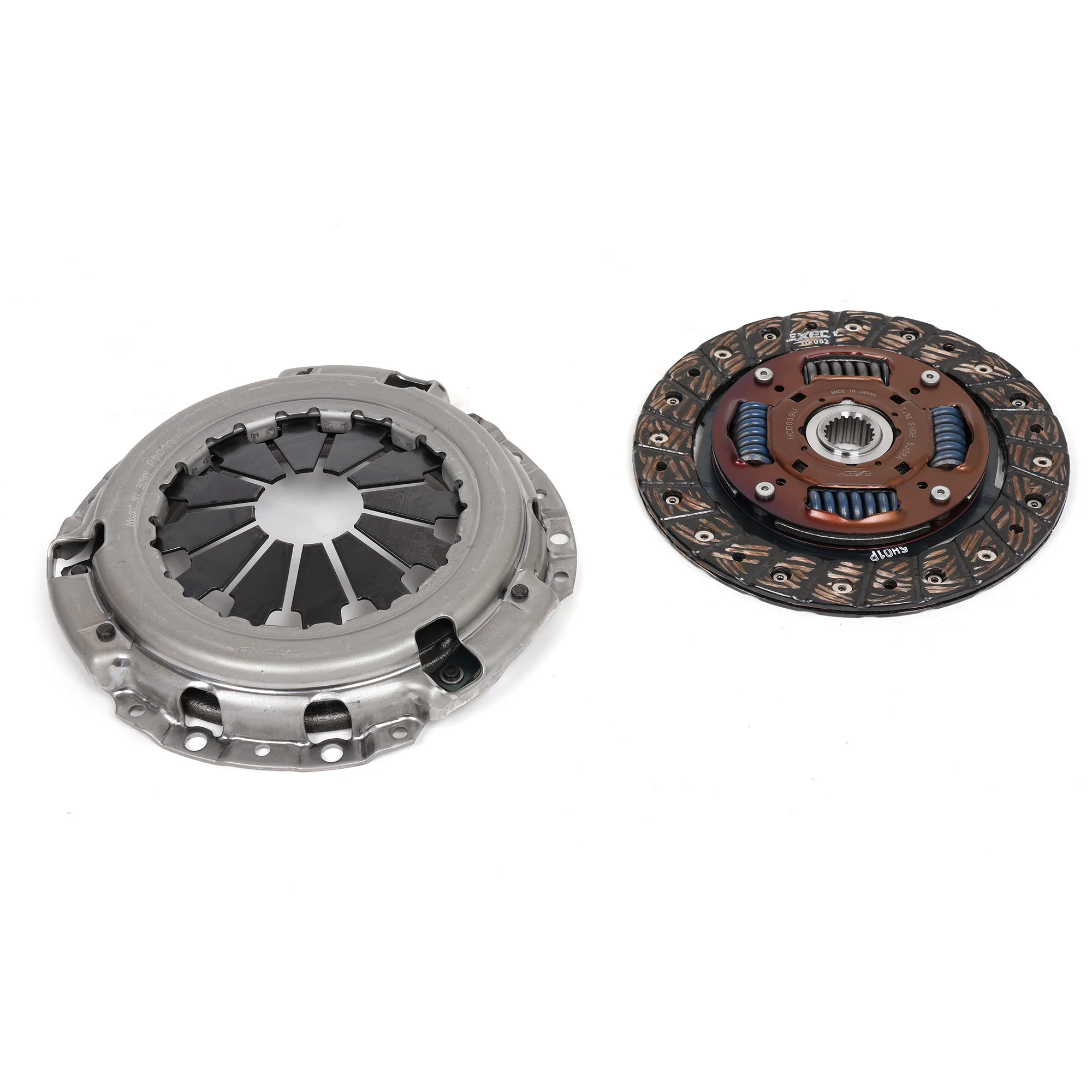
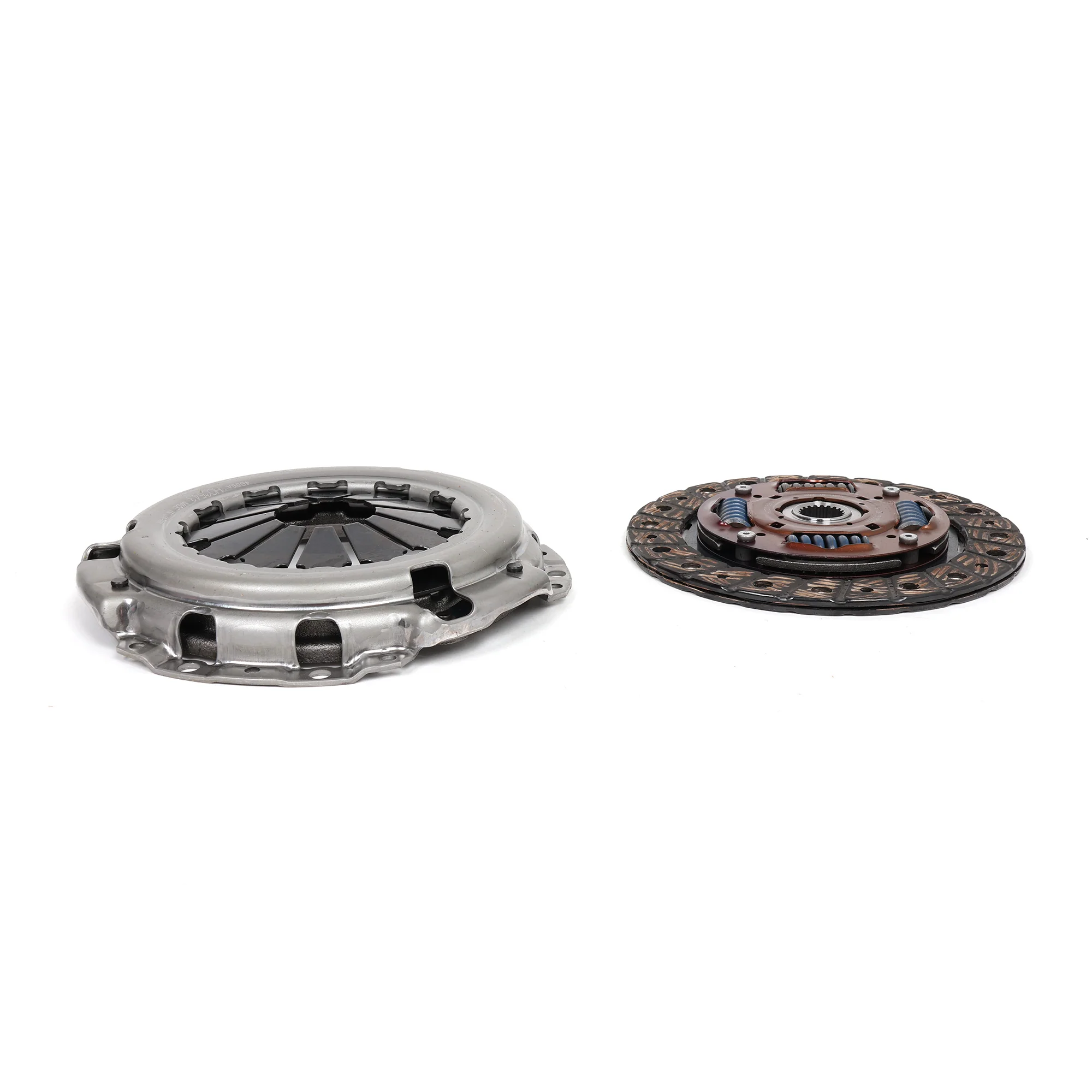
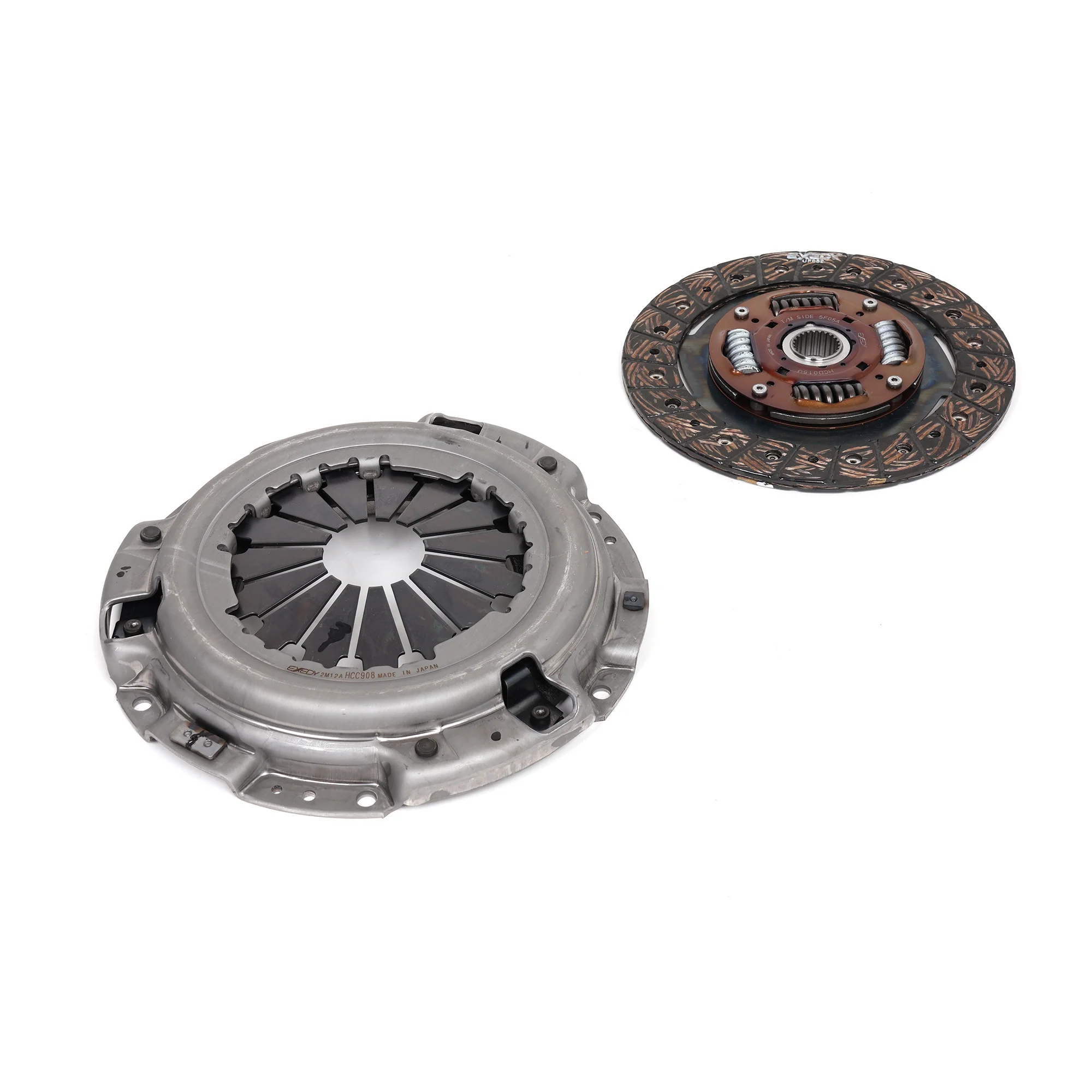
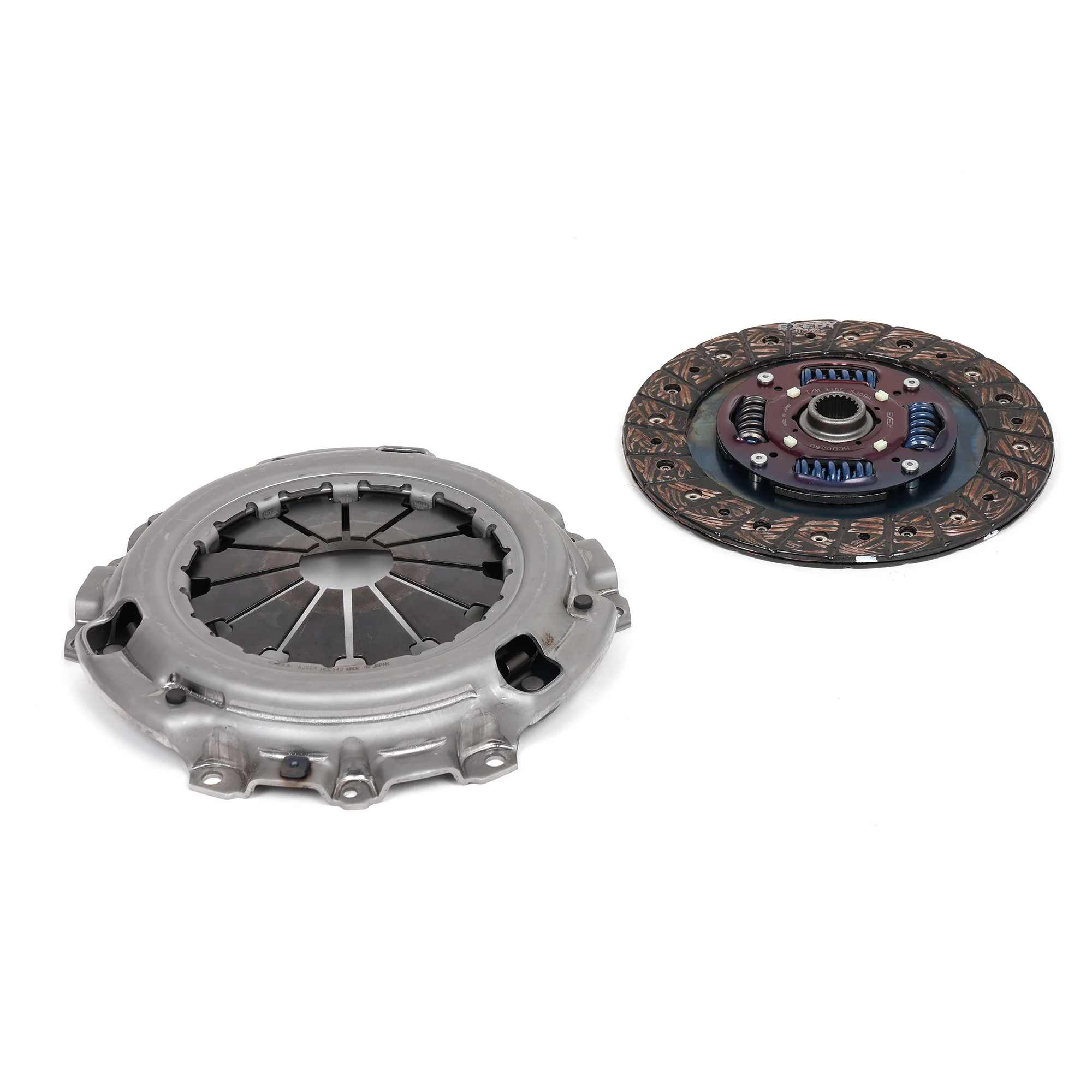
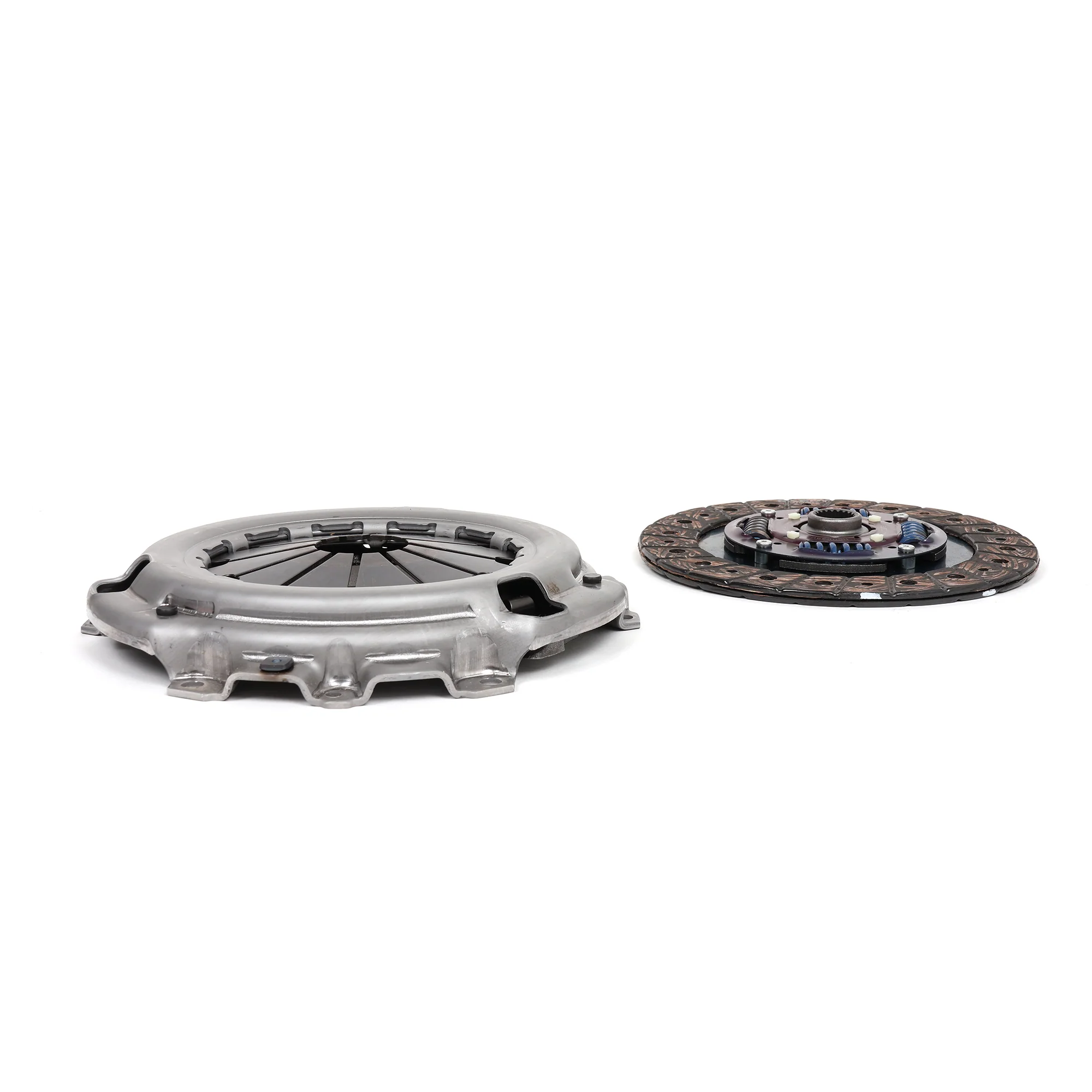
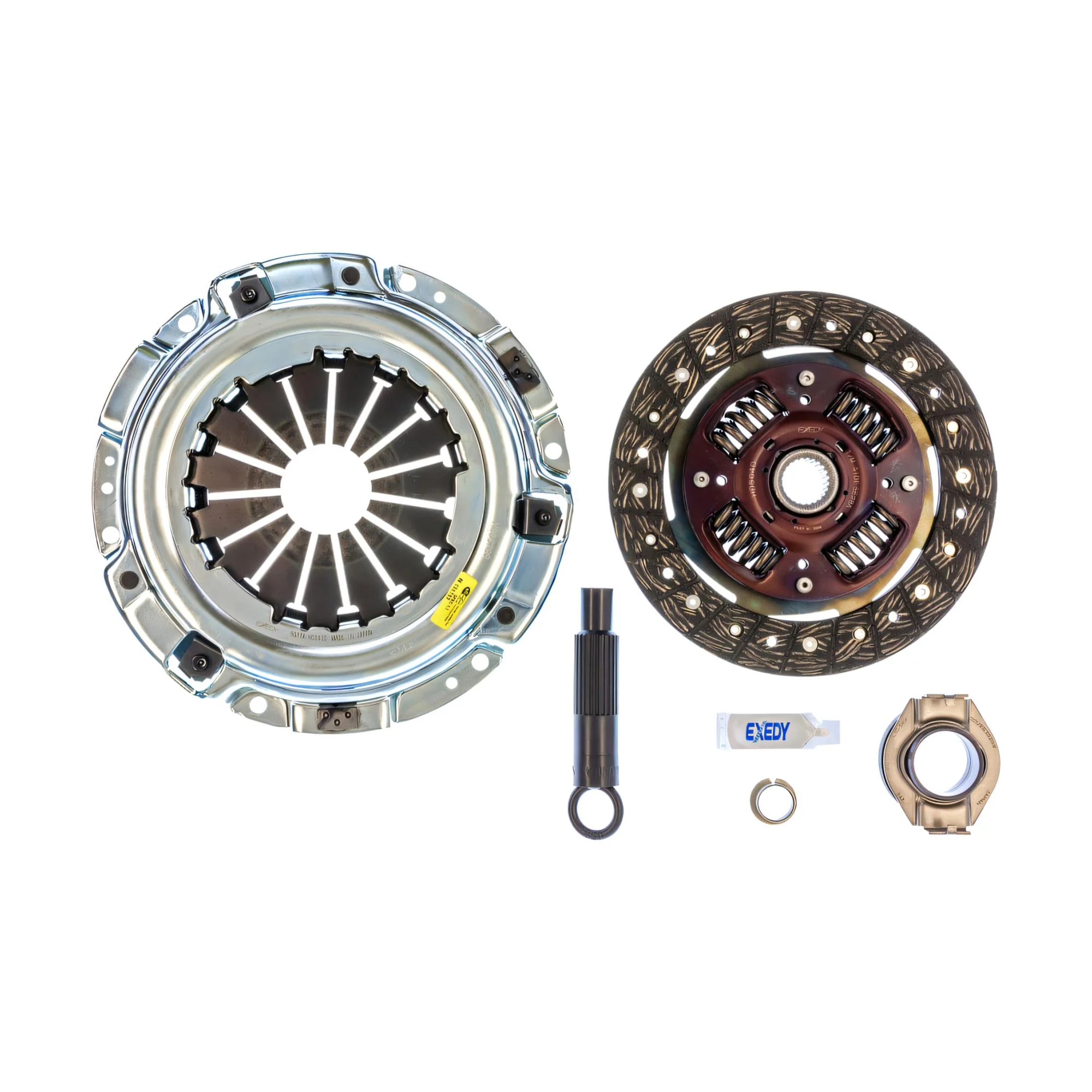
This is Competition Clutch's 184mm (7.25") twin disc ceramic clutch kit for B-series Hondas and Acuras with hydraulic clutch actuation. It fits 1994-2001 Acura Integra and 1994-1997 Honda del Sol VTEC. The kit includes a 4140 forged steel flywheel, two ceramic friction discs with a self-centering floater plate, a 6061 T6 aluminum cover, and a 6150 steel diaphragm. Previously sold as part number 4-8026-C.
Competition Clutch rates the 184 series twin disc at up to 1,350 hp. On B-series applications specifically, retailers and builders typically cite a realistic holding range of 500 to 1,200 whp depending on torque output and how hard you launch. For the vast majority of turbo B-series builds, this clutch won't be the limiting factor in your drivetrain.
Why a Twin Disc Instead of a Single
If you're shopping twin disc clutches, you've probably outgrown single-disc options or you're building for a power level where you will. Here's what a twin disc actually does differently, and why it matters on a B-series build.
A single-disc clutch (even a Stage 4 or Stage 5 puck) has one friction surface clamped between the pressure plate and flywheel. To hold more power with a single disc, you need a stronger pressure plate (heavier pedal) and/or more aggressive friction material (harsher engagement). Eventually you hit the ceiling: the pressure plate is so stiff your left leg cramps in traffic, and the ceramic pads grab so hard they shock-load your axles, synchros, and thrust bearings every shift.
A twin disc splits that work across two friction surfaces and a floater plate. Two smaller discs sharing the load means each disc takes less abuse per engagement, less heat per launch, and less clamping force from the pressure plate. The result is a clutch that holds significantly more power while actually being easier on both your drivetrain and your left leg than a comparably-rated single disc. That's the whole point.
Single Disc (Stage 4/5 Puck) Twin Disc (This Kit) Friction Surfaces 2 (one disc, two sides) 4 (two discs, two sides each, plus floater plate) Pedal Effort Heavy (needs strong PP to hold power) Lighter than you'd expect (load shared across surfaces) Engagement Feel Harsh, on/off, chattery Still aggressive but more progressive Drivetrain Shock High (all force through one disc) Reduced (force distributed across two discs) Heat Management One disc absorbs all heat Heat split across two discs and floater plate Rotational Mass Depends on disc size 184mm discs are smaller and lighter than stock 215mm Realistic Power Range (B-Series) 250-500 whp depending on stage 500-1,200 whp Daily Drivability Rough (puck) to moderate (full face) Livable with practice, better than most puck singles Why 184mm Instead of 215mm
Stock B-series clutch discs are 215mm (8.5"). This kit uses 184mm (7.25") discs. That might seem backwards for a clutch rated to hold 1,000+ whp, but the smaller diameter is intentional.
Smaller discs are lighter, which means less rotational mass. Less rotational mass means the engine revs faster between shifts and synchros have less inertia to overcome when you change gears. On a B-series drag car shifting at 8,500+ RPM, that translates to measurably quicker gear changes.
The trade-off with smaller discs is less friction surface area per disc. A twin disc solves that: two 184mm discs with a floater plate between them have more total friction surface than a single 215mm disc. You get the rev speed benefit of smaller, lighter discs and the holding power of increased surface area. It's the same reason race cars in other motorsports use multi-disc clutches with small-diameter discs rather than one giant disc.
What's in the Kit
Unlike most single-disc clutch kits, this twin disc includes the flywheel. Everything you need is in the box:
-
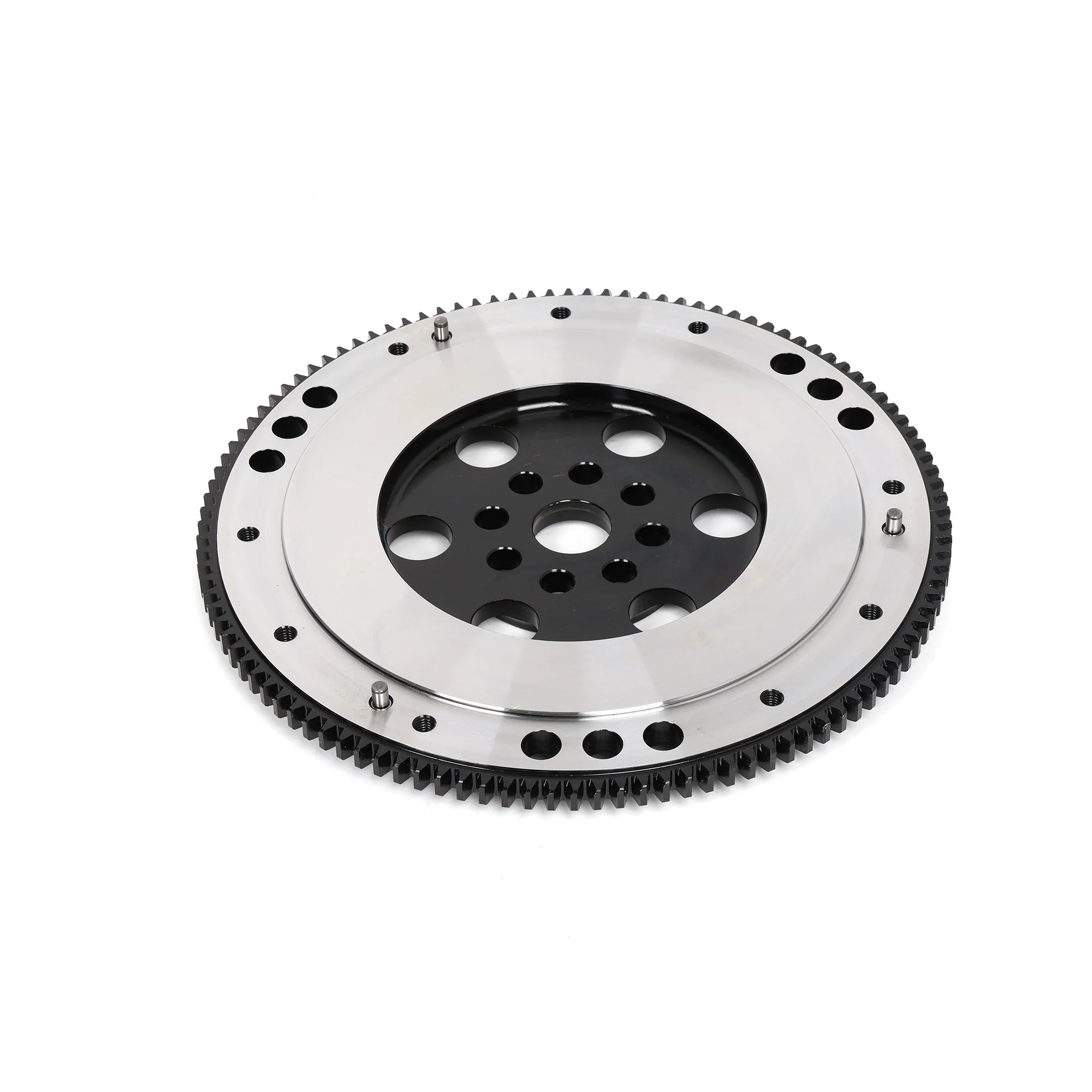
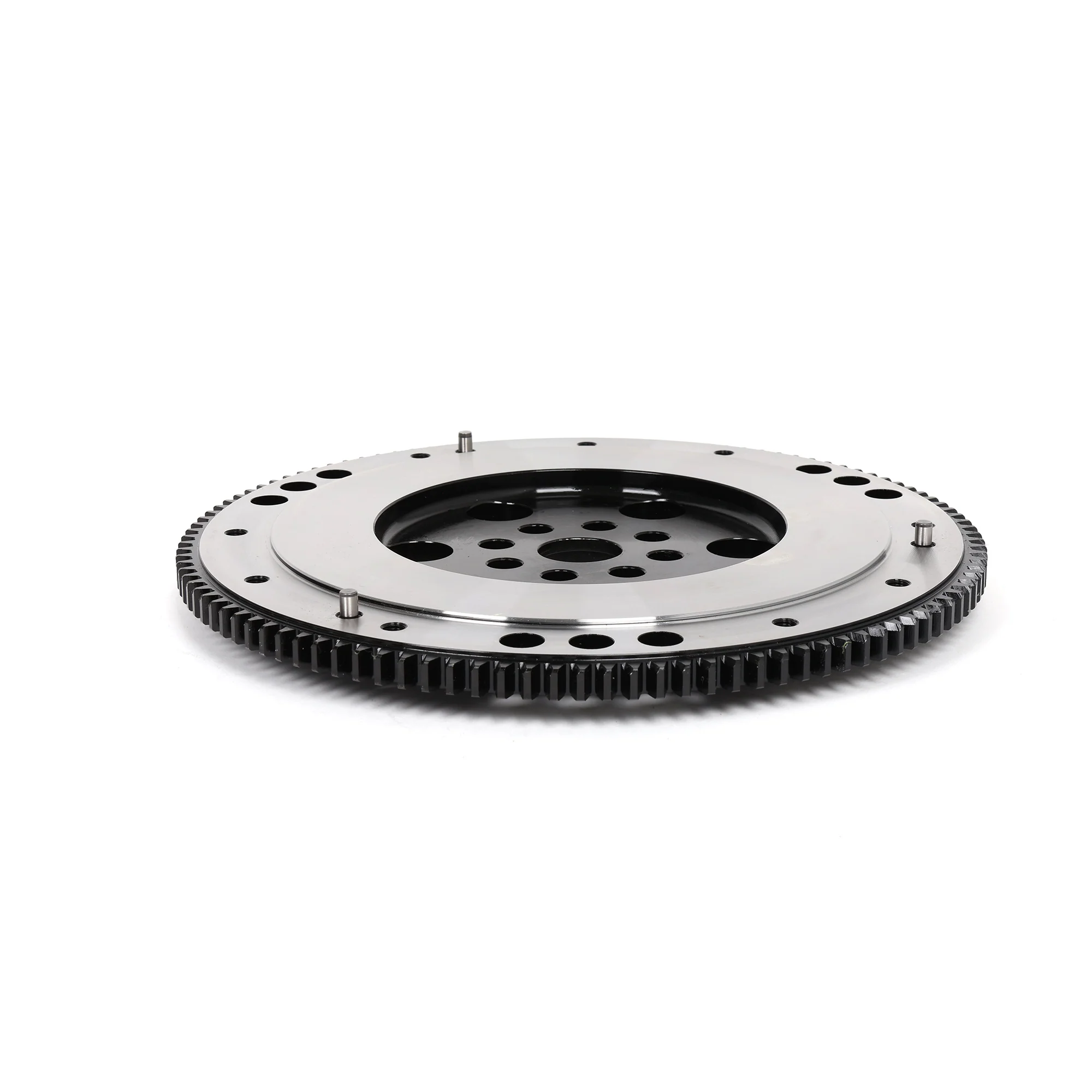
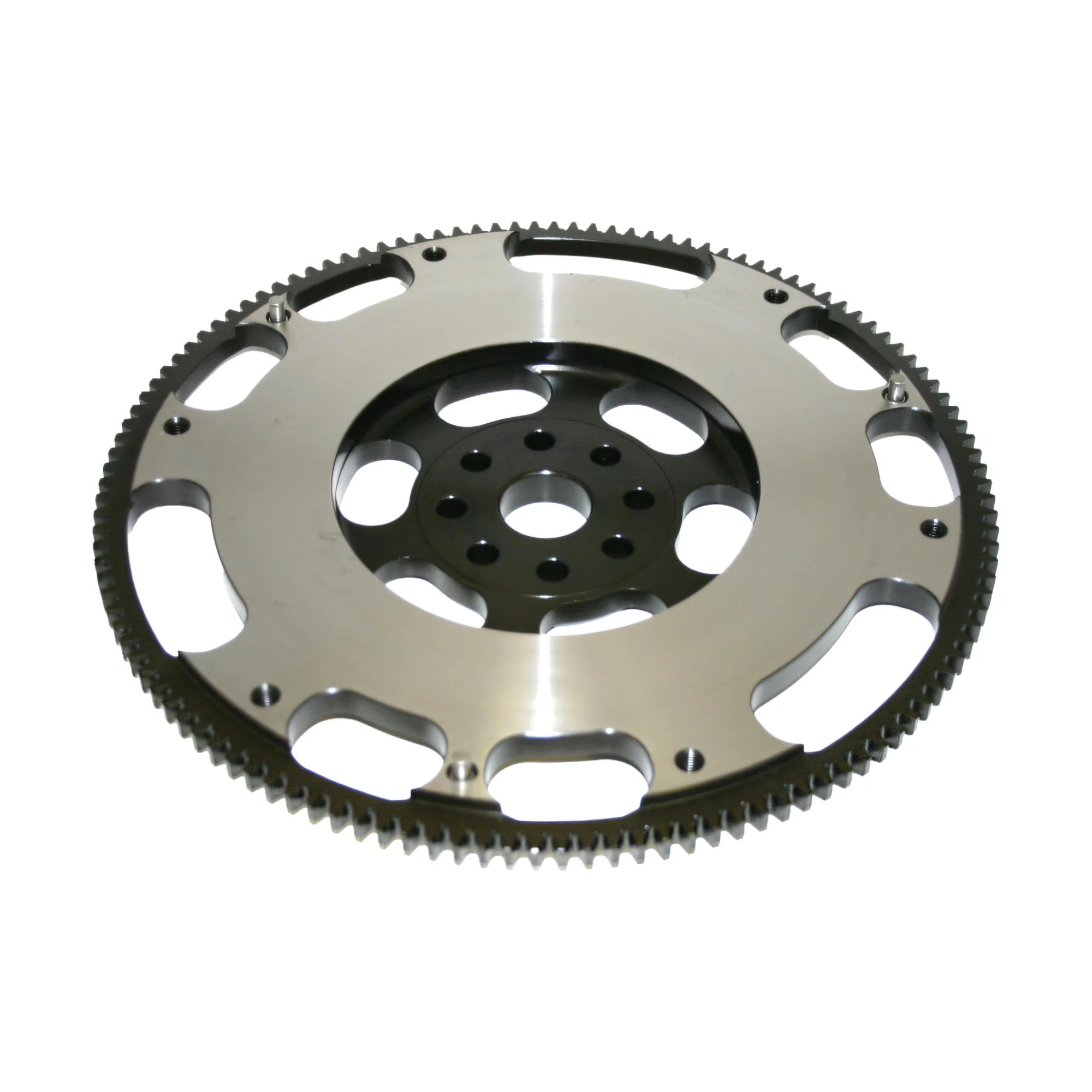
4140 Forged Steel Flywheel
Purpose-built for the twin disc assembly. This isn't a resurfaced OEM flywheel with adapter plates. It's a dedicated forged steel unit machined specifically for the 184mm twin disc cover. 4140 chromoly steel handles the heat cycles of ceramic friction material without warping. -
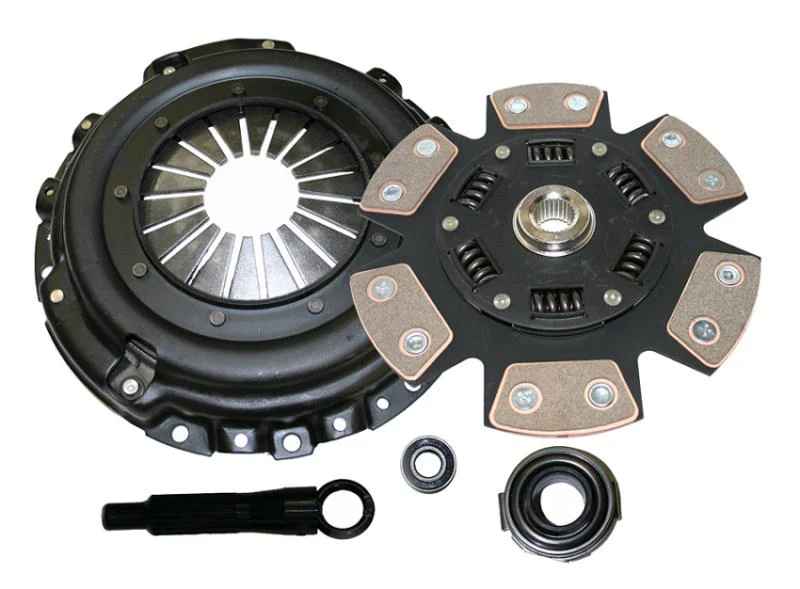
Two Ceramic Friction Discs (184mm / 7.25")
Unsprung, 6-puck configuration with ceramic friction pads. The ceramic material handles extreme heat better than organic or Kevlar compounds, which matters when you're launching hard or running sustained sessions. Each disc is lighter than a single stock-size disc. -
Self-Centering Floater Plate (Power-V Drive System)
Sits between the two friction discs. Competition Clutch's Power-V drive system lets the floater plate self-center as it wears, evening out the clamping force across both discs. This means the two discs wear at roughly the same rate instead of one disc doing all the work while the other barely touches. -
6061 T6 Aluminum Cover with 6150 Steel Diaphragm
The aluminum cover keeps weight down while the 6150 steel diaphragm provides the clamping force. CNC machined. -
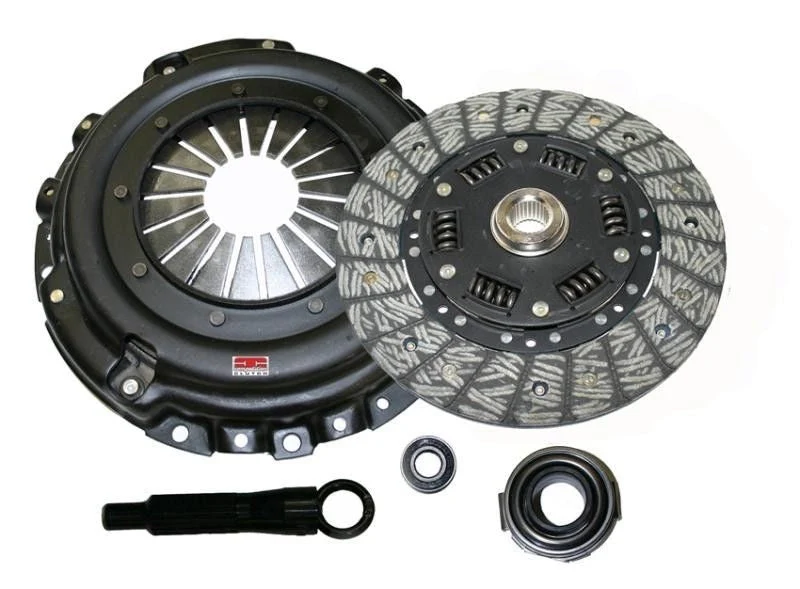
Release Bearing, Pilot Bearing, Alignment Tool
All included. Replace both bearings every time you're in there.
What It's Actually Like to Drive
The B-series community has run the CC twin disc for years in everything from weekend drag cars to daily-driven turbo Integras. Here's what the real-world feedback looks like, not marketing copy:
Pedal feel is heavier than stock, but not brutal. Most owners describe pedal effort as roughly 2-3x stock. That's noticeably stiffer, but compared to a high-clamp-force single-disc setup (like a Stage 5 with an upgraded pressure plate), it's actually lighter. The twin disc design means the pressure plate doesn't need to be as aggressive to achieve the same holding power. Your left leg won't love stop-and-go traffic, but it won't cramp up either.
Engagement is more on/off than stock, but better than a single 6-puck. There's a narrow engagement zone where the clutch bites. Once you find it (takes a few days of driving), it becomes second nature. It's not the gradual, forgiving take-up of a stock clutch, but it's nowhere near the light-switch feel of an unsprung single puck. Multiple B-series owners say they'd "never go back to a single disc for anything over 400 whp" after running the CC twin.
You'll hear the floater plate. When you push the clutch pedal in, the floater plate between the two discs rattles. It makes a soft jingling or clinking sound. This is normal for every twin disc clutch ever made. It's not broken. Your passengers will think it is. It's most noticeable at idle with the clutch pedal depressed (like sitting at a red light). Some owners describe it as a "soft jingle," others as a metallic clatter. It depends on how noise-sensitive you are.
Ceramic engagement noise is real. The ceramic pads produce a distinct sound during engagement. Some people call it a shriek, others call it a chirp. It happens every time the clutch engages. In a loud exhaust car, you won't notice it. In a quiet interior at low speed, you will. This is the nature of ceramic friction material. Organic or Kevlar compounds are quieter but can't handle the same heat.
Can you daily drive it? Opinions split. Some B-series owners daily their CC twin with no complaints. Others call it miserable after a week of commuting. The honest answer: if your commute involves mostly highway driving and a few stoplights, it's fine. If you sit in stop-and-go traffic for 30+ minutes every day, the heavier pedal and the need to precisely hit the engagement point every time you creep forward will get old. It's more streetable than a single-disc Stage 4 or Stage 5 at the same power level, but it's still a race clutch with race clutch compromises.
When a Twin Disc Makes Sense (And When It Doesn't)
Your Build Recommendation NA B-series, stock or bolt-ons (under 200 whp) Stock replacement or Stage 2. A twin disc is massive overkill. Mild turbo (200-350 whp), daily driven Stage 3 or Stage 4 sprung single disc. Holds the power, easier to live with. Moderate turbo (350-500 whp), street/strip This is where it gets interesting. A Stage 4 or Stage 5 single disc will hold this power but the pedal effort and engagement harshness increase significantly. The twin disc holds the same power with less pedal effort and less drivetrain shock. If budget allows, the twin disc is genuinely the better option here. Big turbo (500-1,000+ whp), drag or track This is the twin disc sweet spot. Single discs are at their limit or past it. The twin disc handles the power without destroying your transmission every season. 1,000+ whp all-out race build Consider the triple disc (1848026-3) if you're regularly exceeding 1,000 whp and launching on slicks. The real value of a twin disc isn't just holding power. It's holding power while being easier on your drivetrain than a single disc at the same level. Big-turbo B-series builds are already hard on transmissions, axles, and differentials. A twin disc reduces the shock loading that breaks those parts. Multiple builders have reported fewer broken axles and synchro failures after switching from heavy single-disc setups to the CC twin.
Vehicle Fitment
This is a B-series hydraulic clutch kit. The "8026" in the original part number (4-8026-C) designates B-series engines with hydraulic clutch actuation. It fits DC2/DC4 Integras and del Sol VTEC models from 1994-2001.
Chassis Vehicle Years Engines Trims DC2/DC4 Acura Integra 1994-2001 B18B1, B18C1, B18C5 RS, LS, GS, GS-R, Type R, Special Edition EG2 Honda Civic del Sol 1994-1997 B16A3 VTEC only Del Sol buyers: this only fits the VTEC model. The del Sol came in three trims: S (D15B7), Si (D16Z6), and VTEC (B16A3). Only the VTEC trim has a B-series engine. If your del Sol has a D15 or D16, this clutch does not fit. You need a D-series clutch kit (8022 prefix) instead.
B-series swaps into other chassis (EG Civic, EK Civic, etc.): If you've swapped a B-series with a hydraulic B-series transmission into a Civic or other Honda, this clutch will work. The clutch matches the transmission, not the chassis. You do need a hydraulic B-series trans (S80, Y80, etc. with hydraulic slave cylinder).
Hybrid Racing SKU: COC-1848026-2
Manufacturer Part Number: 1848026-2 (formerly 4-8026-C)
Series: 184mm Full Race Twin Disc Ceramic
Disc Size: 184mm (7.25")
Disc Type: Unsprung ceramic, 6-puck, two discs with floater plate
Flywheel: 4140 forged steel (INCLUDED)
Cover: 6061 T6 aluminum
Diaphragm: 6150 steel
Power Rating: Up to 1,350 hp (CC marketing); 500-1,200 whp (application-dependent)
Clutch Actuation: Hydraulic
Made in: Anaheim, CaliforniaThis Kit Does NOT Fit
Several fitment tags on this product are incorrect. To be clear:
- 1986-1989 Acura Integra (1st gen): Completely different generation. Different bellhousing bolt pattern, different clutch assembly. Not compatible.
- 1990-1993 Acura Integra (DA): The DA Integra uses cable clutch actuation, not hydraulic. This kit is designed for hydraulic B-series transmissions (1994+ DC2/DC4). If you have a 1990-1993 Integra with the factory cable clutch setup, this will not work without converting to a hydraulic clutch system.
- 2023-2024 Acura Integra (DE5): The new Integra uses an L15CA (1.5T) or K20C1 (Type S) engine. Completely different clutch assembly. Not even remotely compatible.
- Honda del Sol S or Si: These trims have D-series engines (D15B7, D16Z6). This is a B-series clutch. Only the del Sol VTEC (B16A3) fits.
- Any K-series or D-series swap: The clutch matches the transmission. If your car runs a K-series or D-series trans, you need the clutch kit for that trans.
Installation Notes
- The flywheel is included and specific to this kit. You cannot reuse your OEM flywheel. The 184mm discs won't fit a standard 215mm B-series flywheel. The included 4140 forged flywheel is machined for the 184mm assembly. Install the flywheel that comes in the box.
- Use new flywheel bolts and apply the correct torque spec. Don't reuse old flywheel bolts on a build that makes this kind of power. ARP flywheel bolts are cheap insurance.
- Replace the throw-out bearing and pilot bearing. Both are included. The pilot bearing in particular sees more stress with a twin disc because of the increased clamping force. Don't skip this.
- Check rear main seal before installing. Oil contamination on ceramic friction surfaces will cause slipping and uneven engagement. If there's any weep from the rear main, fix it now. Pulling a transmission twice because you didn't check a seal is a brutal waste of time.
- Bleed the hydraulic system completely. Air in the line will make the already-narrow engagement point even harder to find. Fresh DOT-rated fluid, full bleed, no shortcuts.
- Break-in: 500 miles gentle driving. No hard launches, no aggressive shifts, no sustained high-RPM driving. The ceramic pads need to bed into both disc surfaces and the floater plate. The clutch will feel inconsistent during break-in. It improves significantly after the pads seat.
- Inspect your axles and transmission. If you're stepping up to a twin disc because you're making 500+ whp, your factory Integra axles are the next weak link. Budget for upgraded axles (Insane Shafts, Driveshaft Shop, etc.) unless you enjoy collecting at the starting line. Same goes for your transmission: at big-turbo power levels, factory synchros and thrust bearings have a limited lifespan regardless of clutch choice.
184mm Series Lineup: Single, Twin, and Triple
Competition Clutch offers the 184mm series for B-series in three configurations. All share the same 7.25" disc size, ceramic friction material, and included flywheel. The difference is how many discs and how much power they hold.
184mm Single (1848026-1) 184mm Twin (1848026-2) - This Kit 184mm Triple (1848026-3) Discs 1 2 + floater plate 3 + 2 floater plates Power Rating Up to 700 hp Up to 1,350 hp Beyond 1,350 hp Best For Moderate turbo, track builds Big turbo drag, time attack All-out drag, Pro class Weight/Complexity Lightest, simplest Moderate Heaviest, most components Common Questions
Does this include a flywheel?
Yes. A 4140 forged steel flywheel is included and required. You cannot use your OEM B-series flywheel with this kit because the 184mm disc assembly needs a specific flywheel machined for the smaller disc diameter.What's the old part number?
4-8026-C. Competition Clutch previously used A, B, and C power ratings for the twin disc. They've since consolidated to one rating (all are now the "C" spec). If you see 4-8026-A or 4-8026-B referenced in old forum posts, they no longer offer those. The 1848026-2 is the current equivalent.Is the CC twin disc better than a Stage 4 or Stage 5 single disc for my turbo Integra?
If you're over 350-400 whp, yes. The twin disc holds more power with less pedal effort, less engagement harshness, and less drivetrain shock than a single puck disc at the same power level. The trade-off is cost and the floater plate rattle. Multiple B-series builders on Honda-Tech and K20a.org have said they'd never go back to a single disc after running the CC twin above 400 whp.How does this compare to a Tilton twin disc?
Community feedback on B-series applications favors the CC twin disc over Tilton for streetability and longevity. Tilton twin discs tend to have harsher engagement (more on/off) and shorter lifespan in street-driven applications. The CC is more forgiving at low RPM and wears more evenly thanks to the Power-V self-centering floater plate. Tilton is popular in dedicated race cars where comfort is irrelevant.Will this fit a B-series swap in my Civic?
Yes, as long as you're running a hydraulic B-series transmission (hydro slave cylinder setup). The clutch bolts to the flywheel and lives inside the bellhousing. It doesn't care what chassis the transmission is in.I have a 1990-1993 Integra (DA). Will this work?
Not without modification. The DA Integra uses cable clutch actuation. This kit is designed for hydraulic B-series transmissions (1994+ DC2/DC4). You'd need to convert to a hydraulic clutch system first, which is a separate project involving a hydraulic master cylinder, slave cylinder, and line.How long does the twin disc last?
It depends entirely on how you drive. On a dedicated drag car that only sees the strip and the trailer, it can last multiple seasons. On a street-driven car where you're slipping the clutch in traffic regularly, the ceramic pads wear faster. The twin disc design does help longevity compared to a single disc at the same power level because the load is shared across four friction surfaces instead of two. Realistically, plan on inspecting the discs annually if you're daily driving at high power levels.Who Should Buy This (And Who Shouldn't)
Buy this if: Your turbo B-series makes 400+ whp and you need a clutch that holds the power without destroying your leg in traffic. You're tired of single-disc Stage 4 or Stage 5 clutches breaking axles and synchros with their brutal engagement shock. You want the lightest rotating assembly possible for fast shifts. You're building a serious drag car or time attack car and need a clutch that won't be the weak link in the drivetrain.
Don't buy this if: Your B-series is naturally aspirated or mildly turbocharged under 350 whp. A Stage 2 or Stage 3 single disc holds that power, drives better, costs less, and doesn't rattle at stoplights. Spending $1,400 on a twin disc for a 200 whp GSR is like putting drag slicks on a car that never leaves the parking lot.
Consider the 184mm single disc (1848026-1) instead if: You're making 350-700 whp and want the smaller 184mm disc diameter for rev speed and shift speed benefits, but don't need the twin disc's holding capacity. Same flywheel, same disc size, same concept, but with one disc instead of two. Rated to 700 hp, lighter, simpler, and less expensive.
-
4140 Forged Steel Flywheel
-
1994-2001 Acura Integra
1993-1997 Honda Civic del Sol
Del Sol buyers: this only fits the VTEC model. The del Sol came in three trims: S (D15B7), Si (D16Z6), and VTEC (B16A3). Only the VTEC trim has a B-series engine. If your del Sol has a D15 or D16, this clutch does not fit. You need a D-series clutch kit (8022 prefix) instead.B-series swaps into other chassis (EG Civic, EK Civic, etc.): If you've swapped a B-series with a hydraulic B-series transmission into a Civic or other Honda, this clutch will work. The clutch matches the transmission, not the chassis. You do need a hydraulic B-series trans (S80, Y80, etc. with hydraulic slave cylinder).
Original: $1,399.00
-65%$1,399.00
$489.65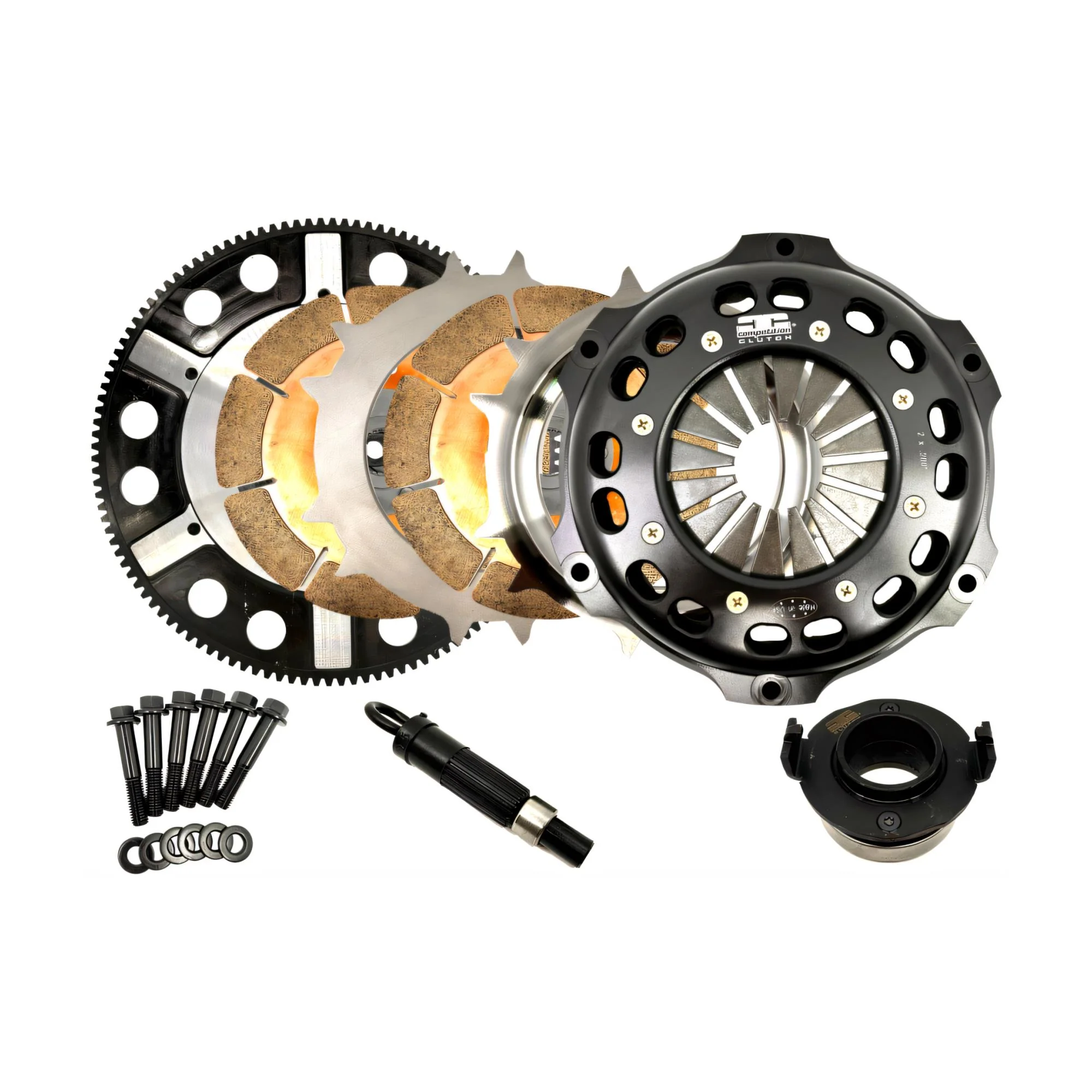
Description
- Supports up to 1350 HP.
- Advanced CAD/CAM design technology.
- Self-centering Power-V drive system.
- Direct bolt-in for easy installation.
- Assembled and tested in the USA.
- Description
- Vehicle Fitment
- Technical Data
- Install Guide
-
Competition Clutch B-Series 184mm Twin Disc Ceramic Clutch Kit
This is Competition Clutch's 184mm (7.25") twin disc ceramic clutch kit for B-series Hondas and Acuras with hydraulic clutch actuation. It fits 1994-2001 Acura Integra and 1994-1997 Honda del Sol VTEC. The kit includes a 4140 forged steel flywheel, two ceramic friction discs with a self-centering floater plate, a 6061 T6 aluminum cover, and a 6150 steel diaphragm. Previously sold as part number 4-8026-C.
Competition Clutch rates the 184 series twin disc at up to 1,350 hp. On B-series applications specifically, retailers and builders typically cite a realistic holding range of 500 to 1,200 whp depending on torque output and how hard you launch. For the vast majority of turbo B-series builds, this clutch won't be the limiting factor in your drivetrain.
Why a Twin Disc Instead of a Single
If you're shopping twin disc clutches, you've probably outgrown single-disc options or you're building for a power level where you will. Here's what a twin disc actually does differently, and why it matters on a B-series build.
A single-disc clutch (even a Stage 4 or Stage 5 puck) has one friction surface clamped between the pressure plate and flywheel. To hold more power with a single disc, you need a stronger pressure plate (heavier pedal) and/or more aggressive friction material (harsher engagement). Eventually you hit the ceiling: the pressure plate is so stiff your left leg cramps in traffic, and the ceramic pads grab so hard they shock-load your axles, synchros, and thrust bearings every shift.
A twin disc splits that work across two friction surfaces and a floater plate. Two smaller discs sharing the load means each disc takes less abuse per engagement, less heat per launch, and less clamping force from the pressure plate. The result is a clutch that holds significantly more power while actually being easier on both your drivetrain and your left leg than a comparably-rated single disc. That's the whole point.
Single Disc (Stage 4/5 Puck) Twin Disc (This Kit) Friction Surfaces 2 (one disc, two sides) 4 (two discs, two sides each, plus floater plate) Pedal Effort Heavy (needs strong PP to hold power) Lighter than you'd expect (load shared across surfaces) Engagement Feel Harsh, on/off, chattery Still aggressive but more progressive Drivetrain Shock High (all force through one disc) Reduced (force distributed across two discs) Heat Management One disc absorbs all heat Heat split across two discs and floater plate Rotational Mass Depends on disc size 184mm discs are smaller and lighter than stock 215mm Realistic Power Range (B-Series) 250-500 whp depending on stage 500-1,200 whp Daily Drivability Rough (puck) to moderate (full face) Livable with practice, better than most puck singles Why 184mm Instead of 215mm
Stock B-series clutch discs are 215mm (8.5"). This kit uses 184mm (7.25") discs. That might seem backwards for a clutch rated to hold 1,000+ whp, but the smaller diameter is intentional.
Smaller discs are lighter, which means less rotational mass. Less rotational mass means the engine revs faster between shifts and synchros have less inertia to overcome when you change gears. On a B-series drag car shifting at 8,500+ RPM, that translates to measurably quicker gear changes.
The trade-off with smaller discs is less friction surface area per disc. A twin disc solves that: two 184mm discs with a floater plate between them have more total friction surface than a single 215mm disc. You get the rev speed benefit of smaller, lighter discs and the holding power of increased surface area. It's the same reason race cars in other motorsports use multi-disc clutches with small-diameter discs rather than one giant disc.
What's in the Kit
Unlike most single-disc clutch kits, this twin disc includes the flywheel. Everything you need is in the box:
-
4140 Forged Steel Flywheel
Purpose-built for the twin disc assembly. This isn't a resurfaced OEM flywheel with adapter plates. It's a dedicated forged steel unit machined specifically for the 184mm twin disc cover. 4140 chromoly steel handles the heat cycles of ceramic friction material without warping. -
Two Ceramic Friction Discs (184mm / 7.25")
Unsprung, 6-puck configuration with ceramic friction pads. The ceramic material handles extreme heat better than organic or Kevlar compounds, which matters when you're launching hard or running sustained sessions. Each disc is lighter than a single stock-size disc. -
Self-Centering Floater Plate (Power-V Drive System)
Sits between the two friction discs. Competition Clutch's Power-V drive system lets the floater plate self-center as it wears, evening out the clamping force across both discs. This means the two discs wear at roughly the same rate instead of one disc doing all the work while the other barely touches. -
6061 T6 Aluminum Cover with 6150 Steel Diaphragm
The aluminum cover keeps weight down while the 6150 steel diaphragm provides the clamping force. CNC machined. -
Release Bearing, Pilot Bearing, Alignment Tool
All included. Replace both bearings every time you're in there.
What It's Actually Like to Drive
The B-series community has run the CC twin disc for years in everything from weekend drag cars to daily-driven turbo Integras. Here's what the real-world feedback looks like, not marketing copy:
Pedal feel is heavier than stock, but not brutal. Most owners describe pedal effort as roughly 2-3x stock. That's noticeably stiffer, but compared to a high-clamp-force single-disc setup (like a Stage 5 with an upgraded pressure plate), it's actually lighter. The twin disc design means the pressure plate doesn't need to be as aggressive to achieve the same holding power. Your left leg won't love stop-and-go traffic, but it won't cramp up either.
Engagement is more on/off than stock, but better than a single 6-puck. There's a narrow engagement zone where the clutch bites. Once you find it (takes a few days of driving), it becomes second nature. It's not the gradual, forgiving take-up of a stock clutch, but it's nowhere near the light-switch feel of an unsprung single puck. Multiple B-series owners say they'd "never go back to a single disc for anything over 400 whp" after running the CC twin.
You'll hear the floater plate. When you push the clutch pedal in, the floater plate between the two discs rattles. It makes a soft jingling or clinking sound. This is normal for every twin disc clutch ever made. It's not broken. Your passengers will think it is. It's most noticeable at idle with the clutch pedal depressed (like sitting at a red light). Some owners describe it as a "soft jingle," others as a metallic clatter. It depends on how noise-sensitive you are.
Ceramic engagement noise is real. The ceramic pads produce a distinct sound during engagement. Some people call it a shriek, others call it a chirp. It happens every time the clutch engages. In a loud exhaust car, you won't notice it. In a quiet interior at low speed, you will. This is the nature of ceramic friction material. Organic or Kevlar compounds are quieter but can't handle the same heat.
Can you daily drive it? Opinions split. Some B-series owners daily their CC twin with no complaints. Others call it miserable after a week of commuting. The honest answer: if your commute involves mostly highway driving and a few stoplights, it's fine. If you sit in stop-and-go traffic for 30+ minutes every day, the heavier pedal and the need to precisely hit the engagement point every time you creep forward will get old. It's more streetable than a single-disc Stage 4 or Stage 5 at the same power level, but it's still a race clutch with race clutch compromises.
When a Twin Disc Makes Sense (And When It Doesn't)
Your Build Recommendation NA B-series, stock or bolt-ons (under 200 whp) Stock replacement or Stage 2. A twin disc is massive overkill. Mild turbo (200-350 whp), daily driven Stage 3 or Stage 4 sprung single disc. Holds the power, easier to live with. Moderate turbo (350-500 whp), street/strip This is where it gets interesting. A Stage 4 or Stage 5 single disc will hold this power but the pedal effort and engagement harshness increase significantly. The twin disc holds the same power with less pedal effort and less drivetrain shock. If budget allows, the twin disc is genuinely the better option here. Big turbo (500-1,000+ whp), drag or track This is the twin disc sweet spot. Single discs are at their limit or past it. The twin disc handles the power without destroying your transmission every season. 1,000+ whp all-out race build Consider the triple disc (1848026-3) if you're regularly exceeding 1,000 whp and launching on slicks. The real value of a twin disc isn't just holding power. It's holding power while being easier on your drivetrain than a single disc at the same level. Big-turbo B-series builds are already hard on transmissions, axles, and differentials. A twin disc reduces the shock loading that breaks those parts. Multiple builders have reported fewer broken axles and synchro failures after switching from heavy single-disc setups to the CC twin.
Vehicle Fitment
This is a B-series hydraulic clutch kit. The "8026" in the original part number (4-8026-C) designates B-series engines with hydraulic clutch actuation. It fits DC2/DC4 Integras and del Sol VTEC models from 1994-2001.
Chassis Vehicle Years Engines Trims DC2/DC4 Acura Integra 1994-2001 B18B1, B18C1, B18C5 RS, LS, GS, GS-R, Type R, Special Edition EG2 Honda Civic del Sol 1994-1997 B16A3 VTEC only Del Sol buyers: this only fits the VTEC model. The del Sol came in three trims: S (D15B7), Si (D16Z6), and VTEC (B16A3). Only the VTEC trim has a B-series engine. If your del Sol has a D15 or D16, this clutch does not fit. You need a D-series clutch kit (8022 prefix) instead.
B-series swaps into other chassis (EG Civic, EK Civic, etc.): If you've swapped a B-series with a hydraulic B-series transmission into a Civic or other Honda, this clutch will work. The clutch matches the transmission, not the chassis. You do need a hydraulic B-series trans (S80, Y80, etc. with hydraulic slave cylinder).
Hybrid Racing SKU: COC-1848026-2
Manufacturer Part Number: 1848026-2 (formerly 4-8026-C)
Series: 184mm Full Race Twin Disc Ceramic
Disc Size: 184mm (7.25")
Disc Type: Unsprung ceramic, 6-puck, two discs with floater plate
Flywheel: 4140 forged steel (INCLUDED)
Cover: 6061 T6 aluminum
Diaphragm: 6150 steel
Power Rating: Up to 1,350 hp (CC marketing); 500-1,200 whp (application-dependent)
Clutch Actuation: Hydraulic
Made in: Anaheim, CaliforniaThis Kit Does NOT Fit
Several fitment tags on this product are incorrect. To be clear:
- 1986-1989 Acura Integra (1st gen): Completely different generation. Different bellhousing bolt pattern, different clutch assembly. Not compatible.
- 1990-1993 Acura Integra (DA): The DA Integra uses cable clutch actuation, not hydraulic. This kit is designed for hydraulic B-series transmissions (1994+ DC2/DC4). If you have a 1990-1993 Integra with the factory cable clutch setup, this will not work without converting to a hydraulic clutch system.
- 2023-2024 Acura Integra (DE5): The new Integra uses an L15CA (1.5T) or K20C1 (Type S) engine. Completely different clutch assembly. Not even remotely compatible.
- Honda del Sol S or Si: These trims have D-series engines (D15B7, D16Z6). This is a B-series clutch. Only the del Sol VTEC (B16A3) fits.
- Any K-series or D-series swap: The clutch matches the transmission. If your car runs a K-series or D-series trans, you need the clutch kit for that trans.
Installation Notes
- The flywheel is included and specific to this kit. You cannot reuse your OEM flywheel. The 184mm discs won't fit a standard 215mm B-series flywheel. The included 4140 forged flywheel is machined for the 184mm assembly. Install the flywheel that comes in the box.
- Use new flywheel bolts and apply the correct torque spec. Don't reuse old flywheel bolts on a build that makes this kind of power. ARP flywheel bolts are cheap insurance.
- Replace the throw-out bearing and pilot bearing. Both are included. The pilot bearing in particular sees more stress with a twin disc because of the increased clamping force. Don't skip this.
- Check rear main seal before installing. Oil contamination on ceramic friction surfaces will cause slipping and uneven engagement. If there's any weep from the rear main, fix it now. Pulling a transmission twice because you didn't check a seal is a brutal waste of time.
- Bleed the hydraulic system completely. Air in the line will make the already-narrow engagement point even harder to find. Fresh DOT-rated fluid, full bleed, no shortcuts.
- Break-in: 500 miles gentle driving. No hard launches, no aggressive shifts, no sustained high-RPM driving. The ceramic pads need to bed into both disc surfaces and the floater plate. The clutch will feel inconsistent during break-in. It improves significantly after the pads seat.
- Inspect your axles and transmission. If you're stepping up to a twin disc because you're making 500+ whp, your factory Integra axles are the next weak link. Budget for upgraded axles (Insane Shafts, Driveshaft Shop, etc.) unless you enjoy collecting at the starting line. Same goes for your transmission: at big-turbo power levels, factory synchros and thrust bearings have a limited lifespan regardless of clutch choice.
184mm Series Lineup: Single, Twin, and Triple
Competition Clutch offers the 184mm series for B-series in three configurations. All share the same 7.25" disc size, ceramic friction material, and included flywheel. The difference is how many discs and how much power they hold.
184mm Single (1848026-1) 184mm Twin (1848026-2) - This Kit 184mm Triple (1848026-3) Discs 1 2 + floater plate 3 + 2 floater plates Power Rating Up to 700 hp Up to 1,350 hp Beyond 1,350 hp Best For Moderate turbo, track builds Big turbo drag, time attack All-out drag, Pro class Weight/Complexity Lightest, simplest Moderate Heaviest, most components Common Questions
Does this include a flywheel?
Yes. A 4140 forged steel flywheel is included and required. You cannot use your OEM B-series flywheel with this kit because the 184mm disc assembly needs a specific flywheel machined for the smaller disc diameter.What's the old part number?
4-8026-C. Competition Clutch previously used A, B, and C power ratings for the twin disc. They've since consolidated to one rating (all are now the "C" spec). If you see 4-8026-A or 4-8026-B referenced in old forum posts, they no longer offer those. The 1848026-2 is the current equivalent.Is the CC twin disc better than a Stage 4 or Stage 5 single disc for my turbo Integra?
If you're over 350-400 whp, yes. The twin disc holds more power with less pedal effort, less engagement harshness, and less drivetrain shock than a single puck disc at the same power level. The trade-off is cost and the floater plate rattle. Multiple B-series builders on Honda-Tech and K20a.org have said they'd never go back to a single disc after running the CC twin above 400 whp.How does this compare to a Tilton twin disc?
Community feedback on B-series applications favors the CC twin disc over Tilton for streetability and longevity. Tilton twin discs tend to have harsher engagement (more on/off) and shorter lifespan in street-driven applications. The CC is more forgiving at low RPM and wears more evenly thanks to the Power-V self-centering floater plate. Tilton is popular in dedicated race cars where comfort is irrelevant.Will this fit a B-series swap in my Civic?
Yes, as long as you're running a hydraulic B-series transmission (hydro slave cylinder setup). The clutch bolts to the flywheel and lives inside the bellhousing. It doesn't care what chassis the transmission is in.I have a 1990-1993 Integra (DA). Will this work?
Not without modification. The DA Integra uses cable clutch actuation. This kit is designed for hydraulic B-series transmissions (1994+ DC2/DC4). You'd need to convert to a hydraulic clutch system first, which is a separate project involving a hydraulic master cylinder, slave cylinder, and line.How long does the twin disc last?
It depends entirely on how you drive. On a dedicated drag car that only sees the strip and the trailer, it can last multiple seasons. On a street-driven car where you're slipping the clutch in traffic regularly, the ceramic pads wear faster. The twin disc design does help longevity compared to a single disc at the same power level because the load is shared across four friction surfaces instead of two. Realistically, plan on inspecting the discs annually if you're daily driving at high power levels.Who Should Buy This (And Who Shouldn't)
Buy this if: Your turbo B-series makes 400+ whp and you need a clutch that holds the power without destroying your leg in traffic. You're tired of single-disc Stage 4 or Stage 5 clutches breaking axles and synchros with their brutal engagement shock. You want the lightest rotating assembly possible for fast shifts. You're building a serious drag car or time attack car and need a clutch that won't be the weak link in the drivetrain.
Don't buy this if: Your B-series is naturally aspirated or mildly turbocharged under 350 whp. A Stage 2 or Stage 3 single disc holds that power, drives better, costs less, and doesn't rattle at stoplights. Spending $1,400 on a twin disc for a 200 whp GSR is like putting drag slicks on a car that never leaves the parking lot.
Consider the 184mm single disc (1848026-1) instead if: You're making 350-700 whp and want the smaller 184mm disc diameter for rev speed and shift speed benefits, but don't need the twin disc's holding capacity. Same flywheel, same disc size, same concept, but with one disc instead of two. Rated to 700 hp, lighter, simpler, and less expensive.
-
4140 Forged Steel Flywheel
-
1994-2001 Acura Integra
1993-1997 Honda Civic del Sol
Del Sol buyers: this only fits the VTEC model. The del Sol came in three trims: S (D15B7), Si (D16Z6), and VTEC (B16A3). Only the VTEC trim has a B-series engine. If your del Sol has a D15 or D16, this clutch does not fit. You need a D-series clutch kit (8022 prefix) instead.B-series swaps into other chassis (EG Civic, EK Civic, etc.): If you've swapped a B-series with a hydraulic B-series transmission into a Civic or other Honda, this clutch will work. The clutch matches the transmission, not the chassis. You do need a hydraulic B-series trans (S80, Y80, etc. with hydraulic slave cylinder).