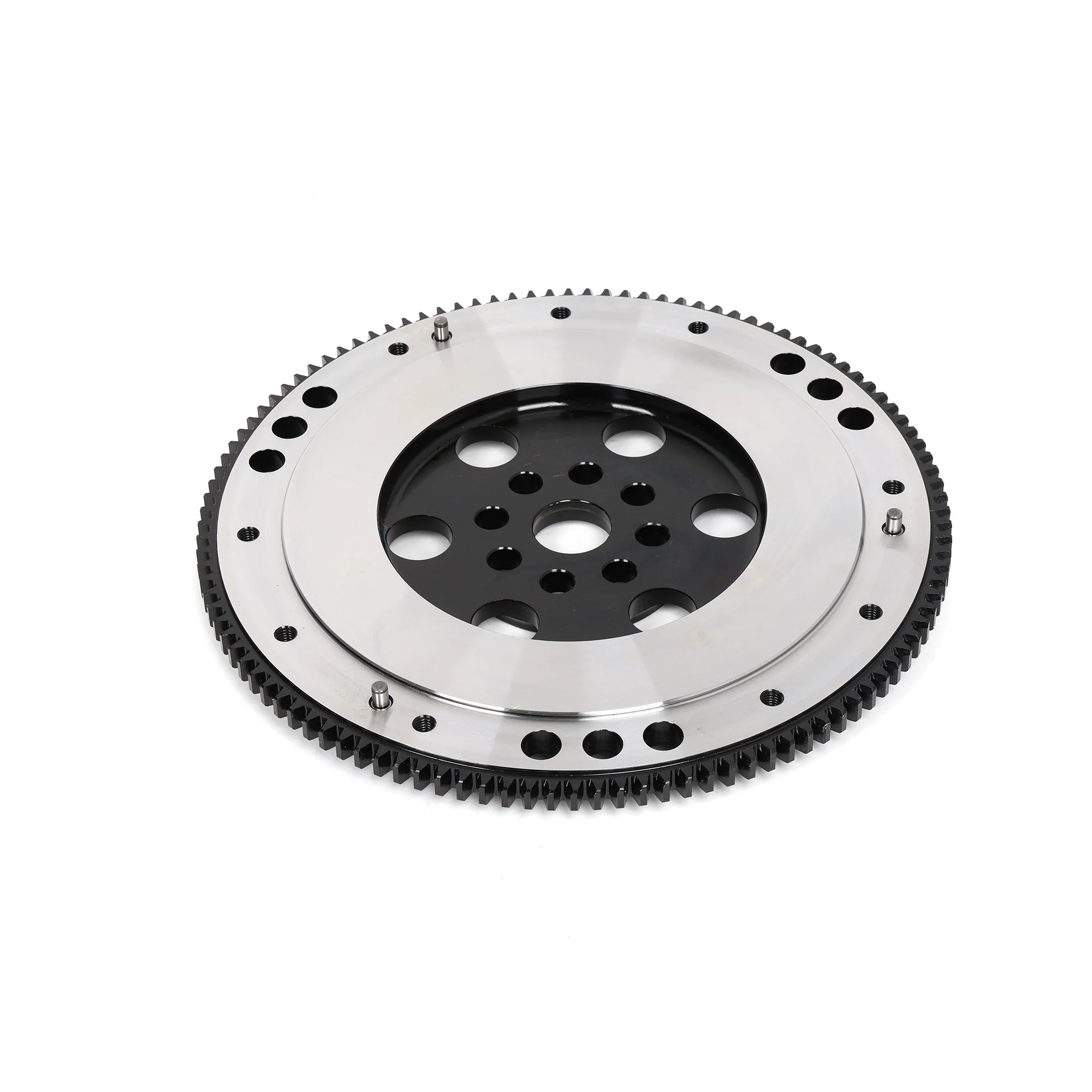
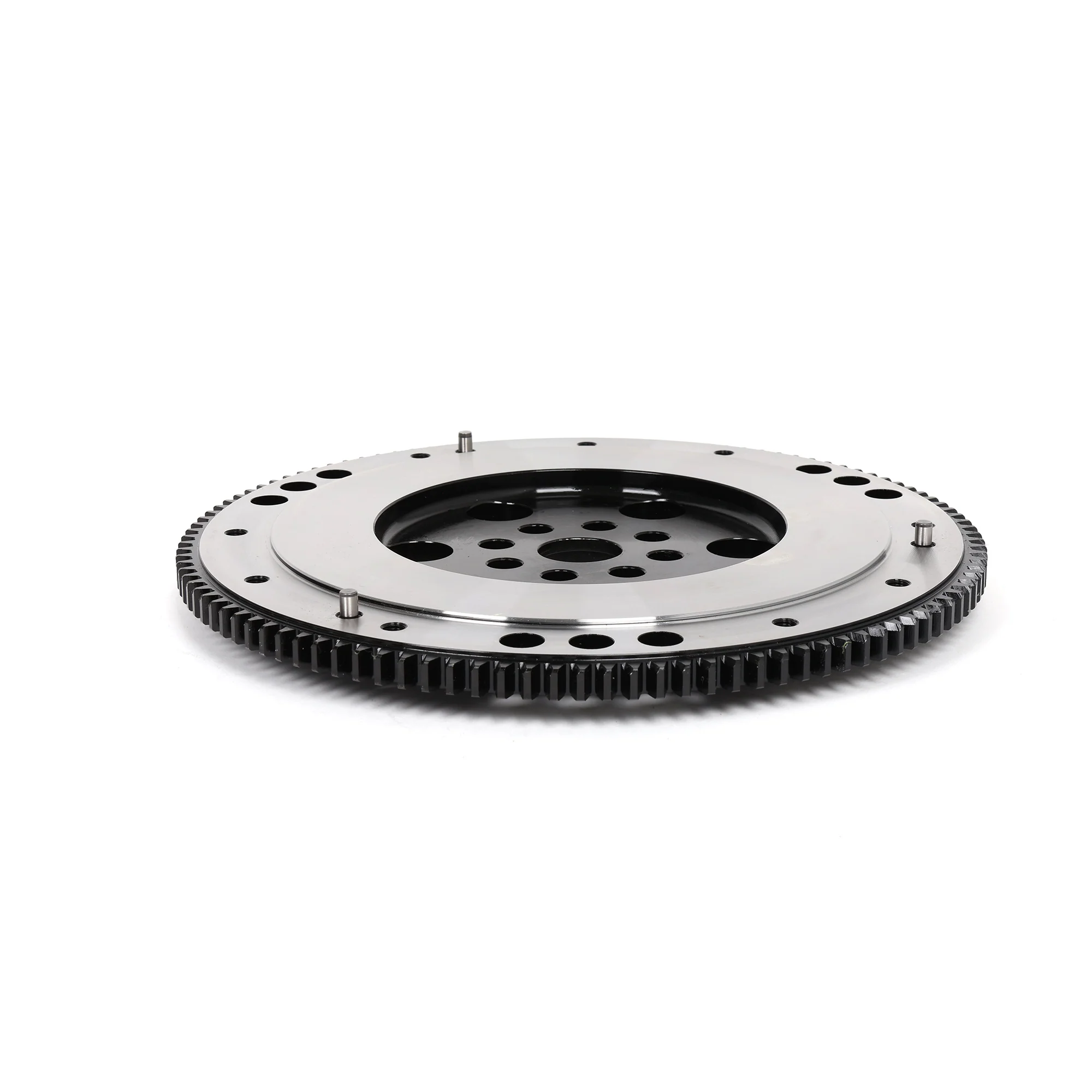
Competition Clutch Lightweight Flywheel for Honda Civic
- Crafted from durable 4140 forged steel.
- Weighs only 11.44 pounds.
- SFI certified for safety and performance.
- Versatile, fully resurfaced for longevity.
- Compatible with 1990-2005 Honda Civic and CRX.
- Description
- Vehicle Fitment
- Technical Data
- Install Guide
-
Competition Clutch Lightweight Steel Flywheel for D-Series Honda Civic, CRX & Del Sol
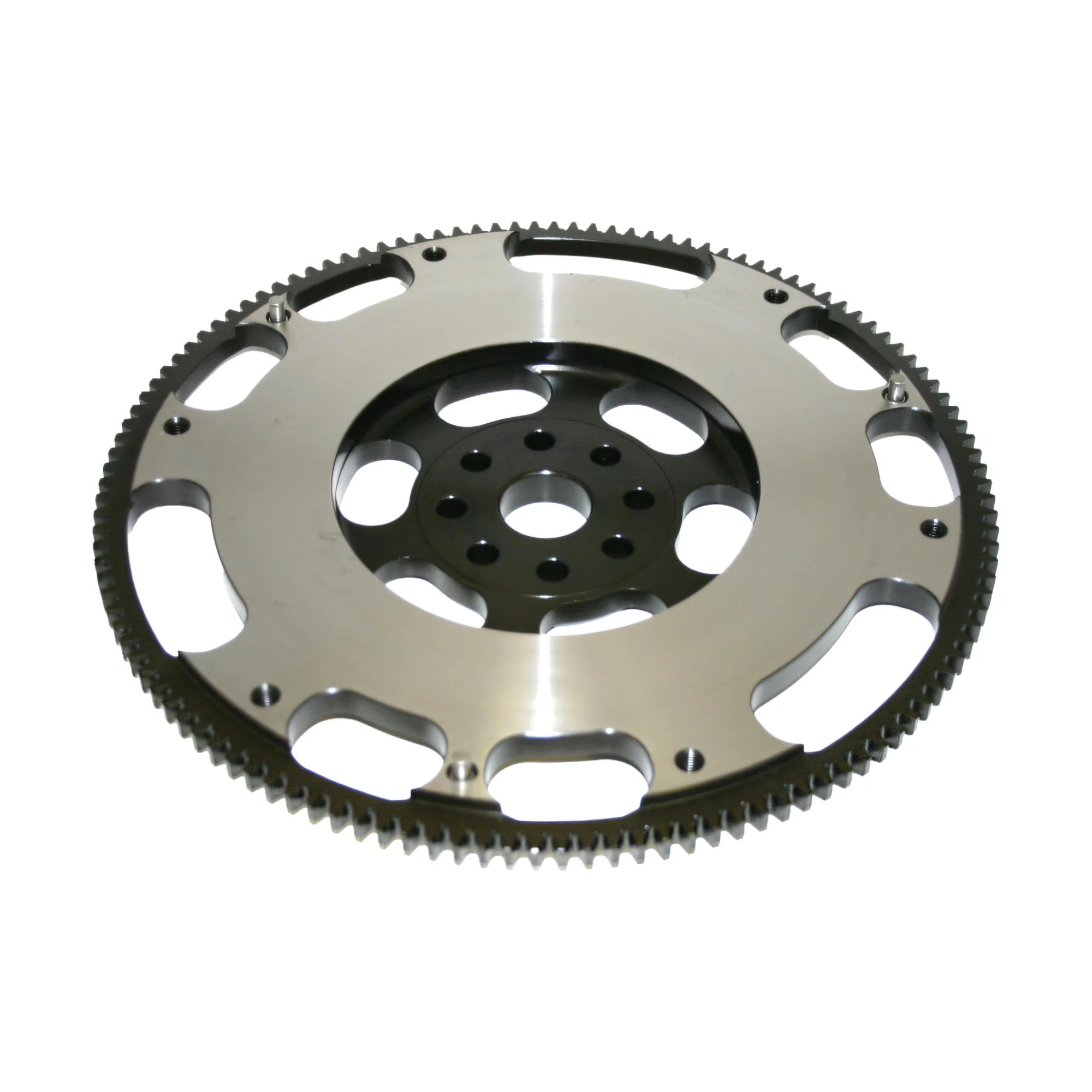
This is the street-friendly version of Competition Clutch's D-series flywheel, and for most Civic, CRX, and Del Sol owners, it's the right one. At 11.44 lbs, it drops roughly 6.5 lbs off the stock D-series flywheel (~18 lbs), which is a 36% reduction in rotating mass. You'll notice it immediately: the engine revs faster, drops quicker between shifts, and the whole car feels more responsive. But because CC kept the weight at 11.44 lbs instead of shaving it down further, you won't fight it in traffic or stall at every red light like you would with a 7-8 lb aluminum flywheel.
If you're building a turbo D-series or a dedicated track car, look at the Competition Clutch Ultra Lightweight (STU) flywheel instead. That one weighs 8.8 lbs and is built for forced induction and racing applications where you want maximum spool and minimum inertia. This page is for the ST version, which is built for street cars, naturally aspirated builds, and daily drivers who want a noticeable improvement without sacrificing livability.
What 11.44 lbs Actually Feels Like
The D-series community has been running lightweight flywheels for over two decades, and the consensus is clear: 11-12 lbs is the sweet spot for a daily-driven Civic. Here's what you can expect:
Faster revs, faster drops. With 36% less rotating mass, the engine spins up noticeably quicker when you hit the gas and comes down faster when you lift. You'll feel this most during rev-matching on downshifts and when blipping the throttle between gears. It makes the whole drivetrain feel sharper.
Slightly more attention at low RPM. Compared to the stock 18 lb flywheel, you have less inertia keeping the engine spinning at idle and low RPM. This means you need to be a little more deliberate with the clutch off the line, especially in first gear. It's not the "I'm going to stall this thing constantly" experience people have with 7-8 lb flywheels. It's more like the car reminds you it's not stock. After a day or two of driving, you won't think about it.
Better for autocross and road course. The reduced inertia helps the engine change speed faster, which is exactly what you want when you're constantly accelerating and braking through corners. You'll notice quicker transitions and better throttle response in the mid-range.
Not ideal for drag racing. This is worth being upfront about. Lighter flywheels hurt 60' times because you have less stored energy to launch from a stop. One D-series racer reported going from 1.99s to 2.12-2.16 60' times after dropping from 18 lbs to 12.5 lbs. If your car is a dedicated drag car, stick with the stock flywheel weight. If you're doing anything that involves corners, the lighter flywheel wins.
D-Series Flywheel Weight Comparison
Flywheel Weight Material Best For OEM D16Z6 / D15B7 / D16Y8 ~18 lbs Cast iron/steel Stock replacement, drag racing OEM VX / CX (lighter variant) ~15-17.5 lbs Cast iron/steel Budget option (if you can find one) ACT Streetlite (600120) ~12 lbs Forged steel Street, drag racing Competition Clutch ST (2-702-ST) 11.44 lbs 4140 forged steel Street, autocross, daily driving Competition Clutch STU (2-702-STU) 8.8 lbs 4140 forged steel Turbo builds, track, rally Fidanza aluminum ~7-8 lbs Aluminum (with steel friction insert) Dedicated race car, autocross The CC ST lands right between the ACT Streetlite and the CC STU. It's half a pound lighter than the ACT, which you won't feel in the seat, but both are in that 11-12 lb range that the D-series community has settled on as the best balance of response and drivability. The real choice here is between the ST and the STU: if you're naturally aspirated and driving on the street, the ST is the better flywheel. If you're turbo or track-only, look at the STU.
Construction
4140 forged steel, one-piece design. This matters more than it sounds. Cheaper flywheels use a two-piece design with a separate ring gear pressed onto the body. Over time (and especially under heat from aggressive clutch engagement), the ring gear can separate or shift. The one-piece forged design eliminates that risk entirely. The friction surface is also integral to the body, which means more consistent heat transfer and less chance of warpage under heavy use.
SFI 1.1 certified. If you're running a sanctioned event that requires SFI-rated drivetrain components, this flywheel meets the spec. Most street drivers won't need the certification, but it's a good indicator that the part has been tested to handle sustained high-RPM operation without failure.
Resurfaceable. Unlike aluminum flywheels that need a replacement steel insert when the friction surface wears, this is a solid steel flywheel that any machine shop can resurface. When you swap to a new clutch down the road, have the flywheel surface cut and reuse it. This flywheel should outlast multiple clutch changes.
Clutch Pairing
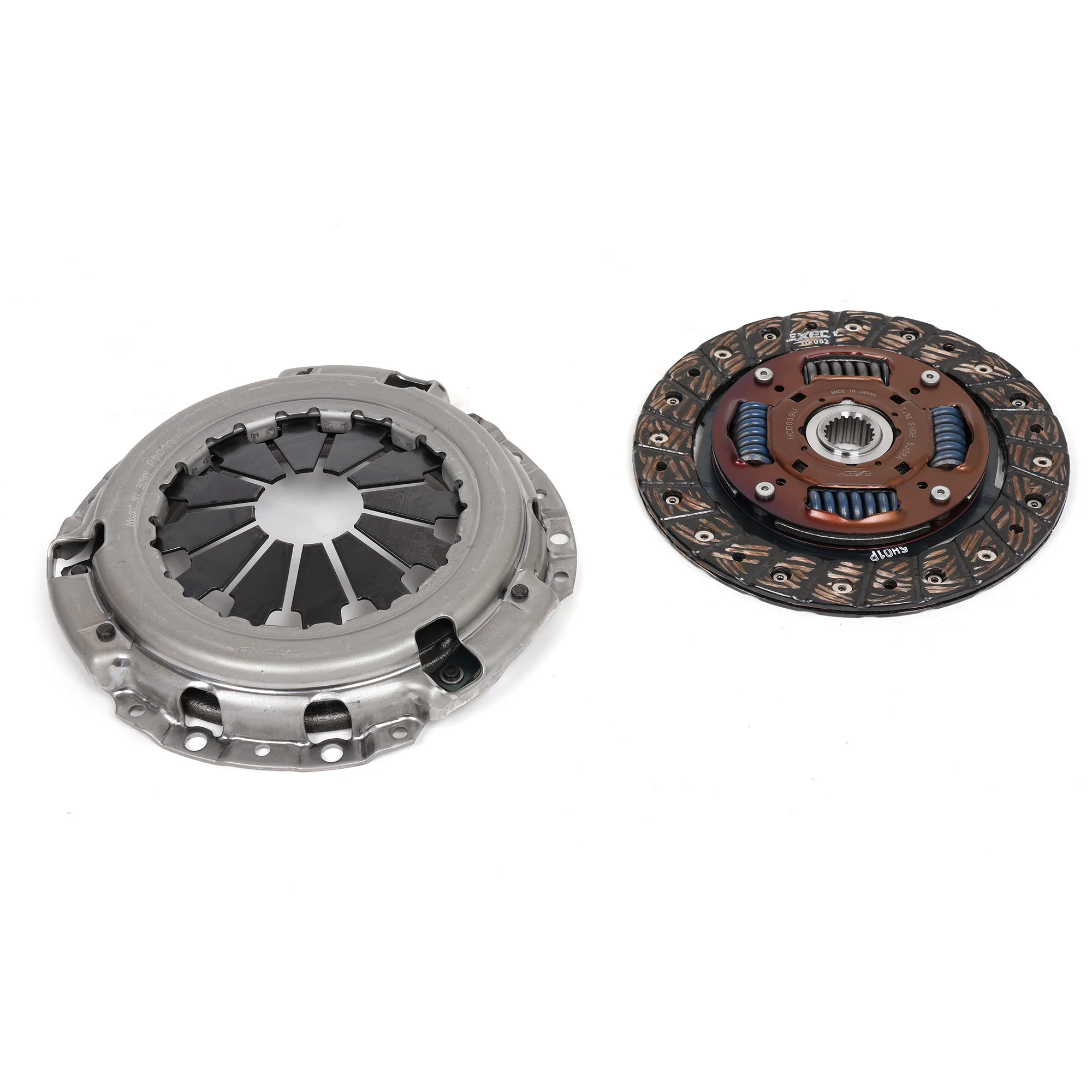
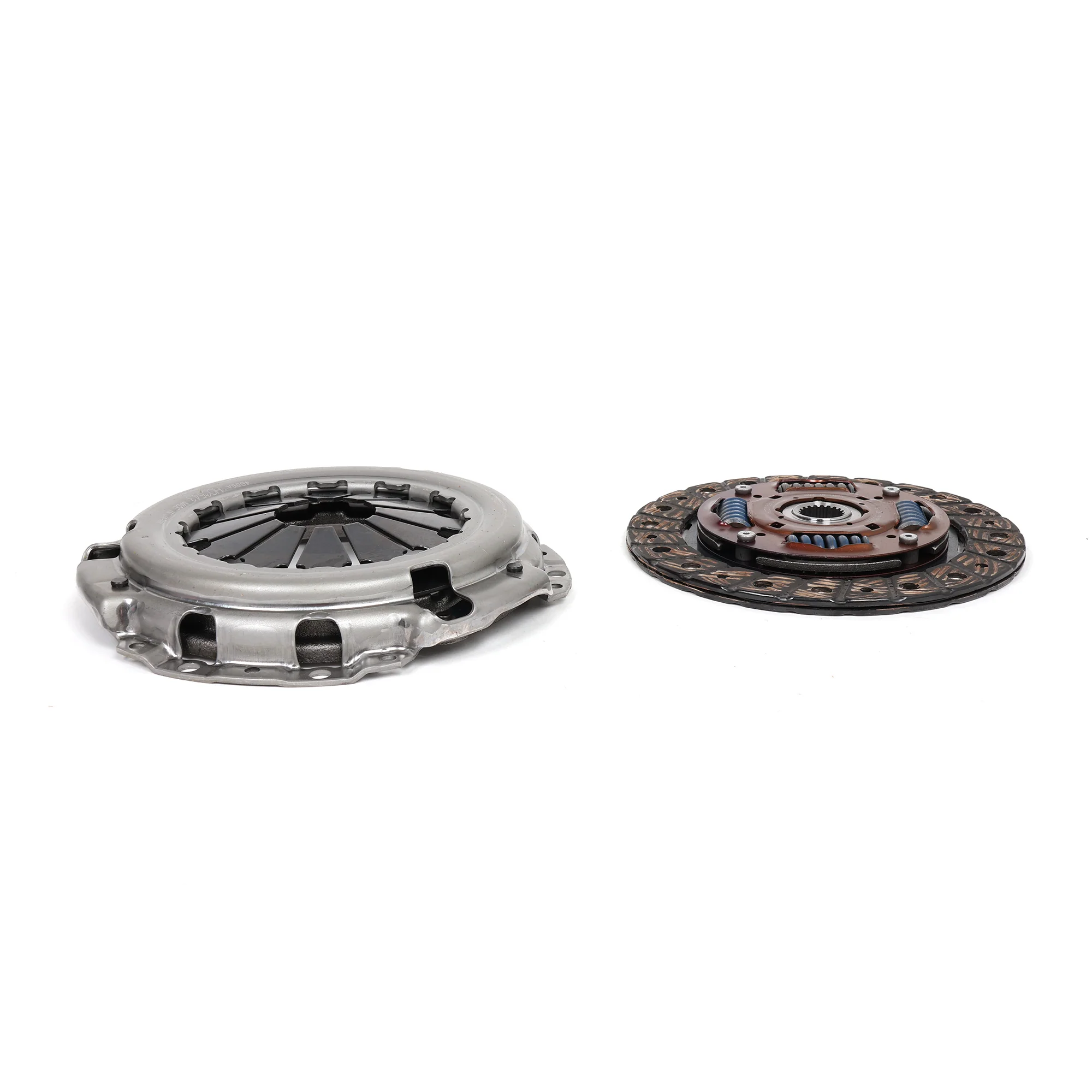
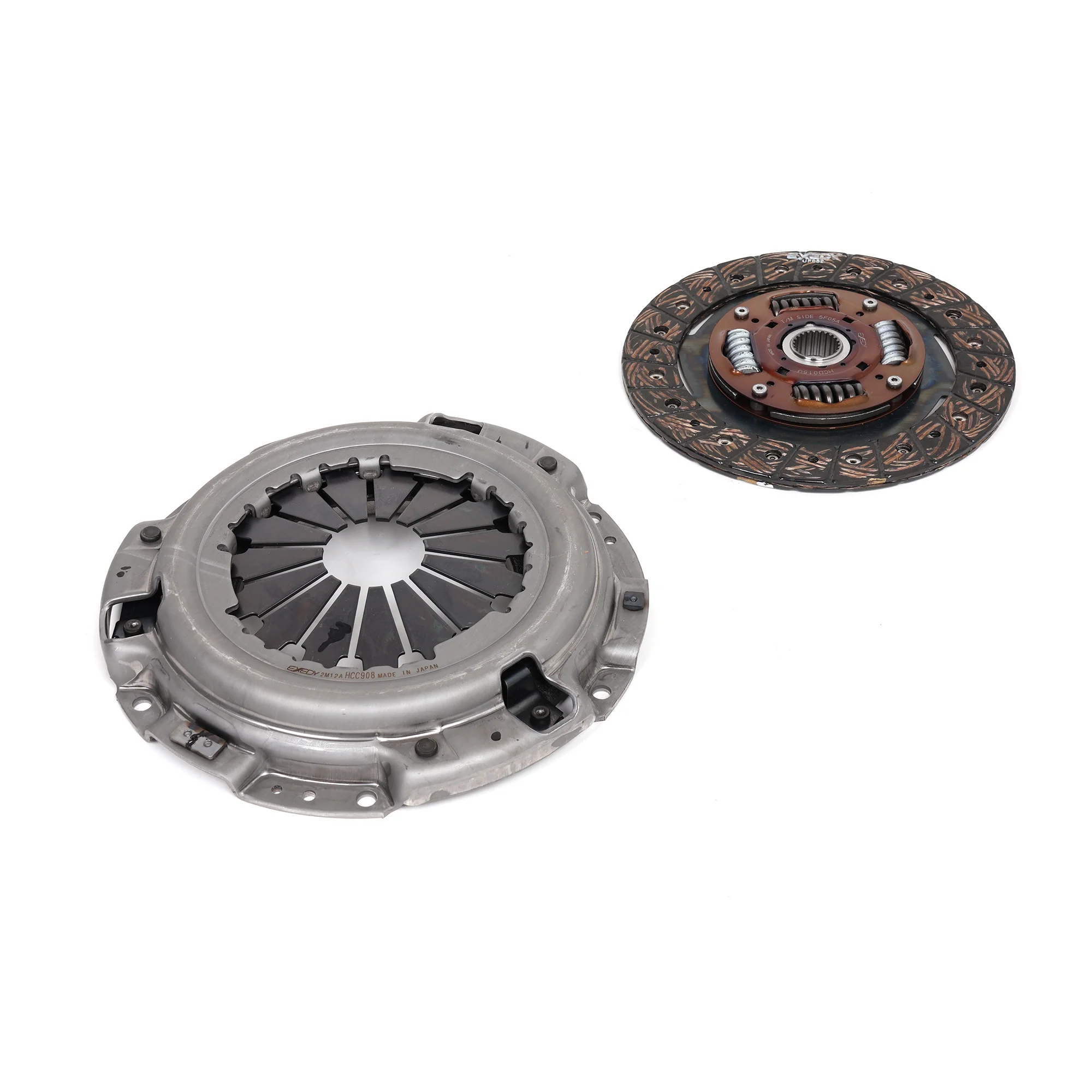
Competition Clutch recommends the ST flywheel for use with Gravity, Stage 1, and Stage 2 clutch kits. These are full-face disc clutches with smooth engagement that complement the moderate weight of the ST flywheel.
Can you run a Stage 3 or Stage 4 puck clutch with this flywheel? Yes, it's physically compatible with all Competition Clutch D-series clutch kits (and most other aftermarket D-series clutches). But if you're running a Stage 3 or higher, you're likely making enough power that the STU flywheel's faster spool characteristics are more useful, and you've already accepted the trade-offs that come with an aggressive clutch disc.
For a naturally aspirated D16 or D15 with a bolt-on build, the ST flywheel paired with a Competition Clutch Stage 1 or Stage 2 is an excellent combo. It sharpens up the driving experience without making the car a chore in traffic.
Vehicle Fitment
This flywheel fits all D-series SOHC engines (D15, D16, D17) across the following platforms:
Vehicle Years Chassis Code Engines Honda Civic (all trims) 1988-1991 EF D15B1, D15B2, D16A6 Honda CRX (all trims) 1988-1991 EF D15B2, D15B6, D16A6 Honda Civic (all trims) 1992-1995 EG D15B7, D15B8, D16Z6 Honda Civic del Sol 1993-1997 EG/EH D15B7, D16Z6, D16Y8 Honda Civic (all trims) 1996-2000 EK D16Y5, D16Y7, D16Y8 Honda Civic (DX, LX, EX, HX) 2001-2005 EM/ES D17A1, D17A2, D17A6 This flywheel does not fit B-series, K-series, H-series, or any DOHC engine. If you have a 2002-2005 Civic Si (K20A3) or an RSX, those use K-series flywheels. If you have a 1999-2000 Civic Si (B16A2), that uses a B-series flywheel. This is a D-series SOHC flywheel only.
Installation Notes
- Replace your clutch at the same time. You're already pulling the transmission to get to the flywheel. Install a new clutch disc, pressure plate, throw-out bearing, and pilot bearing while everything is apart. Doing the flywheel alone and reusing an old clutch is wasting labor.
- Torque the flywheel bolts to spec. D-series flywheel bolts should be torqued to 76 ft-lbs (per Honda FSM). Use new bolts if the originals show any signs of stretching. Some builders apply a small amount of threadlocker; check your clutch manufacturer's instructions.
- Inspect the rear main seal. Oil on the flywheel friction surface means a slipping clutch, regardless of how good the clutch is. If the rear main is seeping, replace it now.
- Break-in period. Drive gently for the first 300-500 miles. No hard launches, no high-RPM clutch drops. Let the clutch disc bed into the new flywheel surface.
- Note for 1988-1989 Civic/CRX owners: Some 88-89 models may require a 1990+ clutch kit for proper fitment with aftermarket flywheels. Verify your clutch disc spline count and diameter before ordering.
Specs
Hybrid Racing SKU: COC-2-702-ST
Competition Clutch Part Number: 2-702-ST
Weight: 11.44 lbs
Material: 4140 forged steel, one-piece construction
Certification: SFI 1.1
Resurfaceable: Yes
Clutch Compatibility: All D-series clutch assemblies (stock and aftermarket)
Recommended Clutch Stages: Gravity, Stage 1, Stage 2 (compatible with all stages)
Engine Compatibility: D15, D16, D17 SOHC
Flywheel Included: Yes (this is a flywheel, clutch kit sold separately)Who Should Buy This (And Who Shouldn't)
This flywheel is built for: Daily-driven Civics, CRXs, and Del Sols with D-series engines. Naturally aspirated builds with bolt-ons. Autocross and road course cars where throttle response matters more than launch consistency. Anyone who wants a noticeable improvement in how the car revs without making the car annoying to drive every day.
Look at the STU instead if: You're running a turbo D-series and want faster spool. You're building a dedicated track car. You're running a Stage 3 or higher clutch. You've driven a light flywheel before and know you can handle the reduced inertia at low RPM.
Keep the stock flywheel if: Your car is a dedicated drag car and 60' times matter. You don't want to change anything about how the car drives at low speed. You're replacing a clutch on a bone-stock commuter and just need it to work like it did from the factory.
-
1988-1991 Honda CRX
1996-2000 Honda Civic
1992-1995 Honda Civic
2001-2005 Honda Civic
2001-2005 Honda Civic EX
1988-1991 Honda Civic
1993-1997 Honda Civic del Sol
Original: $225.00
-65%$225.00
$78.75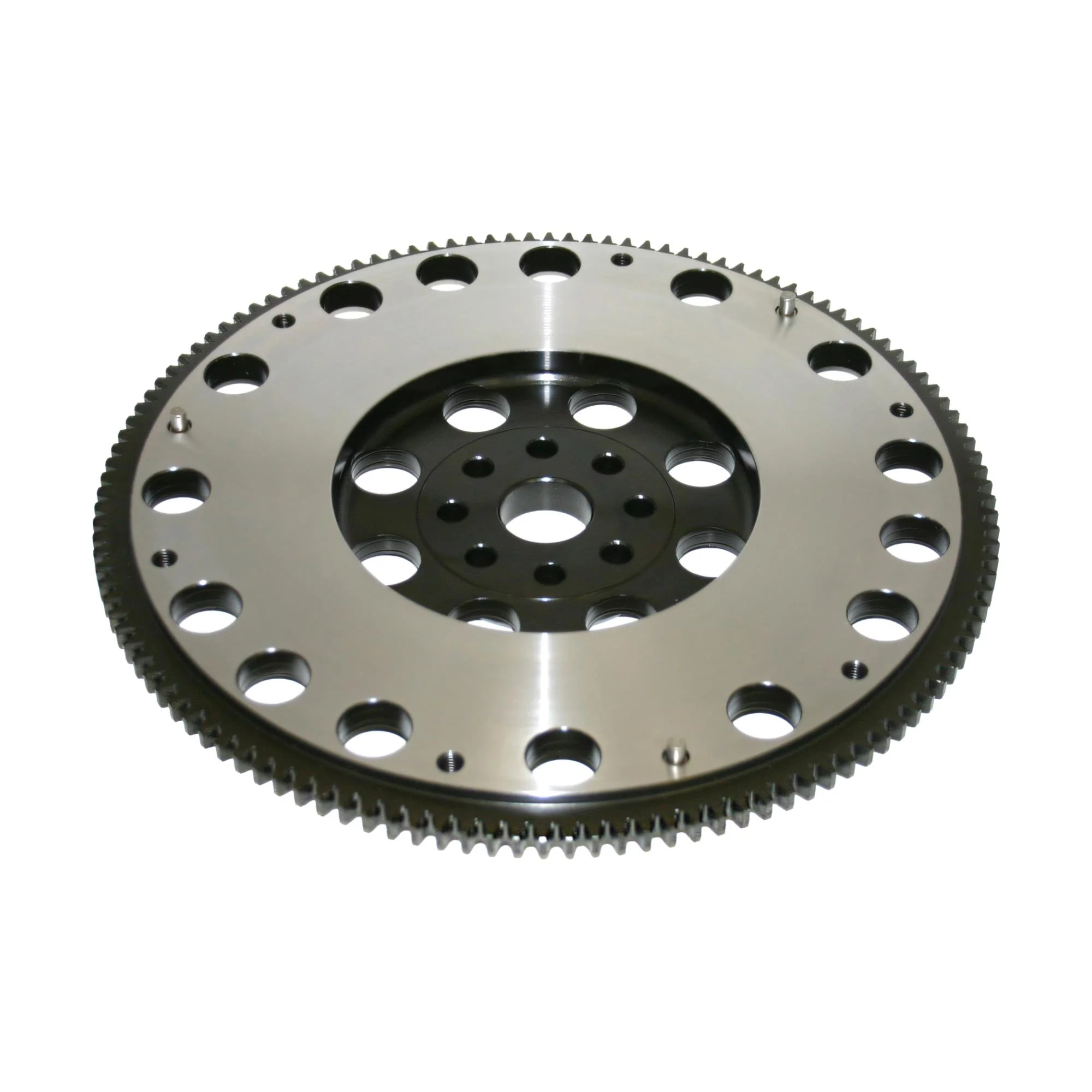
Description
- Crafted from durable 4140 forged steel.
- Weighs only 11.44 pounds.
- SFI certified for safety and performance.
- Versatile, fully resurfaced for longevity.
- Compatible with 1990-2005 Honda Civic and CRX.
- Description
- Vehicle Fitment
- Technical Data
- Install Guide
-
Competition Clutch Lightweight Steel Flywheel for D-Series Honda Civic, CRX & Del Sol
This is the street-friendly version of Competition Clutch's D-series flywheel, and for most Civic, CRX, and Del Sol owners, it's the right one. At 11.44 lbs, it drops roughly 6.5 lbs off the stock D-series flywheel (~18 lbs), which is a 36% reduction in rotating mass. You'll notice it immediately: the engine revs faster, drops quicker between shifts, and the whole car feels more responsive. But because CC kept the weight at 11.44 lbs instead of shaving it down further, you won't fight it in traffic or stall at every red light like you would with a 7-8 lb aluminum flywheel.
If you're building a turbo D-series or a dedicated track car, look at the Competition Clutch Ultra Lightweight (STU) flywheel instead. That one weighs 8.8 lbs and is built for forced induction and racing applications where you want maximum spool and minimum inertia. This page is for the ST version, which is built for street cars, naturally aspirated builds, and daily drivers who want a noticeable improvement without sacrificing livability.
What 11.44 lbs Actually Feels Like
The D-series community has been running lightweight flywheels for over two decades, and the consensus is clear: 11-12 lbs is the sweet spot for a daily-driven Civic. Here's what you can expect:
Faster revs, faster drops. With 36% less rotating mass, the engine spins up noticeably quicker when you hit the gas and comes down faster when you lift. You'll feel this most during rev-matching on downshifts and when blipping the throttle between gears. It makes the whole drivetrain feel sharper.
Slightly more attention at low RPM. Compared to the stock 18 lb flywheel, you have less inertia keeping the engine spinning at idle and low RPM. This means you need to be a little more deliberate with the clutch off the line, especially in first gear. It's not the "I'm going to stall this thing constantly" experience people have with 7-8 lb flywheels. It's more like the car reminds you it's not stock. After a day or two of driving, you won't think about it.
Better for autocross and road course. The reduced inertia helps the engine change speed faster, which is exactly what you want when you're constantly accelerating and braking through corners. You'll notice quicker transitions and better throttle response in the mid-range.
Not ideal for drag racing. This is worth being upfront about. Lighter flywheels hurt 60' times because you have less stored energy to launch from a stop. One D-series racer reported going from 1.99s to 2.12-2.16 60' times after dropping from 18 lbs to 12.5 lbs. If your car is a dedicated drag car, stick with the stock flywheel weight. If you're doing anything that involves corners, the lighter flywheel wins.
D-Series Flywheel Weight Comparison
Flywheel Weight Material Best For OEM D16Z6 / D15B7 / D16Y8 ~18 lbs Cast iron/steel Stock replacement, drag racing OEM VX / CX (lighter variant) ~15-17.5 lbs Cast iron/steel Budget option (if you can find one) ACT Streetlite (600120) ~12 lbs Forged steel Street, drag racing Competition Clutch ST (2-702-ST) 11.44 lbs 4140 forged steel Street, autocross, daily driving Competition Clutch STU (2-702-STU) 8.8 lbs 4140 forged steel Turbo builds, track, rally Fidanza aluminum ~7-8 lbs Aluminum (with steel friction insert) Dedicated race car, autocross The CC ST lands right between the ACT Streetlite and the CC STU. It's half a pound lighter than the ACT, which you won't feel in the seat, but both are in that 11-12 lb range that the D-series community has settled on as the best balance of response and drivability. The real choice here is between the ST and the STU: if you're naturally aspirated and driving on the street, the ST is the better flywheel. If you're turbo or track-only, look at the STU.
Construction
4140 forged steel, one-piece design. This matters more than it sounds. Cheaper flywheels use a two-piece design with a separate ring gear pressed onto the body. Over time (and especially under heat from aggressive clutch engagement), the ring gear can separate or shift. The one-piece forged design eliminates that risk entirely. The friction surface is also integral to the body, which means more consistent heat transfer and less chance of warpage under heavy use.
SFI 1.1 certified. If you're running a sanctioned event that requires SFI-rated drivetrain components, this flywheel meets the spec. Most street drivers won't need the certification, but it's a good indicator that the part has been tested to handle sustained high-RPM operation without failure.
Resurfaceable. Unlike aluminum flywheels that need a replacement steel insert when the friction surface wears, this is a solid steel flywheel that any machine shop can resurface. When you swap to a new clutch down the road, have the flywheel surface cut and reuse it. This flywheel should outlast multiple clutch changes.
Clutch Pairing
Competition Clutch recommends the ST flywheel for use with Gravity, Stage 1, and Stage 2 clutch kits. These are full-face disc clutches with smooth engagement that complement the moderate weight of the ST flywheel.
Can you run a Stage 3 or Stage 4 puck clutch with this flywheel? Yes, it's physically compatible with all Competition Clutch D-series clutch kits (and most other aftermarket D-series clutches). But if you're running a Stage 3 or higher, you're likely making enough power that the STU flywheel's faster spool characteristics are more useful, and you've already accepted the trade-offs that come with an aggressive clutch disc.
For a naturally aspirated D16 or D15 with a bolt-on build, the ST flywheel paired with a Competition Clutch Stage 1 or Stage 2 is an excellent combo. It sharpens up the driving experience without making the car a chore in traffic.
Vehicle Fitment
This flywheel fits all D-series SOHC engines (D15, D16, D17) across the following platforms:
Vehicle Years Chassis Code Engines Honda Civic (all trims) 1988-1991 EF D15B1, D15B2, D16A6 Honda CRX (all trims) 1988-1991 EF D15B2, D15B6, D16A6 Honda Civic (all trims) 1992-1995 EG D15B7, D15B8, D16Z6 Honda Civic del Sol 1993-1997 EG/EH D15B7, D16Z6, D16Y8 Honda Civic (all trims) 1996-2000 EK D16Y5, D16Y7, D16Y8 Honda Civic (DX, LX, EX, HX) 2001-2005 EM/ES D17A1, D17A2, D17A6 This flywheel does not fit B-series, K-series, H-series, or any DOHC engine. If you have a 2002-2005 Civic Si (K20A3) or an RSX, those use K-series flywheels. If you have a 1999-2000 Civic Si (B16A2), that uses a B-series flywheel. This is a D-series SOHC flywheel only.
Installation Notes
- Replace your clutch at the same time. You're already pulling the transmission to get to the flywheel. Install a new clutch disc, pressure plate, throw-out bearing, and pilot bearing while everything is apart. Doing the flywheel alone and reusing an old clutch is wasting labor.
- Torque the flywheel bolts to spec. D-series flywheel bolts should be torqued to 76 ft-lbs (per Honda FSM). Use new bolts if the originals show any signs of stretching. Some builders apply a small amount of threadlocker; check your clutch manufacturer's instructions.
- Inspect the rear main seal. Oil on the flywheel friction surface means a slipping clutch, regardless of how good the clutch is. If the rear main is seeping, replace it now.
- Break-in period. Drive gently for the first 300-500 miles. No hard launches, no high-RPM clutch drops. Let the clutch disc bed into the new flywheel surface.
- Note for 1988-1989 Civic/CRX owners: Some 88-89 models may require a 1990+ clutch kit for proper fitment with aftermarket flywheels. Verify your clutch disc spline count and diameter before ordering.
Specs
Hybrid Racing SKU: COC-2-702-ST
Competition Clutch Part Number: 2-702-ST
Weight: 11.44 lbs
Material: 4140 forged steel, one-piece construction
Certification: SFI 1.1
Resurfaceable: Yes
Clutch Compatibility: All D-series clutch assemblies (stock and aftermarket)
Recommended Clutch Stages: Gravity, Stage 1, Stage 2 (compatible with all stages)
Engine Compatibility: D15, D16, D17 SOHC
Flywheel Included: Yes (this is a flywheel, clutch kit sold separately)Who Should Buy This (And Who Shouldn't)
This flywheel is built for: Daily-driven Civics, CRXs, and Del Sols with D-series engines. Naturally aspirated builds with bolt-ons. Autocross and road course cars where throttle response matters more than launch consistency. Anyone who wants a noticeable improvement in how the car revs without making the car annoying to drive every day.
Look at the STU instead if: You're running a turbo D-series and want faster spool. You're building a dedicated track car. You're running a Stage 3 or higher clutch. You've driven a light flywheel before and know you can handle the reduced inertia at low RPM.
Keep the stock flywheel if: Your car is a dedicated drag car and 60' times matter. You don't want to change anything about how the car drives at low speed. You're replacing a clutch on a bone-stock commuter and just need it to work like it did from the factory.
-
1988-1991 Honda CRX
1996-2000 Honda Civic
1992-1995 Honda Civic
2001-2005 Honda Civic
2001-2005 Honda Civic EX
1988-1991 Honda Civic
1993-1997 Honda Civic del Sol